Craving your favorite Chinese takeout? This homemade Chow Mein Recipe is your answer. Forget the delivery fees and mystery ingredients; in less than 30 minutes, you can whip up a fresh, flavorful, and incredibly satisfying noodle dish that rivals any restaurant. This recipe is all about combining savory sauce, crisp-tender vegetables, and perfectly cooked noodles for a meal the whole family will love. We’re breaking down everything you need to know to make the perfect chow mein right in your own kitchen.
This easy Chow Mein Recipe is incredibly versatile. Whether you’re using chicken, beef, shrimp, or keeping it vegetarian, the method is simple and the results are consistently delicious. Get ready to make this your new go-to weeknight dinner.
What is Chow Mein?
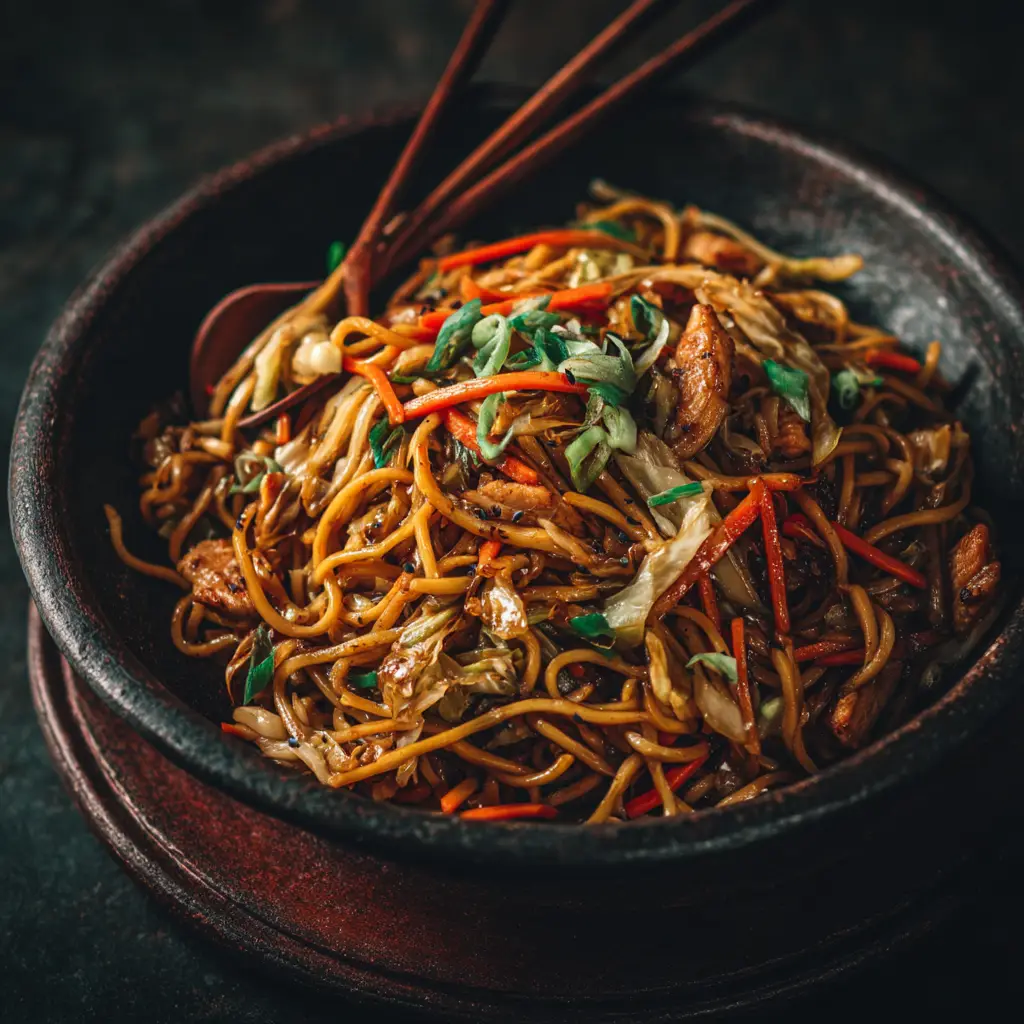
Chow Mein, which translates to “stir-fried noodles,” is a classic Chinese dish made from noodles, vegetables, a protein like chicken or shrimp, and a savory sauce. Unlike its cousin, Lo Mein, where boiled noodles are tossed with sauce, traditional Chow Mein involves frying the noodles to achieve a delightfully crispy texture. This recipe gives you that perfect balance of soft and crispy noodles coated in an irresistible sauce.
Key Ingredients for The Best Chow Mein
The magic of this dish lies in its simple yet powerful combination of ingredients. Here’s what you’ll need to create that authentic takeout flavor at home.
For the Stir-Fry:
- Chow Mein Noodles: Look for steamed chow mein noodles or thin egg noodles. If you can’t find them, you can use spaghetti or ramen noodles (without the seasoning packet) in a pinch.
- Protein: Thinly sliced chicken breast is a classic choice, but feel free to substitute with beef, shrimp, or tofu. For a delicious shrimp alternative, check out this Honey Garlic Shrimp Recipe.
- Vegetables: A mix of shredded cabbage, julienned carrots, sliced celery, and bean sprouts provides the perfect crunch and flavor.
- Aromatics: Fresh garlic and ginger are non-negotiable for that authentic, aromatic base.
For the Perfect Chow Mein Sauce:
- Soy Sauce: The savory, umami backbone of the sauce. Use a low-sodium version to better control the saltiness.
- Oyster Sauce: Adds a deep, savory, and slightly sweet flavor that is essential for a true chow mein sauce.
- Sesame Oil: Toasted sesame oil provides a rich, nutty aroma and taste. A little goes a long way!
- Cornstarch: This is the secret to a sauce that perfectly coats every noodle and ingredient without being watery.
- Sugar: Just a touch of sugar balances the salty and savory flavors.
How to Make This Chow Mein Recipe
Making restaurant-quality chow mein is easier than you think. Follow these simple steps for noodle perfection. We’ll start by preparing the components and then bring it all together in a quick stir-fry.
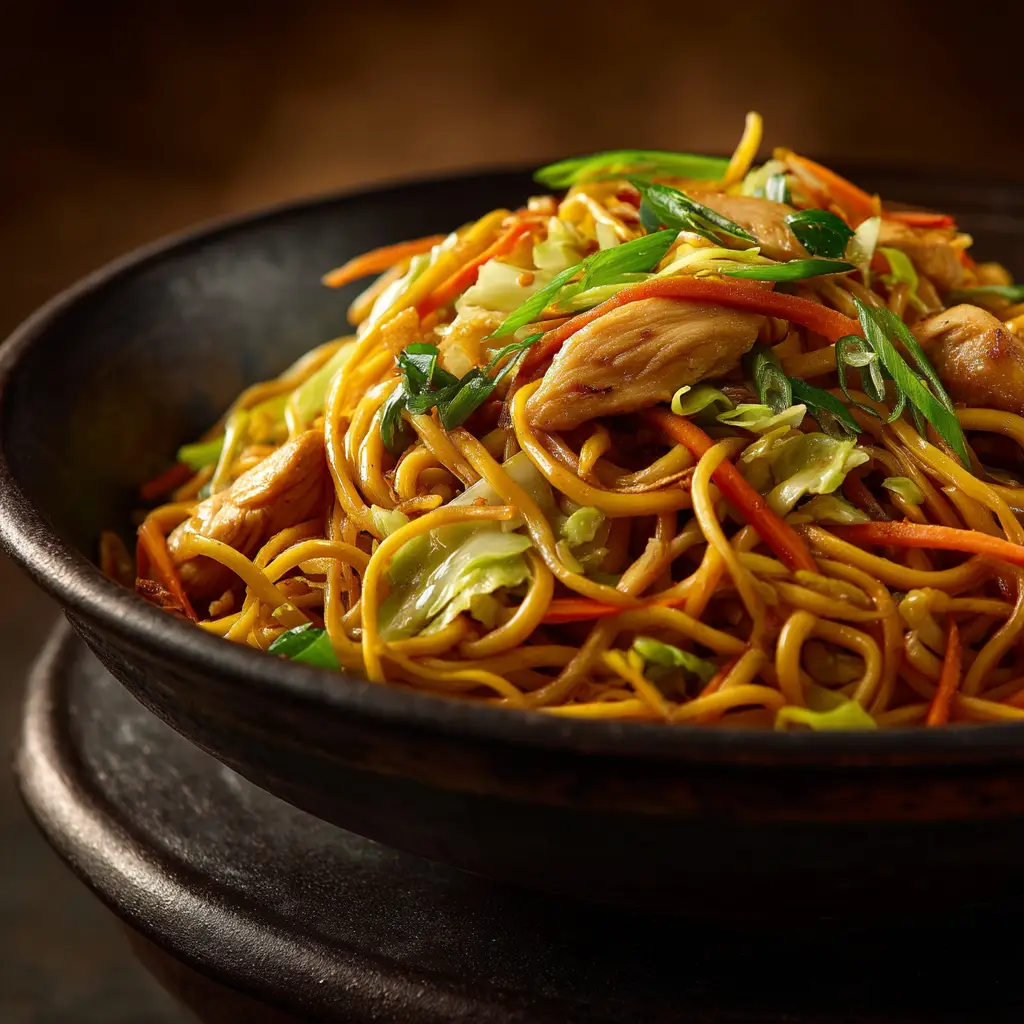
Step 1: Prepare the Noodles
Cook the chow mein noodles according to the package directions, typically boiling for just a few minutes. They should be al dente (still have a slight bite). Immediately drain them and rinse with cold water to stop the cooking process. Toss with a teaspoon of sesame oil to prevent sticking.
Step 2: Make the Chow Mein Sauce
In a small bowl, whisk together the soy sauce, oyster sauce, sesame oil, sugar, and cornstarch. Whisk until the cornstarch and sugar are fully dissolved. Set this aside for later.
Step 3: Cook the Protein and Vegetables
Heat a large skillet or wok over high heat with a tablespoon of vegetable oil. Add the sliced chicken and cook until it’s golden brown and cooked through. Remove the chicken from the wok and set it aside. Add a bit more oil and stir-fry the celery and carrots for 2-3 minutes until they begin to soften. Add the garlic and ginger and cook for another 30 seconds until fragrant. Finally, add the cabbage and cook for another 1-2 minutes until it wilts slightly.
Step 4: Combine and Stir-Fry
Add the cooked noodles and chicken back to the wok with the vegetables. Pour the prepared sauce over everything. Using tongs, toss everything together continuously for 2-3 minutes, ensuring the noodles and other ingredients are well-coated in the sauce. The sauce will thicken as it heats. Stir in the bean sprouts during the last minute of cooking to keep them crisp.
Recipe Variations and Substitutions
One of the best things about this Chow Mein Recipe is its flexibility. You can easily customize it based on your preferences or what you have on hand.
- Beef Chow Mein: Use thinly sliced flank steak instead of chicken.
- Shrimp Chow Mein: Add raw shrimp during the last few minutes of cooking the vegetables, and cook just until they turn pink.
- Vegetable Chow Mein: Omit the protein and double up on the vegetables. Sliced mushrooms, bell peppers, and snap peas are all fantastic additions. For more veggie inspiration, see how we prepare our Healthy Sauteed Vegetables.
- Spicy Chow Mein: Add a teaspoon of sriracha or a pinch of red pepper flakes to the sauce for a kick of heat.
If you enjoy Asian-inspired bowls, you might also love our popular Bang Bang Fried Rice.
Tips for Success
- Don’t Overcook the Noodles: The initial boil is just to soften them. They will cook further in the wok, so pulling them when they’re al dente is key to avoiding mushy results.
- High Heat is Crucial: A hot wok or skillet is essential for getting that signature “wok hei” flavor and ensuring the vegetables stay crisp-tender.
- Prep Everything in Advance: Stir-frying is a fast process. Have all your vegetables chopped, your protein sliced, and your sauce mixed before you even turn on the stove.
FAQs About This Chow Mein Recipe
Absolutely! To make a vegetarian version, simply omit the chicken and add more vegetables like mushrooms, bell peppers, snow peas, or bok choy. You can also add firm tofu or edamame for extra protein. Be sure to use a vegetarian oyster sauce substitute.
For extra crispy noodles, ensure they are very dry after boiling. You can pan-fry the cooked noodles in a thin layer of hot oil for 2-3 minutes per side until golden brown and crispy before adding them to the final stir-fry with the vegetables and sauce.
Store any leftover chow mein in an airtight container in the refrigerator for up to 3 days. To reheat, you can microwave it in 30-second intervals or, for best results, stir-fry it in a hot skillet with a tiny bit of oil until heated through.
The main difference is how the noodles are prepared. In Chow Mein, the noodles are stir-fried until they are slightly crispy. In Lo Mein, the boiled noodles are simply tossed with the sauce and other ingredients, resulting in a softer texture.
The best noodles are fresh or dried Chinese egg noodles specifically labeled for chow mein or stir-frying. They are thin and cook up with a nice chewy texture. In a pinch, you can also use ramen noodles (without the seasoning) or even spaghetti.
Enjoy Your Homemade Chow Mein!
You’ve just created a delicious, better-than-takeout Chow Mein Recipe that is sure to impress. This dish is perfect for a quick weeknight dinner or a fun weekend meal. We hope you love it as much as we do! If you make this recipe, don’t forget to share your creation and tag us. For more amazing recipes, be sure to follow us on Pinterest!
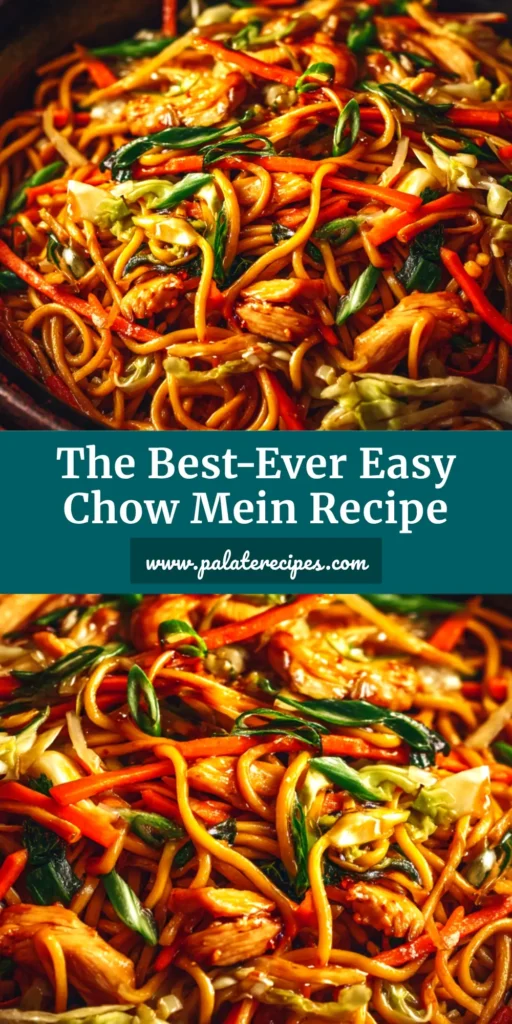
Chow Mein Recipe
Chow Mein Recipe (Better Than Takeout)
Ingredients
Equipment
Method
- Cook noodles according to package directions until al dente. Drain, rinse with cold water, and toss with a teaspoon of sesame oil to prevent sticking.
- In a small bowl, whisk together soy sauce, oyster sauce, 1 tbsp toasted sesame oil, sugar, and cornstarch until smooth. Set aside.
- Heat 1 tbsp of vegetable oil in a large wok or skillet over high heat. Add the sliced chicken and cook until golden and cooked through. Remove from wok.
- Add the remaining 1 tbsp of oil to the wok. Add the celery and carrots and stir-fry for 2-3 minutes. Add garlic and ginger and cook for 30 seconds until fragrant. Add the cabbage and stir-fry for 1-2 minutes until it begins to wilt.
- Return the cooked chicken and noodles to the wok. Pour the sauce over everything and toss to combine. Cook for 2-3 minutes, tossing constantly, until the sauce has thickened and coated everything. Stir in the bean sprouts for the final 30 seconds. Serve immediately.
Notes
Storage: Store leftovers in an airtight container in the refrigerator for up to 3 days.
Noodle Tip: For crispier noodles, pan-fry the boiled noodles in a little oil for a few minutes on each side before adding them to the stir-fry.