Welcome to the ultimate guide to creating the most luscious, creamy, and deeply satisfying Fettuccine Alfredo you’ve ever tasted. Forget the jarred stuff; this recipe unlocks the secret to a restaurant-quality sauce with just a few simple, high-quality ingredients. If you’ve been searching for that perfect, cling-to-the-pasta, authentic Alfredo sauce, your journey ends here. This is more than just a recipe; it’s a technique that guarantees velvety perfection every single time.
We’re diving deep into the essentials of making a classic Fettuccine Alfredo that’s rich, flavorful, and incredibly easy to master. Get ready to impress your family and friends.
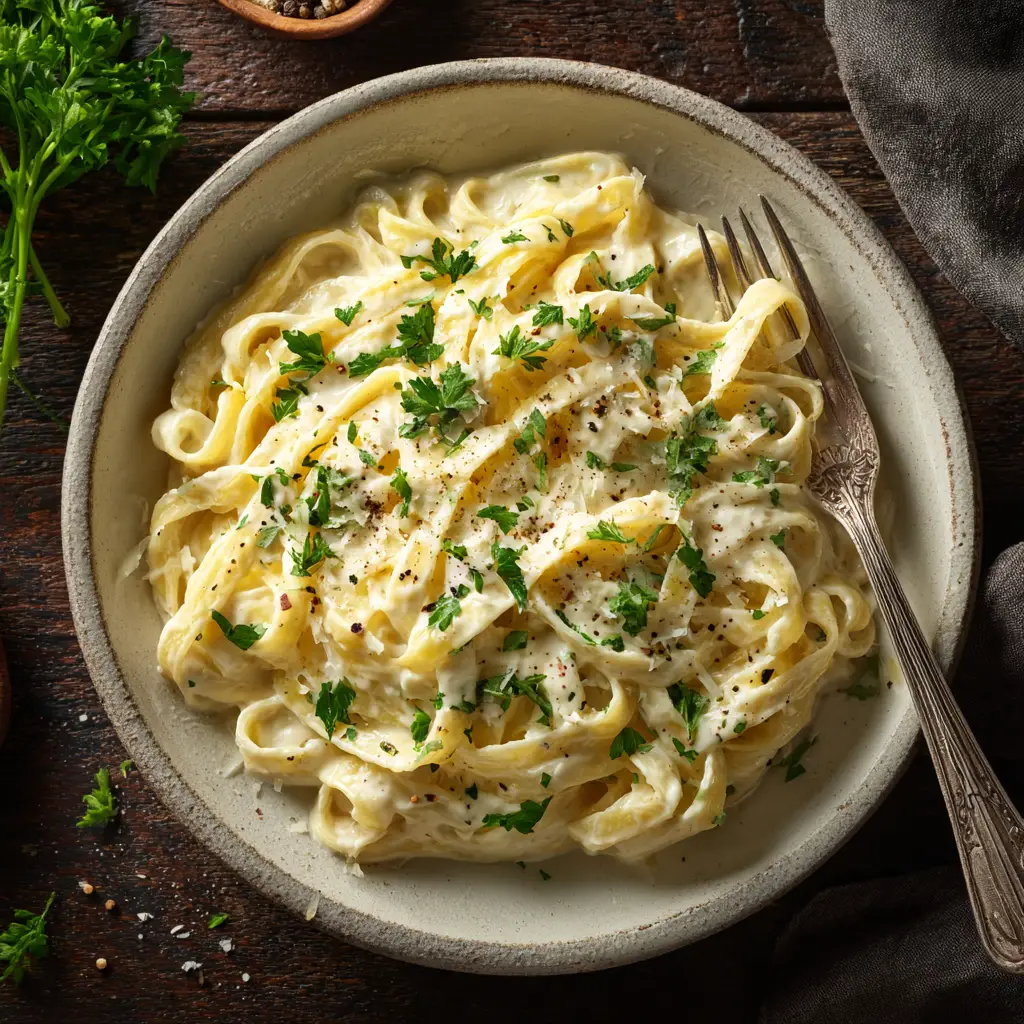
Why This is the Only Fettuccine Alfredo Recipe You’ll Ever Need
What sets this recipe apart is its commitment to simplicity and quality. Many recipes overcomplicate things with unnecessary thickeners like flour or cream cheese. We’re sticking to the classic elements that make Alfredo truly special. The magic lies in the emulsion of butter, high-quality Parmesan cheese, and heavy cream, creating a sauce that’s naturally thick and luxuriously smooth.
This guide doesn’t just give you steps; it gives you the ‘why’ behind them. You’ll learn how to prevent a grainy sauce, choose the best cheese, and achieve that perfect consistency that beautifully coats every strand of fettuccine. For another classic Italian-inspired dish, try this Creamy Alfredo Lasagna Soup.
The Key to Creamy Perfection: Ingredients
The beauty of an authentic Fettuccine Alfredo lies in its short ingredient list. Because there are so few components, using the highest quality you can find is paramount to the final taste and texture.
The Pasta: Fettuccine
Fettuccine, with its wide, flat shape, is the traditional choice for a reason. These ribbons are the perfect vehicle for catching and holding onto the rich, creamy sauce. While you can substitute other pastas, fettuccine provides the classic experience.
The Sauce Trinity: Butter, Cream, and Parmesan
This is where the magic happens. Use unsalted European-style butter if possible, as it has a higher fat content and richer flavor. Heavy cream is essential for the velvety texture; do not substitute with milk or half-and-half. The most critical component is the cheese. Use a wedge of genuine Parmigiano-Reggiano and grate it yourself. Pre-shredded cheeses contain anti-caking agents that prevent them from melting smoothly, which is the number one cause of a gritty sauce.
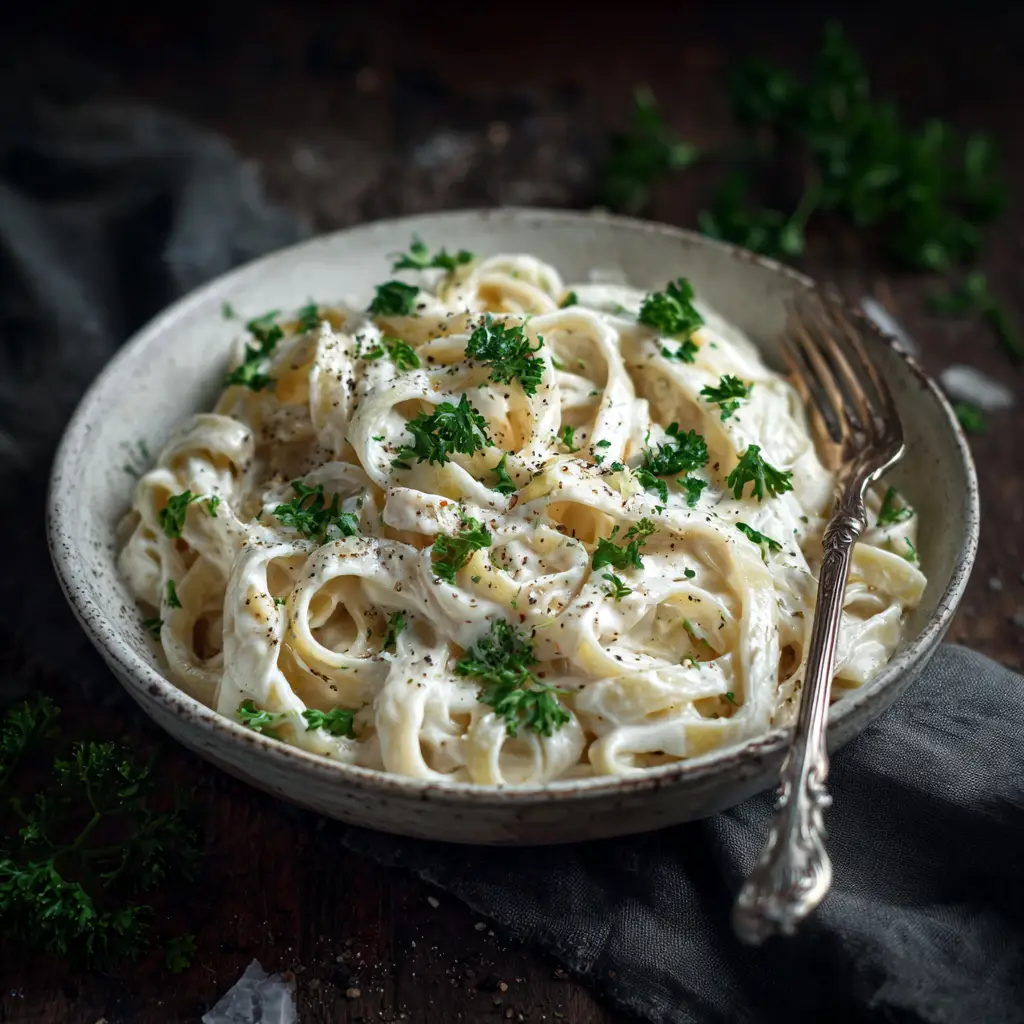
How to Make Fettuccine Alfredo: A Step-by-Step Guide
Making homemade Alfredo sauce is surprisingly fast. The key is to have all your ingredients prepped and ready to go before you start, as the process moves quickly. Follow these steps for a flawless result.
- Cook the Pasta: Bring a large pot of salted water to a rolling boil. Add the fettuccine and cook according to package directions until al dente. Just before draining, reserve about 2 cups of the starchy pasta water. This is liquid gold for adjusting your sauce’s consistency.
- Start the Sauce: While the pasta cooks, melt the butter in a large skillet or saucepan over medium heat. Add minced garlic and cook for about 30 seconds until fragrant, being careful not to let it brown.
- Add the Cream: Pour in the heavy cream and bring the mixture to a gentle simmer. Let it cook for 2-3 minutes, stirring occasionally, until it has slightly thickened.
- Emulsify with Cheese: Reduce the heat to low. Gradually add the freshly grated Parmigiano-Reggiano to the cream mixture, whisking constantly until the cheese is completely melted and the sauce is smooth. This gradual addition and low heat are crucial for preventing the sauce from breaking or becoming grainy.
- Combine and Finish: Drain the cooked fettuccine and add it directly to the skillet with the sauce. Use tongs to toss the pasta thoroughly, ensuring every strand is coated. If the sauce is too thick, add a splash of the reserved pasta water until it reaches your desired consistency. Season generously with salt and fresh black pepper to taste. Serve immediately, garnished with more Parmesan and fresh parsley.
Pro Tips for a Flawless Alfredo Sauce
Keep these tips in mind to elevate your homemade Fettuccine Alfredo from good to unforgettable.
- Grate Your Own Cheese: This is the most important rule. The starches and powders on pre-shredded cheese will result in a grainy sauce.
- Don’t Overheat the Sauce: Never let the sauce boil after adding the cheese. High heat can cause the cheese to separate and become oily.
- Use Starchy Pasta Water: The starch in the pasta water helps the sauce emulsify and cling to the pasta, creating a silkier texture.
- Work Quickly: Alfredo sauce thickens as it cools. It’s meant to be made and served immediately for the best experience.
Delicious Fettuccine Alfredo Variations
While the classic version is divine on its own, Fettuccine Alfredo is a fantastic base for additions. For a spicy kick, consider trying a Cajun Chicken Alfredo. Or, for a seafood twist, this Shrimp and Broccoli Alfredo is a wonderful option.
Common Add-ins:
- Grilled Chicken: Add sliced grilled chicken for a classic Chicken Alfredo.
- Sautéed Shrimp: A handful of garlic-sautéed shrimp turns this into a luxurious seafood pasta.
- Steamed Broccoli: Add steamed broccoli florets for a touch of freshness and color.
- Sautéed Mushrooms: Earthy mushrooms complement the rich sauce beautifully.
Storing and Reheating Leftovers
Alfredo sauce is best enjoyed fresh. The creamy emulsion can break when reheated. However, if you have leftovers, store them in an airtight container in the refrigerator for up to 2 days. To reheat, place the pasta in a skillet over low heat. Add a splash of milk or cream and stir gently until warmed through. Avoid the microwave, as it tends to make the sauce oily.
Frequently Asked Questions About Fettuccine Alfredo
While heavy cream is essential for the classic rich texture, you can make substitutions, though the result will be different. A mix of milk and butter, or evaporated milk, can work in a pinch, but the sauce won’t be as thick or creamy.
An authentic Alfredo sauce is thickened by the emulsification of butter, cream, and cheese, along with starchy pasta water. If your sauce is too thin, let it simmer gently for a few more minutes or add a bit more grated cheese. Avoid using flour or cornstarch, as this will alter the classic flavor and texture.
Fettuccine Alfredo is very rich, so it pairs well with simple sides. A crisp green salad with a vinaigrette dressing, steamed asparagus, or roasted broccoli are excellent choices. For a protein, grilled chicken or shrimp are classic additions.
For the most authentic and flavorful sauce, high-quality Parmigiano-Reggiano is the best choice. It has a rich, nutty flavor and melts beautifully. Pecorino Romano can also be used for a saltier, sharper taste.
The most common cause of grainy Alfredo sauce is using pre-shredded cheese, which contains anti-caking agents. Always use freshly grated Parmigiano-Reggiano and add it to the cream mixture over low heat to ensure it melts smoothly.
The Perfect Fettuccine Alfredo Every Time
You now have the knowledge and technique to create a truly exceptional Fettuccine Alfredo at home. By focusing on quality ingredients and the proper method, you can produce a dish that rivals any Italian restaurant. We hope you love this recipe and share it with those you love. Don’t forget to share your creations on Pinterest!
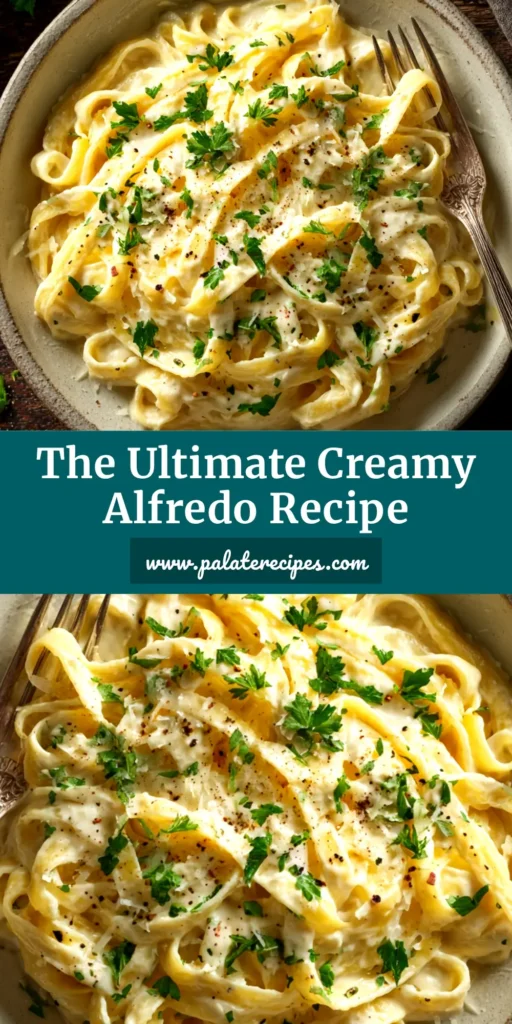
Fettuccine Alfredo Recipe
Fettuccine Alfredo: The Ultimate Creamy & Authentic Recipe
Ingredients
Equipment
Method
- Bring a large pot of salted water to a boil. Cook fettuccine according to package directions until al dente. Reserve 2 cups of pasta water before draining.
- While pasta cooks, melt butter in a large skillet over medium heat. Add minced garlic and cook until fragrant, about 30 seconds.
- Pour in the heavy cream, bring to a gentle simmer, and cook for 2-3 minutes until slightly thickened.
- Reduce heat to low and gradually whisk in the freshly grated Parmigiano-Reggiano until the sauce is completely smooth. Do not let it boil.
- Add the drained fettuccine to the sauce. Toss to coat, using splashes of reserved pasta water to thin the sauce to your desired consistency. Season with salt and pepper. Serve immediately, garnished with fresh parsley and extra cheese.
Notes
Don't Overcook the Sauce: Once the cheese is added, keep the heat low to prevent it from separating.
Serve Immediately: Alfredo sauce thickens quickly as it cools, so it is best enjoyed right away.