Unlock the secret to bakery-quality cakes and cupcakes with this foolproof Swiss Meringue Buttercream Recipe. If you’ve been searching for a frosting that is unbelievably smooth, stable for decorating, and perfectly balanced in sweetness, you’ve found it. This guide is designed for the enthusiastic home cook, breaking down every step to ensure you achieve a silky, luscious buttercream every single time. Forget grainy, overly sweet frostings; this is the recipe that will elevate your desserts to a professional level.
We’ll walk through the process together, from gently heating the egg whites to whipping the mixture into a glossy, stable meringue, and finally, incorporating the butter to create a sublime texture. This is more than just a recipe; it’s a masterclass in creating the perfect frosting.
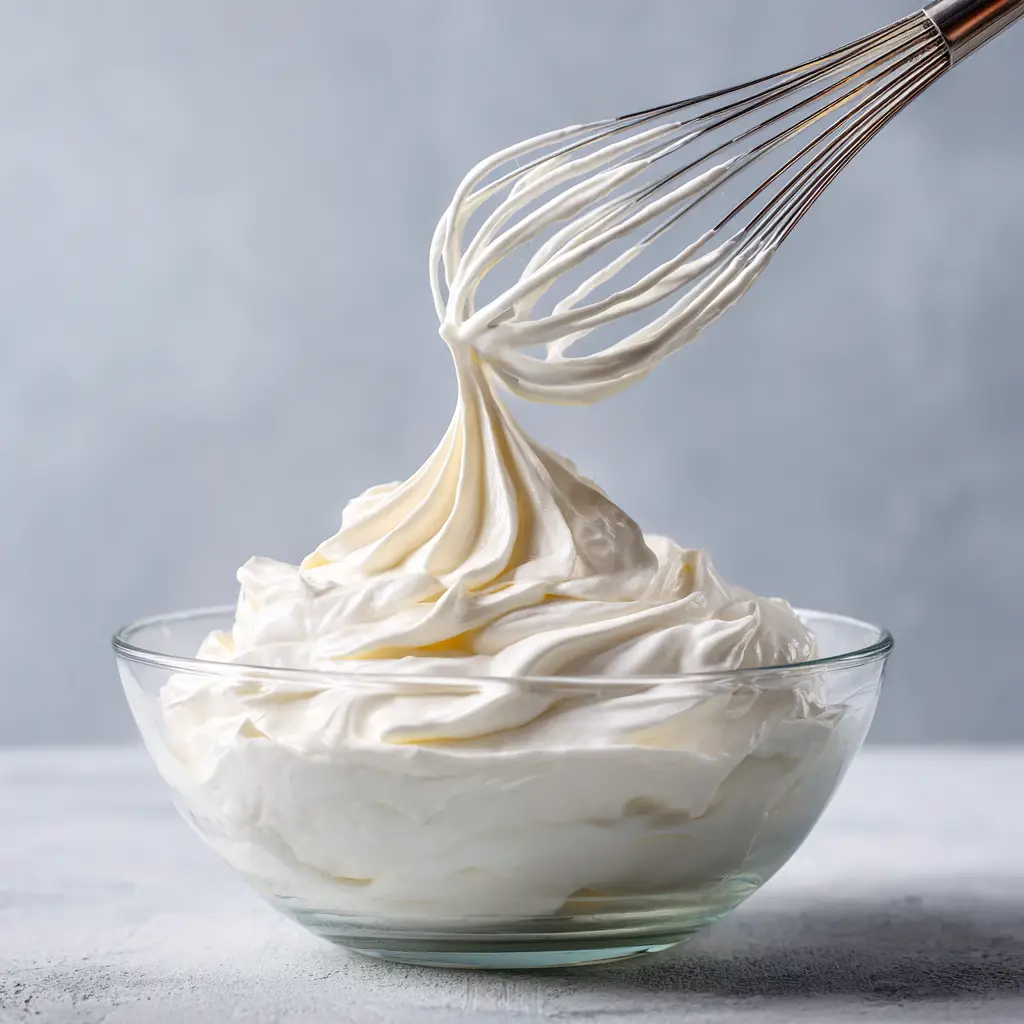
Why This is the Only Swiss Meringue Buttercream Recipe You’ll Ever Need
This isn’t just another frosting recipe. This Swiss Meringue Buttercream Recipe is a game-changer because of its superior texture and balanced flavor. It’s incredibly stable, making it ideal for piping intricate designs, frosting smooth cake layers, and holding up under decorations. Unlike American buttercream, it relies on a cooked egg white base, resulting in a frosting that’s significantly less sweet and has a complex, buttery flavor that complements any dessert without overpowering it. From a simple birthday cake to elegant wedding tiers, this is your new go-to.
What is Swiss Meringue Buttercream?
Swiss Meringue Buttercream is a type of frosting made by gently heating egg whites and sugar together over a double boiler. This mixture is then whipped into a stiff, glossy meringue. Once the meringue has cooled, softened butter is gradually added until a silky, smooth emulsion forms. The initial heating step dissolves the sugar completely and pasteurizes the egg whites, resulting in a grit-free texture and a frosting that is safe to eat.
The Key Ingredients for Perfect Buttercream
The beauty of this recipe lies in its simplicity. You only need a few high-quality ingredients to create this luxurious frosting.
- Egg Whites: Use fresh, large egg whites. They are the foundation of your meringue, providing structure and stability. Ensure absolutely no yolk gets into the whites.
- Granulated Sugar: This sweetens the frosting and, more importantly, stabilizes the egg whites to create a strong meringue.
- Unsalted Butter: The star of the show! Use high-quality, unsalted butter, softened to room temperature. The temperature is key to a smooth emulsion.
- Vanilla Extract: Pure vanilla extract adds depth of flavor. You can also experiment with other extracts once you’ve mastered the base recipe.
- Pinch of Salt: A little salt enhances all the other flavors and balances the sweetness.
Step-by-Step Instructions for Your Swiss Meringue Buttercream Recipe
Follow these steps carefully for guaranteed success. The key is patience and paying attention to temperatures.
Step 1: Gently Cook the Egg Whites and Sugar
Combine the egg whites and granulated sugar in the clean, dry bowl of your stand mixer. Set the bowl over a saucepan filled with about an inch of simmering water, creating a double boiler. Ensure the bottom of the bowl does not touch the water. Whisk the mixture constantly until the sugar has completely dissolved and the mixture feels warm to the touch (about 160°F / 71°C on an instant-read thermometer).
Step 2: Whip to Stiff, Glossy Peaks
Carefully transfer the mixer bowl to your stand mixer fitted with the whisk attachment. Start on low speed and gradually increase to high. Whip the mixture for 10-15 minutes, or until it has transformed into a thick, glossy meringue with stiff peaks. The outside of the bowl should no longer feel warm.
Step 3: Cool the Meringue
This step is non-negotiable. The meringue must be completely cooled to room temperature before you add the butter. If it’s even slightly warm, your butter will melt and you’ll have a soupy mess. Feel the bottom of the bowl; it should not feel warm at all.
Step 4: Gradually Add the Butter
Switch from the whisk attachment to the paddle attachment. With the mixer on medium-low speed, begin adding the room temperature butter one tablespoon at a time. Allow each piece to be mostly incorporated before adding the next. At some point, the mixture may look curdled or separated. Do not panic! This is completely normal.
Step 5: The Final Whip to Silky Perfection
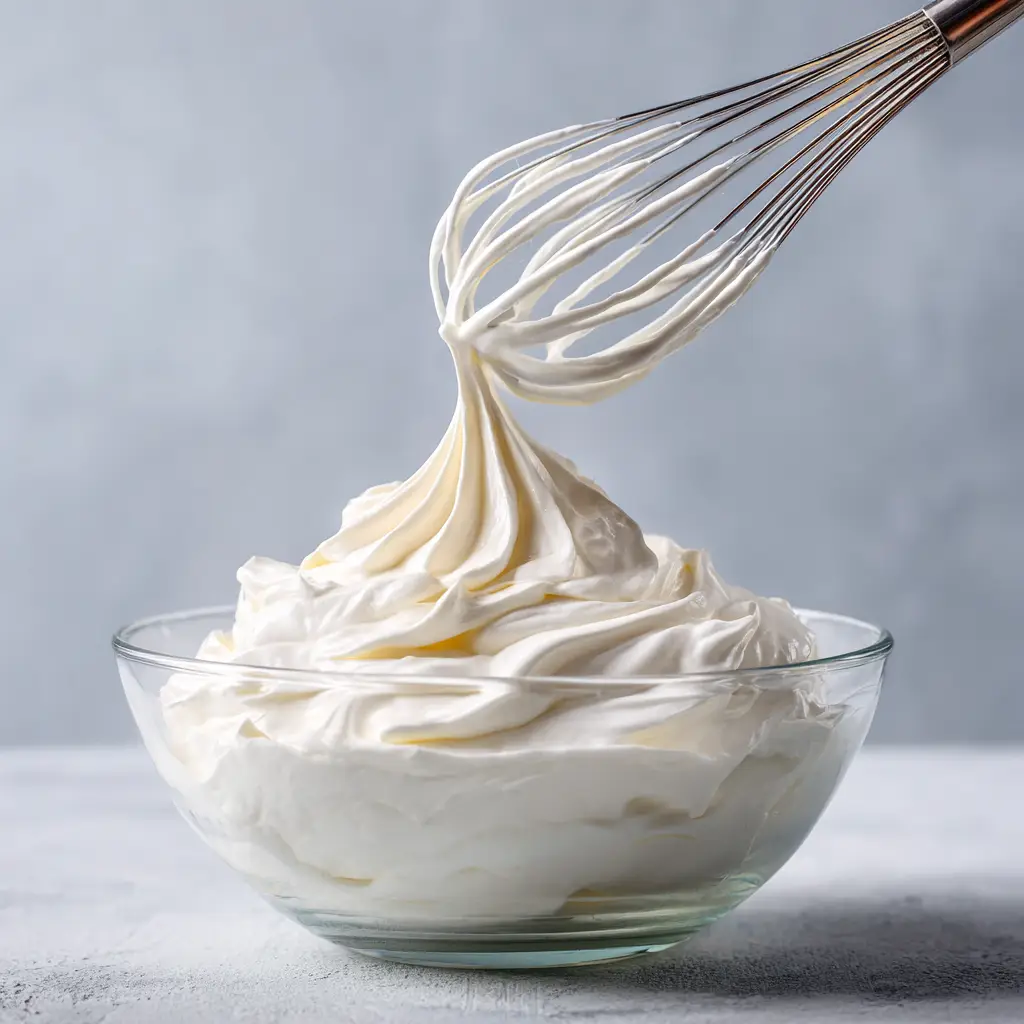
Once all the butter is added, increase the mixer speed to medium-high and let it whip. The buttercream will magically come together, transforming from a curdled-looking mixture into a thick, silky, and perfectly smooth frosting. This can take 3-5 minutes. Once it’s smooth, turn the mixer to low for a final minute to knock out any air bubbles. Mix in your vanilla and salt. For a different flavor profile, consider adding it to this amazing Blueberry Coffee Cake.
Pro Tips for Foolproof Buttercream
- Start with a Clean Slate: Make sure your bowl, whisk, and any utensils are completely free of grease. Any fat will prevent the meringue from whipping up properly. Wipe everything down with lemon juice or vinegar to be extra sure.
- Butter Temperature is Key: Your butter should be at room temperature, around 65-70°F (18-21°C). It should be pliable but not melty or greasy.
- Patience is a Virtue: Don’t rush the process. Whipping the meringue until it’s stiff and completely cool is crucial for stability.
Troubleshooting Common Issues
Even seasoned bakers run into issues sometimes. Here’s how to fix the most common problems with this Swiss Meringue Buttercream Recipe.
Why Is My Buttercream Soupy or Curdled?
A soupy buttercream usually means the meringue was too warm when the butter was added, or the butter itself was too soft. The fix is simple: refrigerate the entire bowl for 15-20 minutes, then whip it again on high speed until it comes together. If your buttercream is curdled, it usually means the butter was too cold. Just keep whipping! It will eventually come together as the friction warms the butter. This frosting would be a perfect topping for our Chocolate Cake Filling Recipe when used between cake layers.
How to Flavor Your Buttercream
Once you have your perfect vanilla base, the possibilities are endless. You can mix in melted and cooled chocolate, fruit purees, caramel sauce, or other extracts. Just be sure to add them at the very end and mix on low until just combined. This would taste amazing on our Hot Fudge Sundae Brownie Cheesecake.
Storing Your Swiss Meringue Buttercream
This buttercream can be made ahead of time. Store it in an airtight container in the refrigerator for up to two weeks or in the freezer for up to three months. To use, let it come to room temperature completely on the counter, then re-whip it in your stand mixer for a few minutes to bring it back to its original silky consistency.
Frequently Asked Questions
Yes, absolutely! It stores wonderfully. You can keep it in an airtight container in the refrigerator for up to 2 weeks or in the freezer for up to 3 months. Let it come to room temperature completely, then re-whip it for a few minutes to restore its silky texture.
If it’s soupy (too warm), chill the entire bowl in the fridge for 15-20 minutes, then re-whip. If it looks curdled (too cold), just keep whipping! The friction from the mixer will warm the butter and it will become smooth and emulsified.
While it requires more steps than American buttercream, it’s not hard to make if you follow the instructions carefully. The keys to success are ensuring your equipment is grease-free and paying close attention to the temperature of the meringue before adding the butter.
Yes, it is completely safe. The process of heating the egg whites and sugar to 160°F (71°C) pasteurizes the eggs, eliminating any risk of bacteria.
This is almost always due to a trace of fat or grease in the mixing bowl or on the whisk. Fat prevents the egg whites from whipping into a stable meringue. Ensure everything is meticulously clean before you start.
The Perfect Frosting for Your Creations
You now have the ultimate Swiss Meringue Buttercream Recipe in your baking arsenal. Its stability and silky texture make it the perfect choice for any dessert that needs a touch of elegance. We hope you love the rich flavor and flawless finish it brings to your creations. Share your beautifully frosted desserts with us on Pinterest!
Swiss Meringue Buttercream Recipe
Swiss Meringue Buttercream Recipe (Silky, Smooth & Foolproof)
Ingredients
Equipment
Method
- In a clean, grease-free bowl of a stand mixer, whisk together the egg whites and granulated sugar. Place the bowl over a saucepan with simmering water to create a double boiler. Whisk constantly until the sugar is fully dissolved and the mixture reaches 160°F (71°C).
- Transfer the bowl to the stand mixer fitted with the whisk attachment. Whip on medium-high speed for 10-15 minutes, until a stiff, glossy, and marshmallow-like meringue forms. The outside of the bowl must be completely cool to the touch.
- Switch to the paddle attachment. With the mixer on medium-low, add the room temperature butter one tablespoon at a time. The mixture may look curdled or separated; this is normal.
- Once all butter is added, increase speed to medium-high and whip for another 3-5 minutes until the buttercream becomes thick, smooth, and silky. Add the vanilla and salt and mix on low for one minute to remove air bubbles.
Notes
Patience Pays Off: Do not add the butter until the meringue is completely cool to the touch. This is the most critical step for success.
Fixing Soupy Buttercream: If it's soupy, refrigerate the bowl for 20 minutes and whip again. If it's curdled, just keep whipping until it comes together.