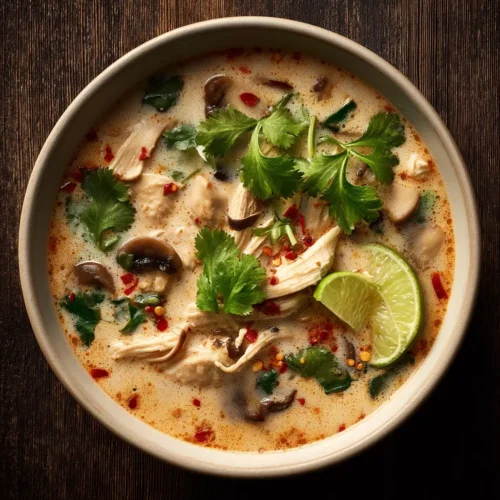
Craving a deeply savory, satisfying noodle dish that comes together in under 30 minutes? This Yaki Udon recipe is your answer. Forget takeout—this simple recipe delivers thick, chewy udon noodles tossed in a rich, umami-packed sauce with crisp vegetables and your favorite protein. It’s the perfect one-pan meal for a busy weeknight, guaranteed to become a new family favorite.
We’ll walk you through every step, from creating the perfect sauce to stir-frying the noodles without them getting mushy. Get ready to master this classic Japanese comfort food in your own kitchen.
What is Yaki Udon?
Yaki Udon is a popular Japanese stir-fry dish made with thick, chewy udon noodles, a savory sauce, and a mix of vegetables and protein. The name itself tells you what it is: “Yaki” (焼き) means “to fry or grill” in Japanese, and “Udon” (うどん) refers to the specific type of thick wheat-flour noodle used. Unlike noodle soups, Yaki Udon is a dry dish where the ingredients are tossed and cooked together in a large skillet or wok, allowing the noodles to absorb the delicious, slightly sweet and savory sauce.
Why You’ll Love This Yaki Udon Recipe
- Incredibly Fast: This entire meal comes together in less than 30 minutes, making it ideal for busy weeknights.
- Full of Flavor: The homemade sauce is the star of the show, boasting a perfect balance of savory, sweet, and umami notes that cling to every noodle.
- Customizable: Easily swap proteins or add whatever vegetables you have on hand. It’s a fantastic way to clean out the fridge! For another great stir-fry, check out this Shrimp and Cabbage Stir Fry.
- Comfort in a Bowl: The soft, chewy texture of the udon noodles combined with the rich sauce is pure comfort food.
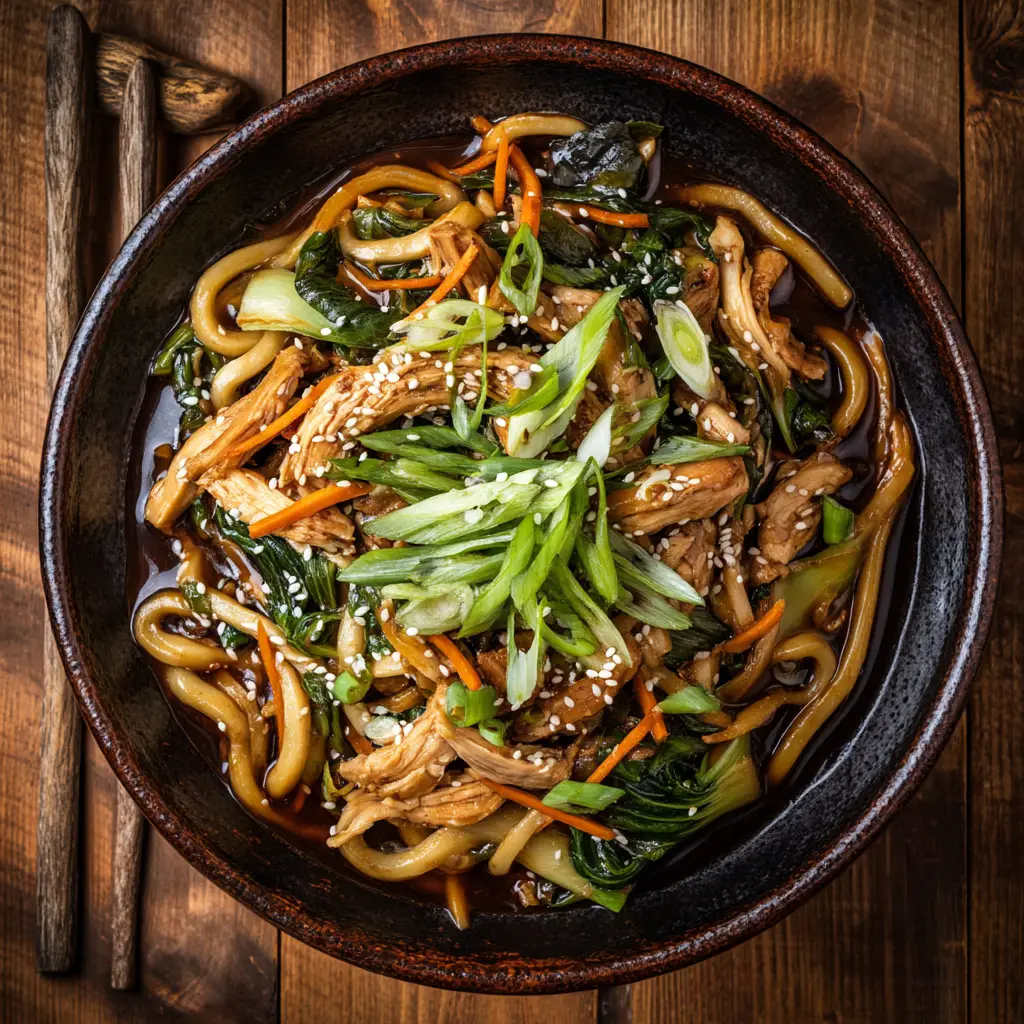
Ingredients You’ll Need
The magic of this dish lies in its simple yet flavorful components. The sauce is key, and the fresh ingredients bring it all to life. Here’s what you’ll need:
For the Yaki Udon Sauce:
- Soy Sauce: The savory, umami backbone of the sauce. Use a low-sodium version if you prefer to control the saltiness.
- Mirin: A sweet Japanese rice wine that adds a mild sweetness and beautiful glaze.
- Oyster Sauce: Provides a deep, savory, and slightly sweet flavor.
- Brown Sugar: Adds a touch of caramel-like sweetness to balance the salty soy sauce.
- Sesame Oil: A drizzle at the end adds a wonderful nutty aroma and flavor.
For the Stir-Fry:
- Udon Noodles: The star of the dish. You can use frozen, vacuum-sealed, or dried udon. Frozen is often preferred as it has the best texture.
- Chicken Thighs: Boneless, skinless chicken thighs are juicy and flavorful. You can also use chicken breast, shrimp, beef, or tofu.
- Avocado Oil: A neutral oil with a high smoke point, perfect for stir-frying. Vegetable or canola oil also work well.
- Garlic & Ginger: Freshly minced garlic and ginger create the aromatic base for the stir-fry.
- Onion & Cabbage: Sliced onion adds sweetness, and shredded cabbage adds a lovely crunch and bulk.
- Shiitake Mushrooms: These add a wonderfully meaty texture and earthy flavor.
- Bok Choy: A leafy green that wilts quickly and adds a fresh, slightly crisp element.
- Garnish: Sliced green onions, toasted sesame seeds, and bonito flakes (katsuobushi) for a traditional smoky flavor.
How to Make This Yaki Udon Recipe Step-by-Step
Follow these simple steps to create a restaurant-quality dish at home. It’s all about having your ingredients prepped and ready to go!
1. Prepare the Noodles and Sauce
First, cook the udon noodles according to the package directions. They usually only need a few minutes to boil. Once cooked, drain them immediately and rinse with cold water to stop the cooking process and prevent them from sticking. Set them aside. In a small bowl, whisk together the soy sauce, mirin, oyster sauce, and brown sugar. Set your sauce aside.
2. Cook the Protein and Aromatics
Heat the avocado oil in a large skillet or wok over medium-high heat. Add the sliced chicken thighs and cook until browned and cooked through, about 5-6 minutes. Add the sliced onion, minced garlic, and grated ginger. Sauté for another minute until fragrant.
3. Stir-fry the Vegetables
Add the shiitake mushrooms and cabbage to the skillet. Stir-fry for 3-4 minutes, until the cabbage begins to wilt and the mushrooms soften. If you enjoy flavorful stir-fried noodles, you might also like this easy Chow Mein recipe.
4. Combine and Serve
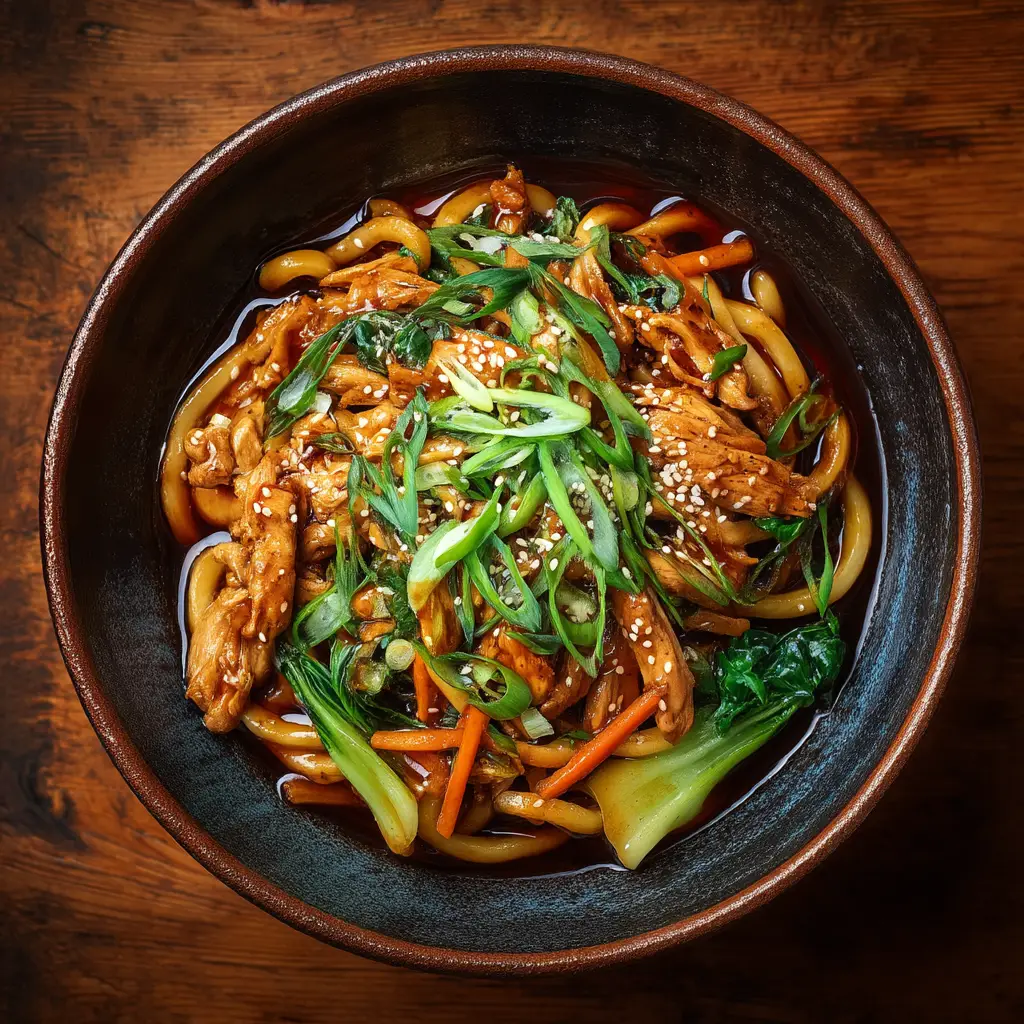
Add the cooked udon noodles, the bok choy, and the prepared sauce to the skillet. Use tongs to toss everything together gently but thoroughly, ensuring the noodles are fully coated in the sauce. Cook for 2-3 minutes, until the sauce has thickened slightly and everything is heated through. Drizzle with sesame oil and give it one last toss. Serve immediately, garnished with green onions, sesame seeds, and bonito flakes.
Tips for the Best Yaki Udon
- Don’t Overcook the Noodles: Udon noodles can become mushy if overcooked. Cook them just until they are tender, then rinse with cold water. They will cook a bit more in the skillet.
- High Heat is Key: A high heat ensures the vegetables become crisp-tender without getting soggy. A wok is ideal, but a large, heavy-bottomed skillet works great too.
- Prep Everything First: Stir-frying is a fast process. Have all your vegetables chopped, your sauce mixed, and your ingredients measured and ready to go before you turn on the stove. This is called “mise en place.”
- Don’t Crowd the Pan: If you’re doubling the recipe, it’s better to cook in two batches. Overcrowding the pan will steam the ingredients instead of frying them. A similar principle applies to this Teriyaki Chicken Stir Fry.
Recipe Variations
This Yaki Udon recipe is incredibly versatile. Here are a few popular variations to try:
- Beef Yaki Udon: Use thinly sliced flank steak or sirloin instead of chicken.
- Shrimp Yaki Udon: Add peeled and deveined shrimp in the last few minutes of cooking.
- Vegetarian Yaki Udon: Omit the chicken and use firm tofu or a double portion of mushrooms. Use a vegetarian stir-fry sauce instead of oyster sauce.
- Spicy Yaki Udon: Add a teaspoon of chili garlic sauce or a pinch of red pepper flakes to the sauce for a kick of heat.
Storage and Reheating
Yaki Udon is best enjoyed fresh, as the noodles can soften upon reheating. However, you can store leftovers in an airtight container in the refrigerator for up to 2 days. To reheat, add a splash of water to a skillet over medium heat and stir-fry until warmed through. You can also microwave it in short bursts, but the skillet method yields a better texture.
Yes, and it’s very simple! Our recipe uses a classic combination of soy sauce, mirin, oyster sauce, and a little brown sugar. This creates a perfectly balanced sweet and savory sauce.
The key is to not overcook the noodles during the initial boiling. Cook them until they are just ‘al dente’, then immediately drain and rinse them under cold water. This stops the cooking process and washes off excess starch, preventing them from sticking and turning mushy.
The main difference is the noodles. Yaki Udon is made with thick, chewy, white wheat-flour udon noodles. Yakisoba is made with thinner, yellow, ramen-style wheat noodles called ‘chukamen’.
Frozen udon noodles are often considered the best choice as they tend to have the best chewy texture. Pre-cooked, vacuum-sealed udon noodles are a great, convenient alternative. Dried udon noodles also work but need to be boiled longer.
Yaki Udon is very versatile. Besides cabbage, onions, and mushrooms, you can add bell peppers, carrots, broccoli florets, snap peas, or bean sprouts. Add harder vegetables first and leafy greens at the end.
Yes, and it’s very simple! Our recipe uses a classic combination of soy sauce, mirin, oyster sauce, and a little brown sugar. This creates a perfectly balanced sweet and savory sauce.
The key is to not overcook the noodles during the initial boiling. Cook them until they are just ‘al dente’, then immediately drain and rinse them under cold water. This stops the cooking process and washes off excess starch, preventing them from sticking and turning mushy.
The main difference is the noodles. Yaki Udon is made with thick, chewy, white wheat-flour udon noodles. Yakisoba is made with thinner, yellow, ramen-style wheat noodles called ‘chukamen’.
Frozen udon noodles are often considered the best choice as they tend to have the best chewy texture. Pre-cooked, vacuum-sealed udon noodles are a great, convenient alternative. Dried udon noodles also work but need to be boiled longer.
Yaki Udon is very versatile. Besides cabbage, onions, and mushrooms, you can add bell peppers, carrots, broccoli florets, snap peas, or bean sprouts. Add harder vegetables first and leafy greens at the end.
Your New Go-To Noodle Dish
This Yaki Udon recipe proves that you don’t need a long list of ingredients or hours in the kitchen to create a spectacular meal. With its chewy noodles, savory sauce, and endless customization options, it’s a dish you’ll return to again and again. Give it a try and let us know what you think in the comments!
If you loved this recipe, please share it on Pinterest!
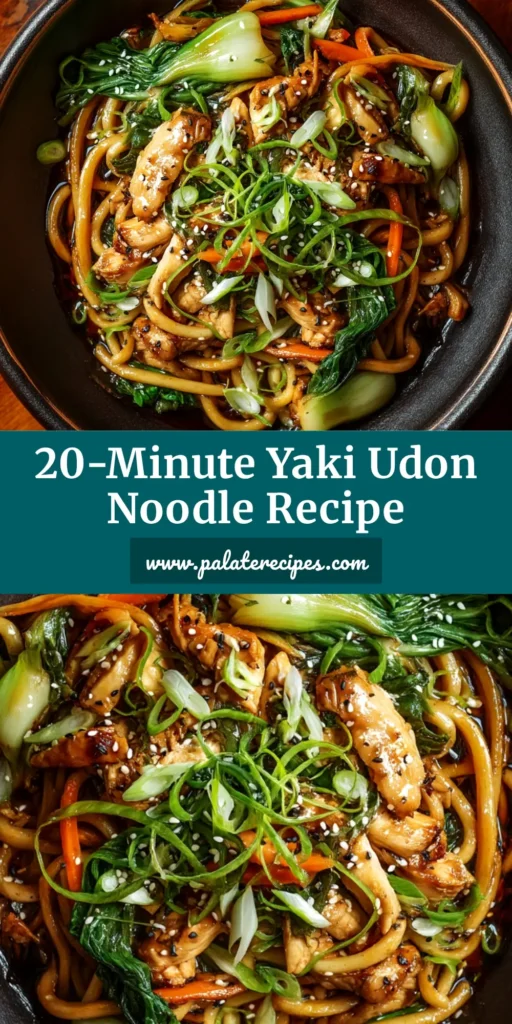
Yaki Udon Recipe: A Quick & Savory Stir-Fried Noodle Dish
This easy Yaki Udon recipe delivers a restaurant-quality Japanese stir-fried noodle dish in under 30 minutes. Chewy udon noodles are tossed in a savory, umami-rich sauce with tender chicken and crisp vegetables for the perfect weeknight meal.
Ingredients
Equipment
Method
- Cook the udon noodles according to package directions. Drain and rinse with cold water. In a small bowl, whisk together soy sauce, mirin, oyster sauce, and brown sugar. Set aside.
- Heat avocado oil in a large skillet or wok over medium-high heat. Add the chicken and cook until browned and cooked through. Add the sliced onion, garlic, and ginger, and sauté for 1 minute until fragrant.
- Add the shiitake mushrooms and cabbage to the skillet. Stir-fry for 3-4 minutes until the cabbage begins to wilt.
- Add the cooked udon noodles, bok choy, and prepared sauce to the skillet. Toss gently to combine and cook for 2-3 minutes until everything is heated through and the sauce has thickened. Drizzle with toasted sesame oil.
- Serve immediately, garnished with sliced green onions and toasted sesame seeds.
Notes
Don't Overcook Noodles: Rinse udon noodles with cold water immediately after boiling to prevent them from becoming mushy.
High Heat is Key: Use high heat to get a good sear on the ingredients without making them soggy.
Customize It: Feel free to substitute the chicken with thinly sliced beef, shrimp, or firm tofu.
Yaki Udon Recipe: A Quick & Savory Stir-Fried Noodle Dish
Ingredients
Equipment
Method
- Cook the udon noodles according to package directions. Drain and rinse with cold water. In a small bowl, whisk together soy sauce, mirin, oyster sauce, and brown sugar. Set aside.
- Heat avocado oil in a large skillet or wok over medium-high heat. Add the chicken and cook until browned and cooked through. Add the sliced onion, garlic, and ginger, and sauté for 1 minute until fragrant.
- Add the shiitake mushrooms and cabbage to the skillet. Stir-fry for 3-4 minutes until the cabbage begins to wilt.
- Add the cooked udon noodles, bok choy, and prepared sauce to the skillet. Toss gently to combine and cook for 2-3 minutes until everything is heated through and the sauce has thickened. Drizzle with toasted sesame oil.
- Serve immediately, garnished with sliced green onions and toasted sesame seeds.
Notes
High Heat is Key: Use high heat to get a good sear on the ingredients without making them soggy.
Customize It: Feel free to substitute the chicken with thinly sliced beef, shrimp, or firm tofu.