Forget everything you think you know about boring, mushy vegetables. This guide will teach you how to make perfectly crisp-tender and flavorful Healthy Sautéed Vegetables every single time. It’s more than a recipe; it’s a technique that will transform your side dish game in just 15 minutes. Say goodbye to soggy zucchini and hello to a vibrant, delicious medley you’ll actually crave.
Why This is The Only Sautéed Vegetable Recipe You Need
This recipe is designed to be your go-to method for a quick and healthy side. We focus on three key things: incredible flavor, perfect texture, and foolproof simplicity. By using high heat and the right combination of vegetables, we ensure they sear on the outside while staying tender on the inside. It’s a versatile technique that works with almost any vegetable you have on hand, making it a perfect solution for busy weeknights.
Choosing the Best Vegetables for Sautéing
The key to a great sauté is choosing vegetables that cook at a similar rate. If you mix quick-cooking vegetables with dense, slow-cooking ones, you’ll end up with an unevenly cooked dish. For this recipe, we’re using a classic, quick-cooking combination.
- Bell Peppers: Any color works wonderfully. They add sweetness and a beautiful pop of color.
- Zucchini: A summer squash that cooks quickly and absorbs flavors well.
- Red Onion: Provides a sweet, aromatic base that complements the other vegetables.
- Broccoli Florets: Cut them small so they cook through at the same rate as the others.
- Carrots: Slice them thinly so they become tender-crisp without being raw.
The Secret to Even Cooking: How to Cut Your Vegetables
Proper prep is the most important step for achieving that perfect texture. The goal is to have every piece be roughly the same size. This ensures that everything cooks evenly and you don’t have to pick out undercooked carrots or overly soft zucchini.
- For bell peppers and onions: Cut into 1-inch squares.
- For zucchini: Slice into 1/2-inch thick half-moons.
- For carrots: Slice thinly on a bias, about 1/4-inch thick.
- For broccoli: Cut into small, bite-sized florets.
Taking a few extra minutes to prep your vegetables properly will make a world of difference in the final result.
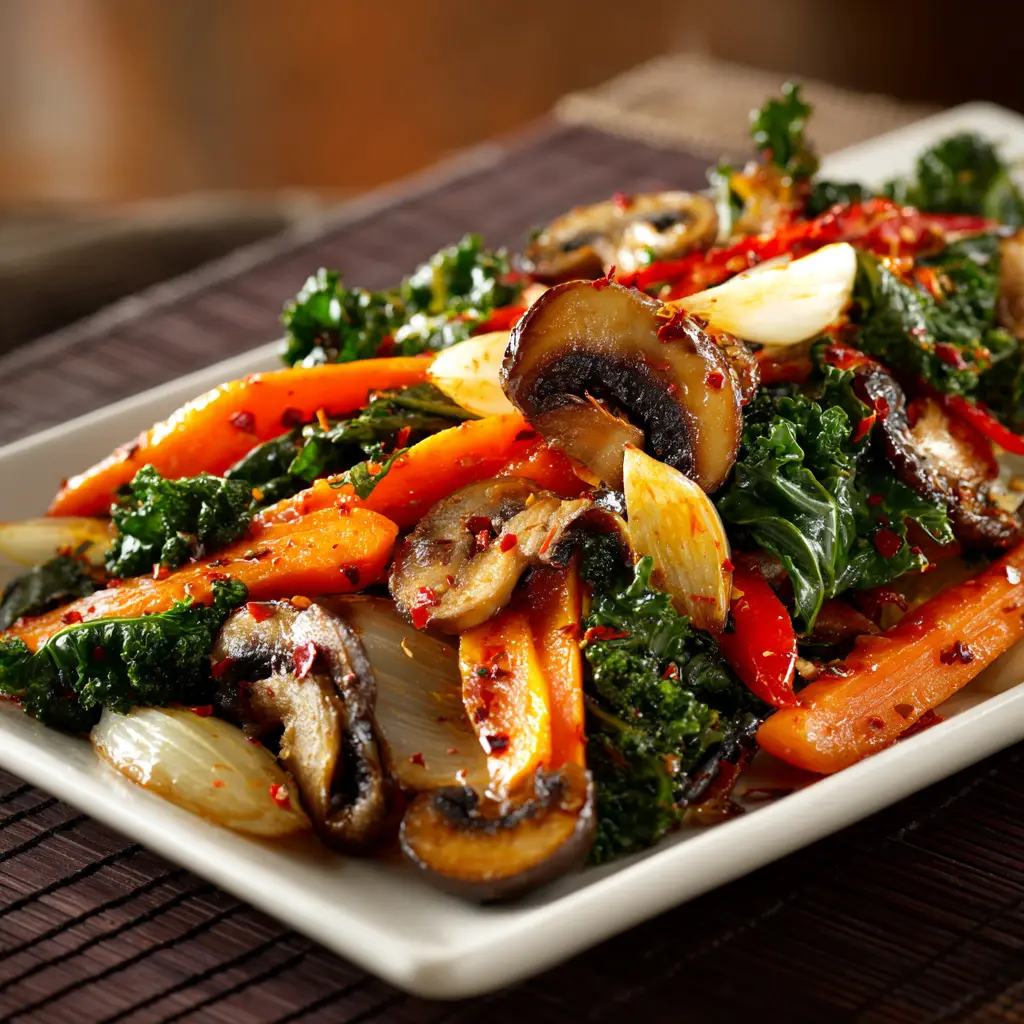
How to Make Healthy Sautéed Vegetables
Now for the fun part. The key here is to work quickly and keep things moving. A hot pan is essential for getting a good sear and preventing the vegetables from steaming.
Ingredients
- 1 tablespoon olive oil
- 1 red bell pepper, cut into 1-inch pieces
- 1 yellow bell pepper, cut into 1-inch pieces
- 1 medium zucchini, sliced into 1/2-inch half-moons
- 1 medium red onion, cut into 1-inch pieces
- 1 small head of broccoli, cut into small florets
- 2 carrots, thinly sliced
- 3 cloves garlic, minced
- 1 teaspoon dried Italian seasoning
- 1/2 teaspoon salt
- 1/4 teaspoon black pepper
Instructions
- Heat the Pan: Place a large skillet or wok over medium-high heat. Add the olive oil and let it get hot until it shimmers slightly.
- Sauté Harder Vegetables: Add the carrots and broccoli to the hot pan. Sauté for 3-4 minutes, stirring occasionally, until they begin to brighten in color and become slightly tender.
- Add Softer Vegetables: Add the bell peppers, zucchini, and red onion to the skillet. Continue to cook for another 5-7 minutes, stirring frequently, until all vegetables are crisp-tender.
- Add Aromatics: Add the minced garlic and Italian seasoning to the pan. Cook for one more minute until the garlic is fragrant. Be careful not to let it burn.
- Season and Serve: Remove the skillet from the heat. Season with salt and pepper, toss to combine, and serve immediately.
Pro Tips for Crisp-Tender Perfection
Follow these simple rules to guarantee success:
- Don’t Crowd the Pan: Use a large skillet to give your vegetables plenty of space. If you overcrowd them, they will steam instead of sear, leading to a soggy texture. Cook in batches if necessary.
- Use High Heat: Medium-high to high heat is crucial. It cooks the vegetables quickly, searing the outside while keeping the inside crisp.
- Stir Infrequently at First: Let the vegetables sit for a minute or two without stirring when you first add them to the pan. This helps them develop a nice color and char.
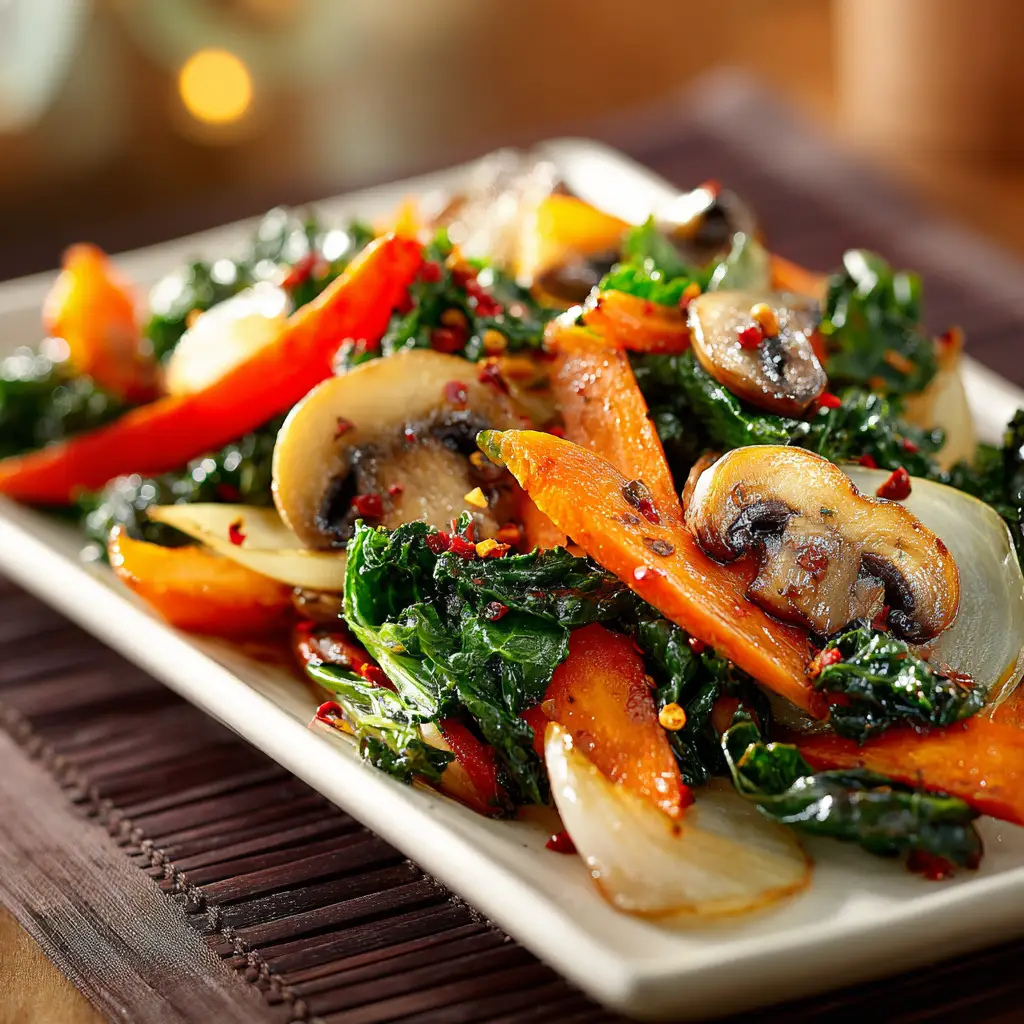
Flavor Variations to Try
This recipe is a fantastic base for customization. Try these other flavor profiles:
- Asian-Inspired: Swap the olive oil for sesame oil. Omit the Italian seasoning and add 1 tablespoon of soy sauce, 1 teaspoon of grated ginger, and a sprinkle of sesame seeds at the end.
- Spicy Southwestern: Replace the Italian seasoning with 1 teaspoon of chili powder and 1/2 teaspoon of cumin. Finish with a squeeze of lime juice and fresh cilantro.
- Lemony Herb: Keep the Italian seasoning and finish the dish with the zest and juice of one lemon and a handful of fresh chopped parsley.
These variations are a great way to complement different main courses. The Asian-inspired vegetables, for example, pair beautifully with honey garlic salmon bites.
What to Serve With Your Vegetables
These Healthy Sautéed Vegetables are the ultimate versatile side dish. They pair wonderfully with almost any protein. For a delicious and balanced meal, serve them alongside garlic parmesan crusted halibut or simple oven-baked chicken. If you enjoy roasting as much as sautéing, you might also love this recipe for crispy roasted cauliflower. They also make a fantastic addition to grain bowls or pasta dishes.
Storing and Reheating
While sautéed vegetables are best enjoyed fresh, you can store leftovers in an airtight container in the refrigerator for up to 3 days. To reheat, warm them in a skillet over medium heat for a few minutes until heated through. Avoid the microwave, as it can make them soft.
Frequently Asked Questions
Yes, but it requires a different technique. Do not thaw the frozen vegetables first. Add them directly to the hot pan and cook, stirring frequently, until the excess water has evaporated and they become crisp-tender. They may not get as seared as fresh vegetables, but they will still be delicious.
They should be ‘crisp-tender.’ This means they are cooked through but still have a slight bite or crunch. They will be bright in color and slightly browned or charred in spots. The best way to know is to taste one!
The three most important tips are: 1) Use a large pan to avoid overcrowding them. 2) Make sure your pan is hot (medium-high heat) before adding the veggies. 3) Don’t cover the pan, as this traps steam and makes them soft.
Start simply with salt, pepper, and minced garlic. From there, you can customize! A teaspoon of dried Italian seasoning, chili powder, or even just a squeeze of fresh lemon juice at the end can elevate the flavor.
A neutral oil with a high smoke point is best. Avocado oil, grapeseed oil, and even a light olive oil are excellent choices. They can handle the high heat needed for a good sear without burning.
The Perfect Healthy Side Dish
This recipe proves that a healthy side dish can be incredibly delicious and easy to make. By mastering this simple technique, you’ll have a go-to method for adding more vegetables to your meals in a way everyone will love. We hope this becomes a staple in your kitchen!
If you tried this recipe, please leave a comment below and don’t forget to share a picture on Pinterest!
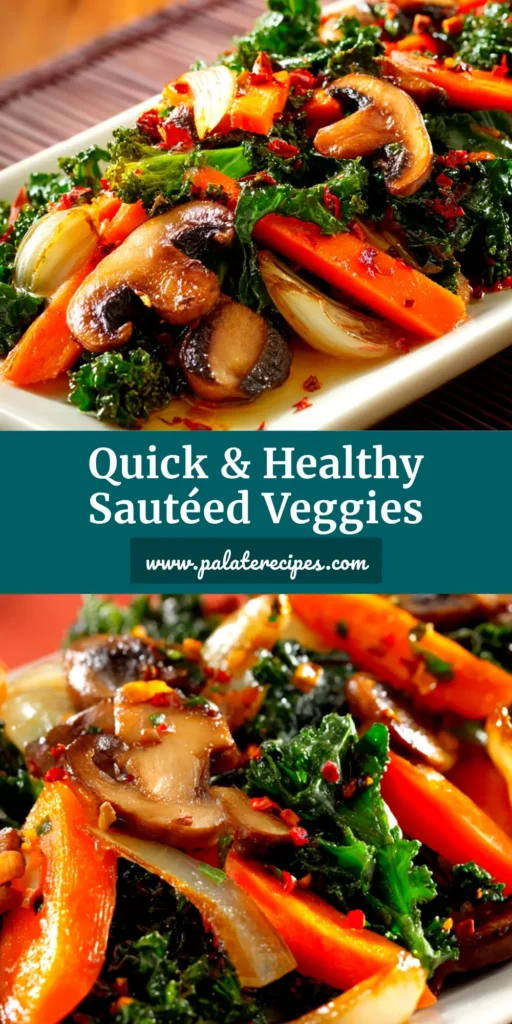
Healthy Sautéed Vegetables Recipe
Healthy Sautéed Vegetables: The Perfect 15-Minute Side Dish
Ingredients
Equipment
Method
- Heat the Pan: Place a large skillet or wok over medium-high heat. Add the olive oil and let it get hot until it shimmers slightly.
- Sauté Harder Vegetables: Add the carrots and broccoli to the hot pan. Sauté for 3-4 minutes, stirring occasionally, until they begin to brighten in color and become slightly tender.
- Add Softer Vegetables: Add the bell peppers, zucchini, and red onion to the skillet. Continue to cook for another 5-7 minutes, stirring frequently, until all vegetables are crisp-tender.
- Add Aromatics: Add the minced garlic and Italian seasoning to the pan. Cook for one more minute until the garlic is fragrant. Be careful not to let it burn.
- Season and Serve: Remove the skillet from the heat. Season with salt and pepper, toss to combine, and serve immediately.
Notes
Tip 2: High Heat is Key. Using medium-high heat cooks the vegetables quickly, giving them a perfect crisp-tender texture.