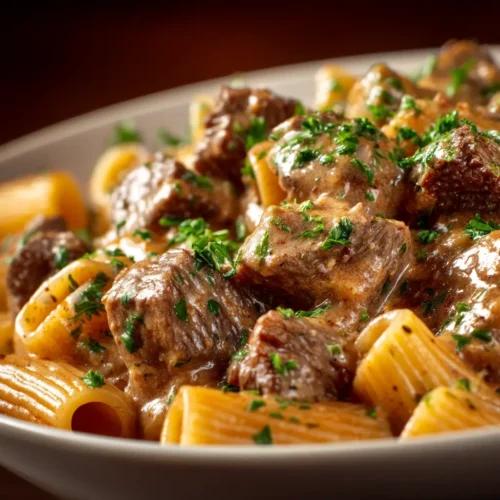
There’s nothing quite like a rich, hearty bowl of classic beef stew to warm you up from the inside out. This beef stew recipe is the culmination of years of testing, designed to deliver deep, complex flavor and incredibly tender beef every single time. Forget thin, bland stews; this guide will walk you through creating a thick, savory, and deeply satisfying meal that will have your family asking for seconds. It’s the perfect dish for a cozy Sunday dinner, a chilly weeknight, or whenever you need a comforting embrace in a bowl.
We’ll cover everything from selecting the right cut of beef to achieving the perfect, velvety gravy. This recipe is straightforward, packed with wholesome vegetables, and built on layers of flavor that make it truly unforgettable. Get ready to master the art of the perfect beef stew.
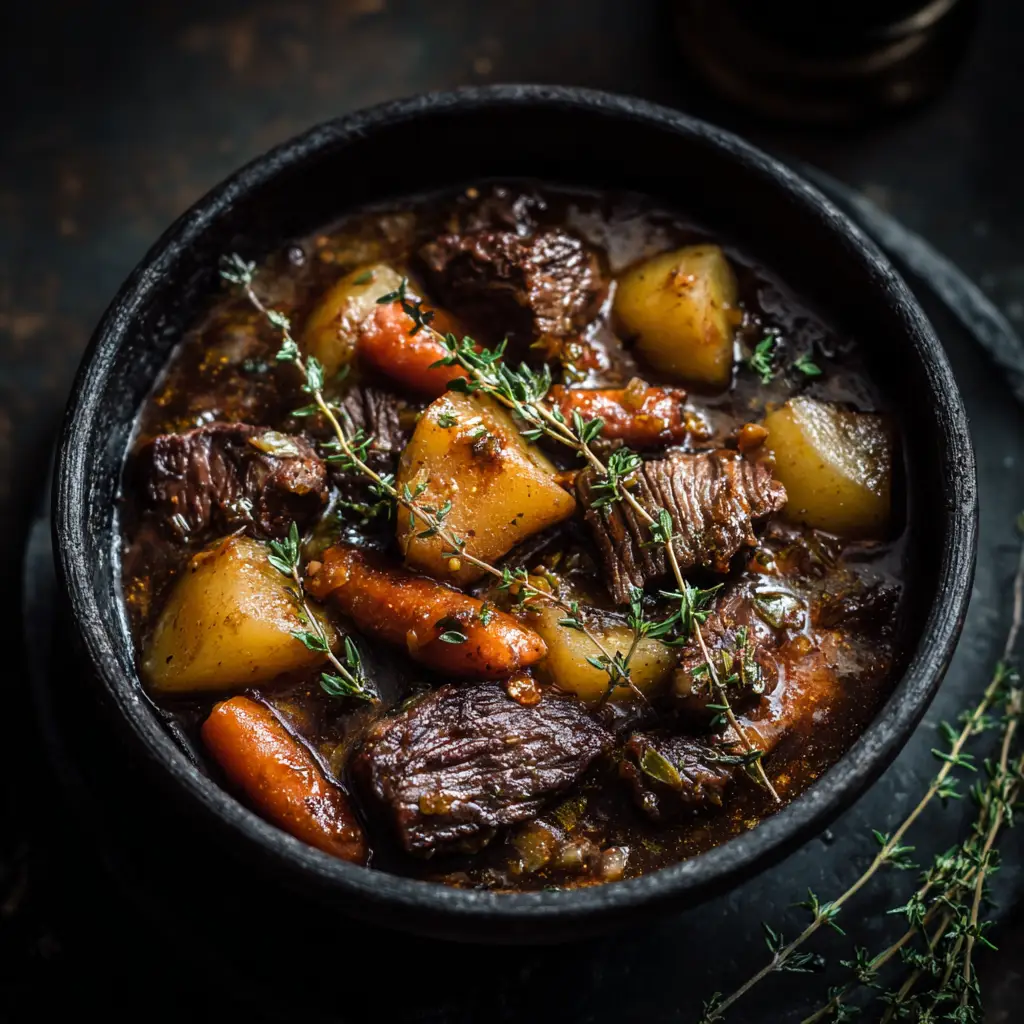
Why This is the Best Beef Stew Recipe
What sets this recipe apart is its focus on building flavor at every step. We don’t just toss everything into a pot. We start by searing the beef to create a rich, brown crust—a process called the Maillard reaction—which forms the foundation of the stew’s deep, savory taste. We then use aromatic vegetables and a touch of red wine to deglaze the pan, lifting all those flavorful browned bits into the stew. This method ensures a robust, restaurant-quality result that is miles ahead of simpler “dump-and-cook” recipes.
Key Ingredients for a Hearty Stew
The magic of this beef stew recipe lies in using simple, high-quality ingredients. Here’s what you’ll need:
- Beef Chuck: This is the best cut for stew. Its marbling and connective tissue break down during the long cooking process, resulting in incredibly tender, melt-in-your-mouth beef.
- Vegetables: A classic combination of onions, carrots, celery, and potatoes provides the aromatic base and hearty texture.
- Aromatics: Garlic and bay leaves are essential for adding depth and aroma.
- Flour: A little all-purpose flour helps to thicken the stew into a luscious gravy.
- Liquids: A combination of dry red wine (like Cabernet Sauvignon or Merlot) and quality beef broth creates a rich, complex sauce. The wine adds acidity and depth, but you can substitute with more broth if you prefer.
- Tomato Paste: This adds a concentrated, umami-rich flavor that enhances the overall savoriness of the stew.
For a side dish that complements this hearty meal perfectly, consider serving it with some crusty Amish white bread or our delicious garlic cheese bombs to soak up every last drop of the gravy.
How to Make The Perfect Beef Stew
Follow these steps carefully for a foolproof beef stew every time.
Step 1: Prepare and Sear the Beef
First, pat your beef cubes completely dry with paper towels. This step is crucial for getting a good sear. Season the beef generously with salt and pepper. In a large Dutch oven or heavy-bottomed pot, heat the olive oil over medium-high heat. Add the beef in a single layer, being careful not to crowd the pan. You may need to do this in two batches. Brown the beef on all sides, then remove it from the pot and set it aside.
Step 2: Sauté the Vegetables and Aromatics
Reduce the heat to medium and add the chopped onion, carrots, and celery to the same pot. Cook, stirring occasionally, until the vegetables have softened, about 5-7 minutes. Add the minced garlic and cook for another minute until fragrant. Stir in the tomato paste and cook for one minute more to deepen its flavor.
Step 3: Deglaze and Simmer
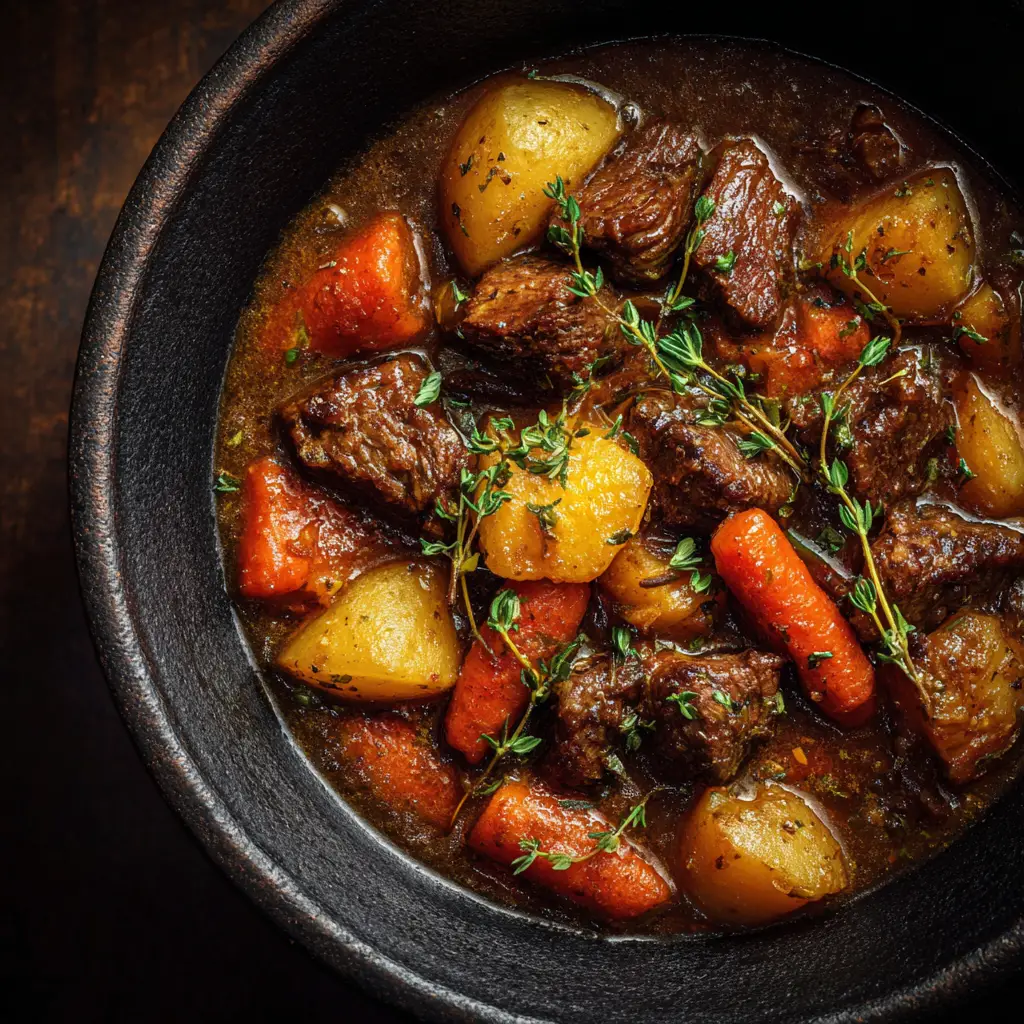
Sprinkle the flour over the vegetables and stir until it’s fully incorporated. Slowly pour in the red wine, scraping the bottom of the pot with a wooden spoon to release all the flavorful browned bits. Bring the mixture to a simmer and cook for a couple of minutes to allow the wine to reduce slightly. Next, stir in the beef broth, bay leaves, and the seared beef (along with any accumulated juices). Bring the stew to a gentle simmer.
Step 4: The Low and Slow Cook
Once simmering, reduce the heat to low, cover the pot, and let it cook for at least 1.5 to 2 hours, or until the beef is becoming tender. The long, slow cook time is essential for breaking down the connective tissues in the beef. After the initial cook time, add the potatoes, cover, and continue to cook for another 45-60 minutes, or until both the beef and potatoes are fork-tender. Season with additional salt and pepper to taste before serving.
Expert Tips for a Flawless Beef Stew
- Don’t Skip the Sear: Searing the beef is the most important step for developing deep flavor. A well-browned crust on the meat translates to a richer, more complex stew.
- Low and Slow is Key: Don’t rush the cooking process. Beef stew needs time for the tough cuts of meat to become tender and for the flavors to meld together beautifully.
- Thickening Your Stew: If your stew isn’t as thick as you’d like, you can create a slurry by mixing one tablespoon of cornstarch with two tablespoons of cold water. Stir this into the simmering stew and cook for a few minutes until it has thickened. For another hearty one-pot meal, try our popular Old-Fashioned Goulash Recipe.
What to Serve with Beef Stew
This classic beef stew recipe is a complete meal on its own, but it’s even better with the right accompaniments. Serve it over creamy mashed potatoes, egg noodles, or simply with a side of crusty bread for dipping. For a lighter option, a simple green salad with a vinaigrette dressing can provide a fresh contrast. If you’re looking for another comforting classic, our Mississippi Pot Roast is always a crowd-pleaser.
Storage and Reheating Instructions
Beef stew tastes even better the next day! Store any leftovers in an airtight container in the refrigerator for up to 4 days. You can also freeze the stew for up to 3 months. To reheat, gently warm the stew in a saucepan over medium-low heat until it’s heated through. You may need to add a splash of beef broth to adjust the consistency.
Yes, absolutely. First, complete the searing and vegetable sautéing steps on the stovetop. Then, transfer everything to your slow cooker. Cook on low for 6-8 hours or on high for 3-4 hours, adding the potatoes during the last hour of cooking.
If your stew isn’t as thick as you’d like, you can create a cornstarch slurry. Mix one tablespoon of cornstarch with two tablespoons of cold water until smooth, then stir it into the simmering stew. Let it cook for a few more minutes until the gravy has thickened.
You can store leftover beef stew in an airtight container in the refrigerator for up to 4 days. The flavors often become even richer and more developed the next day.
The best cut of beef for stew is chuck roast. It has excellent marbling and connective tissue that breaks down during the long, slow cooking process, resulting in incredibly tender and flavorful meat.
If your beef is tough, it most likely needs more time to cook. Stew meat like chuck needs a long, slow simmer to allow the tough connective tissues to break down and become tender. Ensure you are cooking it on a low heat and give it more time if needed.
Yes, absolutely. First, complete the searing and vegetable sautéing steps on the stovetop. Then, transfer everything to your slow cooker. Cook on low for 6-8 hours or on high for 3-4 hours, adding the potatoes during the last hour of cooking.
If your stew isn’t as thick as you’d like, you can create a cornstarch slurry. Mix one tablespoon of cornstarch with two tablespoons of cold water until smooth, then stir it into the simmering stew. Let it cook for a few more minutes until the gravy has thickened.
You can store leftover beef stew in an airtight container in the refrigerator for up to 4 days. The flavors often become even richer and more developed the next day.
The best cut of beef for stew is chuck roast. It has excellent marbling and connective tissue that breaks down during the long, slow cooking process, resulting in incredibly tender and flavorful meat.
If your beef is tough, it most likely needs more time to cook. Stew meat like chuck needs a long, slow simmer to allow the tough connective tissues to break down and become tender. Ensure you are cooking it on a low heat and give it more time if needed.
The Only Beef Stew Recipe You’ll Ever Need
We hope you love this classic beef stew recipe. It’s a true labor of love that is worth every minute of simmering. Give it a try and let us know what you think in the comments below!
For more delicious dinner ideas, be sure to follow us on Pinterest.
Beef Stew Recipe
Beef Stew Recipe: The Ultimate Comfort Food Classic
Ingredients
Equipment
Method
- Pat the beef cubes dry with paper towels and season generously with salt and pepper.
- Heat olive oil in a large Dutch oven over medium-high heat. Add the beef in a single layer (working in batches if necessary) and sear on all sides until well-browned. Remove the beef and set aside.
- Reduce the heat to medium. Add the onions, carrots, and celery to the pot and cook until softened, about 5-7 minutes. Stir in the minced garlic and cook for one more minute until fragrant.
- Add the tomato paste and cook for 1 minute, stirring constantly.
- Sprinkle the flour over the vegetables and stir to combine. Cook for 1 minute.
- Slowly pour in the red wine, scraping up any browned bits from the bottom of the pot. Bring to a simmer and cook for 2 minutes.
- Stir in the beef broth, bay leaves, and the seared beef with its juices. Bring the mixture to a simmer.
- Reduce the heat to low, cover, and cook for 1 hour and 30 minutes.
- Add the potatoes to the pot, stir, and cover again. Continue to cook for an additional 45-60 minutes, or until the beef and potatoes are fork-tender.
- Remove the bay leaves. Taste and adjust seasoning with more salt and pepper if needed. Garnish with fresh parsley before serving.
Notes
Ensure the beef is patted completely dry before searing to achieve the best possible crust.
This stew tastes even better the next day as the flavors have more time to meld together.