Get ready to sink your teeth into the most incredible Butterscotch Brownies you’ve ever tasted. This recipe ditches the cakey texture for a perfectly dense, incredibly chewy, and deeply flavorful bar loaded with rich, molasses-forward brown sugar. If you’re searching for that ultimate dessert that’s both simple to make and impossible to resist, you’ve found it. These are not your average blondies; they are a true celebration of all things butterscotch.
We are going to walk through every step, ensuring you get that bakery-quality chewiness right in your own kitchen. It’s the perfect treat for any occasion, from after-school snacks to holiday dessert spreads.
What Makes These Butterscotch Brownies So Good?
The secret to an unforgettable butterscotch brownie is texture and flavor. This recipe is meticulously crafted to deliver a wonderfully chewy bite, not a light, cakey one. The high moisture content from the melted butter and dark brown sugar creates a dense, fudgy interior that is simply divine. Plus, the flavor is pure, unadulterated butterscotch, thanks to the star ingredient: dark brown sugar. It provides a complex, caramel-like sweetness that white sugar just can’t replicate.
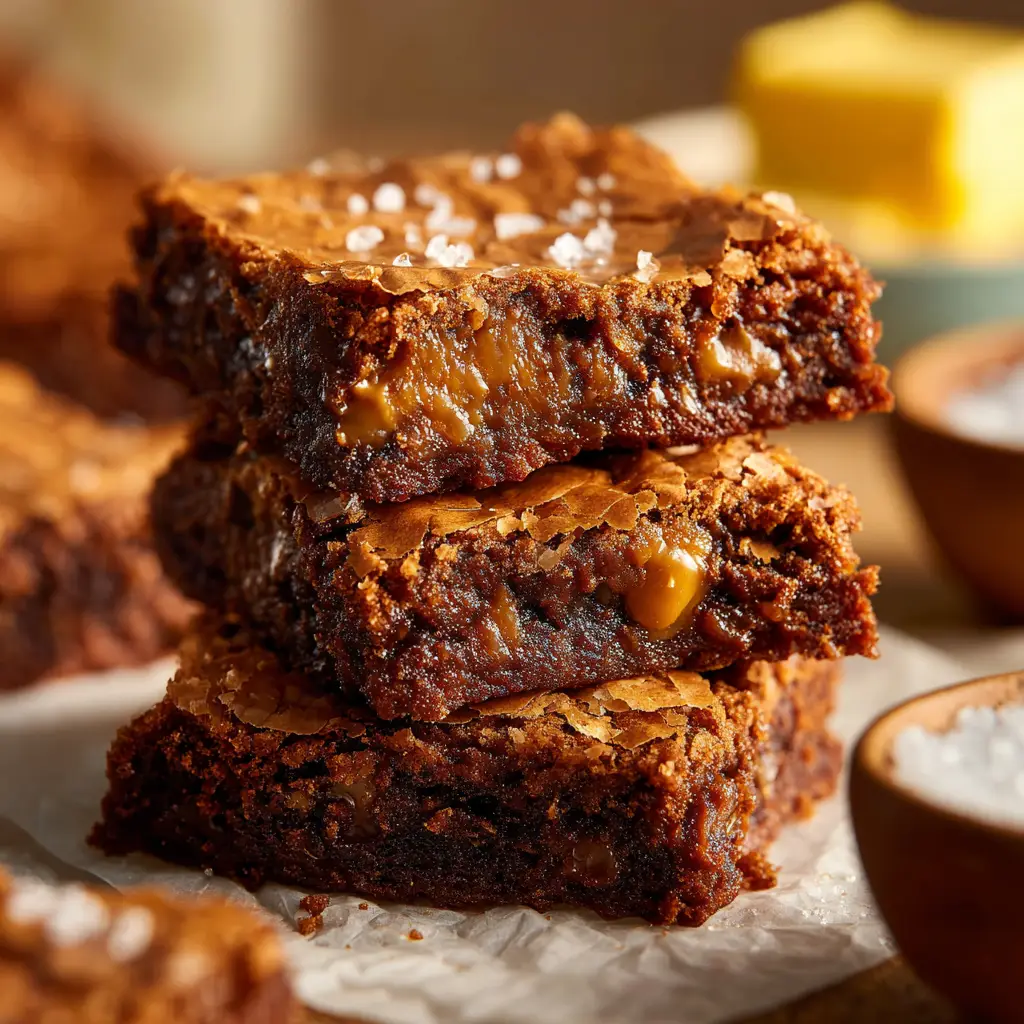
Ingredients for Chewy Butterscotch Brownies
The magic of this recipe lies in its simple, high-quality ingredients. Here’s what you’ll need:
- Unsalted Butter: Melted butter is crucial for a chewy, not cakey, texture.
- Dark Brown Sugar: This is the non-negotiable star. It provides the signature molasses flavor and essential moisture for chewiness.
- Large Eggs: Use room temperature eggs to ensure they incorporate smoothly into the batter for a uniform texture.
- Vanilla Extract: A high-quality pure vanilla extract enhances the warm, caramel notes of the butterscotch.
- All-Purpose Flour: Just enough to provide structure without making the brownies tough. Be sure to measure correctly!
- Baking Powder: Provides a very slight lift, preventing the brownies from being too dense.
- Salt: A critical ingredient that balances the sweetness and brings out the complexity of the butterscotch flavor.
- Optional Add-ins: Consider butterscotch chips for extra flavor or pecans for a delightful crunch. We have a great Pecan Tassies recipe if you love that nutty flavor!
Step-by-Step Instructions
Making these Butterscotch Brownies is incredibly straightforward. Follow these simple steps for perfect results every time.
- Preheat and Prep: First, preheat your oven to 350°F (175°C). Grease an 8×8 inch baking pan and line it with parchment paper, leaving an overhang on two sides to easily lift the brownies out later.
- Melt Butter and Sugar: In a medium saucepan, melt the butter over low heat. Remove from heat and stir in the dark brown sugar until completely combined. The mixture will be grainy. Let it cool for a few minutes.
- Add Eggs and Vanilla: Whisk the eggs and vanilla extract into the slightly cooled butter and sugar mixture until smooth and glossy.
- Combine Dry Ingredients: In a separate bowl, whisk together the all-purpose flour, baking powder, and salt.
- Mix the Batter: Gently fold the dry ingredients into the wet ingredients until just combined. It’s very important not to overmix! A few streaks of flour are perfectly fine. If using, fold in your butterscotch chips or nuts now.
- Bake to Perfection: Pour the batter into your prepared pan and spread it into an even layer. Bake for 22-25 minutes, or until the edges are set and a toothpick inserted into the center comes out with moist crumbs attached, but not wet batter.
- Cool Completely: This is the hardest part! Let the brownies cool completely in the pan on a wire rack. Cooling is essential for them to set properly and achieve the perfect chewy texture. Once cooled, use the parchment paper overhang to lift them out and cut them into squares.
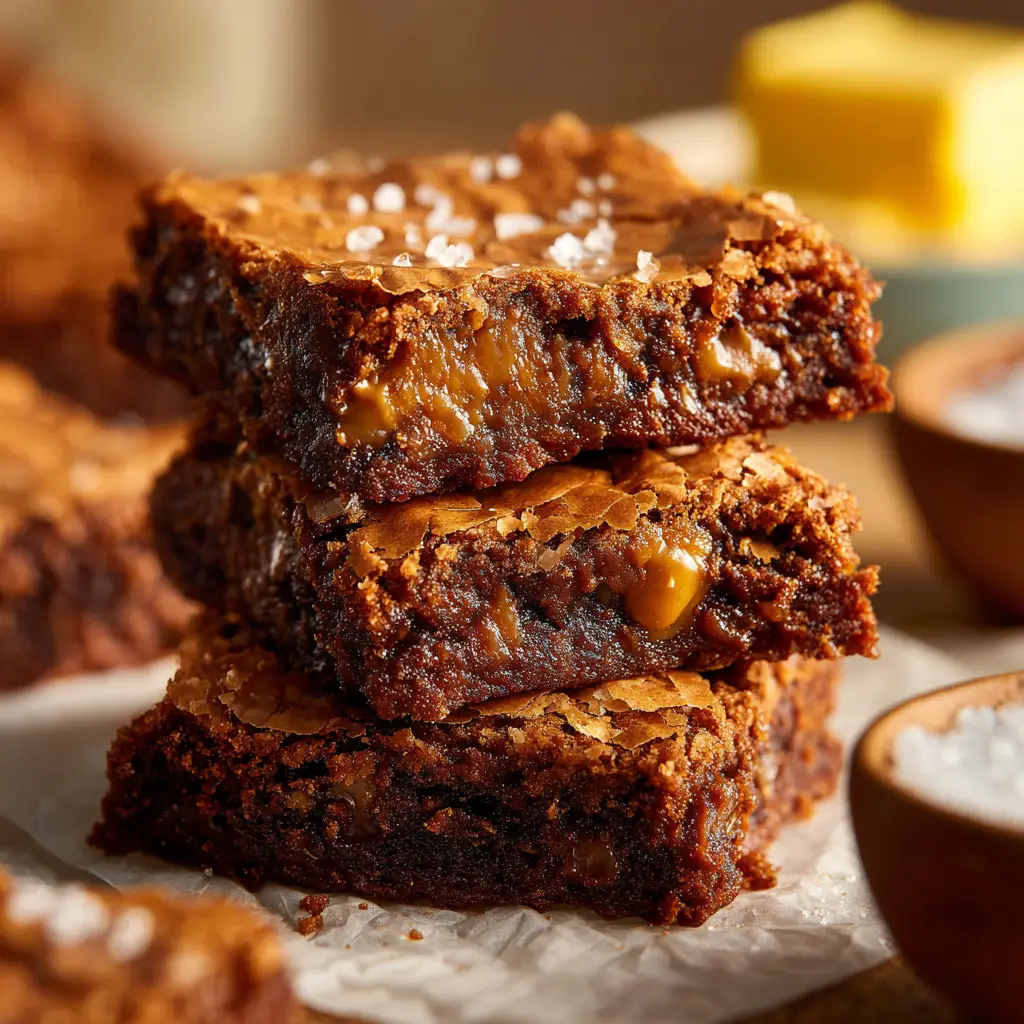
Pro Tips for Perfect Butterscotch Brownies
Want to elevate your brownie game? Here are a few expert tips.
Don’t Overmix the Batter
Once you add the flour, mix only until it’s just incorporated. Overmixing develops the gluten in the flour, which will result in a tougher, more cake-like brownie. For a truly tender crumb, less is more.
Use Room Temperature Eggs
Room temperature eggs mix more evenly into the batter, creating a smoother, more uniform texture. They also trap air better, which contributes to a slightly lighter, yet still fudgy, final product. If you love rich, chewy desserts, you should try these Peanut Butter Crunch Brownies next!
How to Tell When They’re Done
The toothpick test is key. You want moist, fudgy crumbs clinging to the toothpick. If it comes out clean, they are likely overbaked. If it comes out with wet batter, they need a few more minutes. Watch them closely in the final minutes of baking.
Variations and Add-Ins
While these brownies are incredible on their own, they are also a fantastic canvas for other flavors. Try folding in 1 cup of butterscotch chips, white chocolate chips, or dark chocolate chips for extra decadence. For a delightful crunch, add 3/4 cup of toasted and chopped pecans or walnuts. For a truly show-stopping dessert, consider this Caramel Brownie Cheesecake which takes richness to a whole new level.
Storing Your Brownies
Store your Butterscotch Brownies in an airtight container at room temperature for up to 4 days. If you need to keep them longer, they also freeze beautifully. Simply wrap them tightly in plastic wrap and then place them in a freezer-safe bag for up to 3 months. Let them thaw at room temperature before enjoying.
Frequently Asked Questions
You can, but it will change the flavor and texture. Dark brown sugar has a higher molasses content, which is essential for both the signature butterscotch taste and the extra chewy, moist texture. Using light brown sugar will result in a less flavorful and slightly less chewy brownie.
The key to chewy brownies is using melted butter (not creamed), dark brown sugar for moisture, and being careful not to overbake them. Pulling them from the oven when the center is still slightly gooey ensures they will set into a perfectly chewy bar.
The best way to check is with a toothpick. Insert it into the center of the pan; it should come out with moist, fudgy crumbs attached. If it comes out with wet batter, they need more time. If it’s completely clean, they may be overbaked.
Store them in an airtight container at room temperature for up to 4 days. This will keep them soft and prevent them from drying out.
The main difference is the sugar. A traditional butterscotch brownie, like this recipe, uses dark brown sugar to create a deep, molasses-like butterscotch flavor. A blondie typically uses light brown or white sugar, resulting in a lighter, more vanilla-forward flavor.
Enjoy This Butterscotch Delight!
This chewy Butterscotch Brownies recipe is a true keeper. It’s a simple, comforting dessert that always satisfies. We hope you love making and sharing these delicious treats! If you make this recipe, let us know how it turned out in the comments below, and don’t forget to save it to Pinterest!
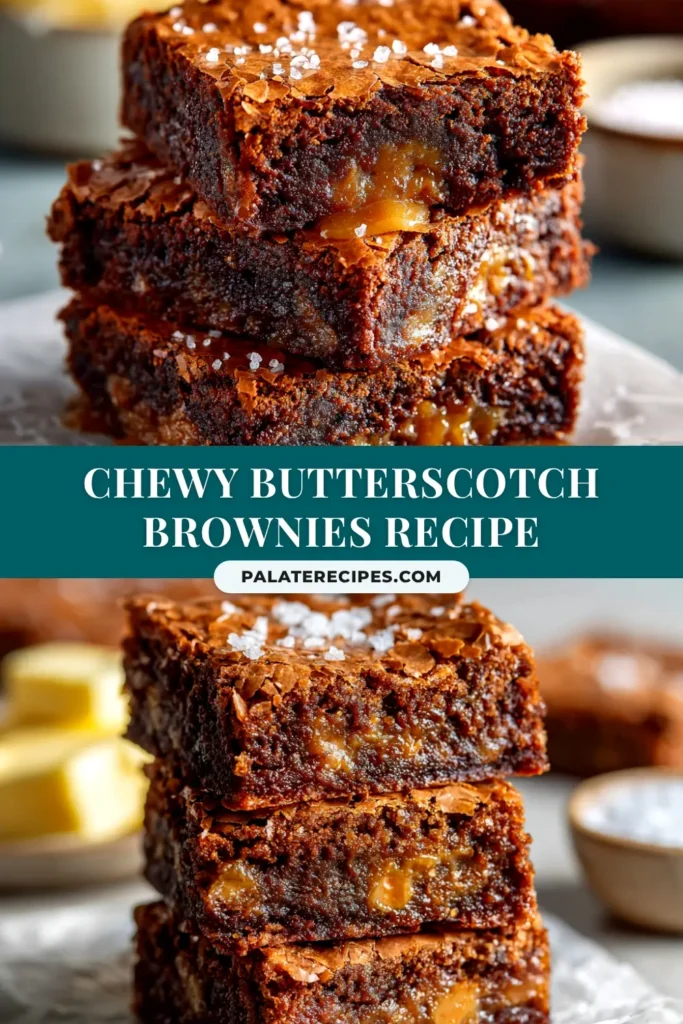
Butterscotch Brownies Recipe
Butterscotch Brownies: The Ultimate Chewy Recipe
Ingredients
Equipment
Method
- Preheat your oven to 350°F (175°C). Grease an 8x8 inch baking pan and line with parchment paper, leaving an overhang on two sides.
- In a medium saucepan, melt the butter over low heat. Remove from heat and stir in the dark brown sugar until combined. Let cool for a few minutes.
- Whisk the egg and vanilla extract into the butter and sugar mixture until smooth and glossy.
- In a separate bowl, whisk together the all-purpose flour, baking powder, and salt.
- Gently fold the dry ingredients into the wet ingredients until just combined. Do not overmix.
- Pour the batter into the prepared pan and spread evenly. Bake for 22-25 minutes, or until a toothpick inserted into the center comes out with moist crumbs.
- Let the brownies cool completely in the pan on a wire rack before lifting out and cutting into squares.
Notes
Do not overbake! The key to a chewy texture is to pull them from the oven when they are slightly underdone in the center.