Mastering the art of the homemade pie crust is a game-changer for any home baker. Forget the store-bought versions that lack flavor and texture. This guide will walk you through creating a perfectly flaky, wonderfully buttery pie dough every single time. It’s simpler than you think and forms the foundation for countless delicious pies, from a classic pumpkin pie to a savory quiche.
This recipe is designed to be your go-to, no-fail method. We’ll cover the essential ingredients, the techniques for achieving that coveted flaky texture, and troubleshooting tips to ensure your success. Get ready to elevate your baking with a crust that’s as memorable as the filling it holds.
Why This Is the Best Homemade Pie Crust Recipe
There are countless pie crust recipes out there, but this one stands out for its simplicity and reliability. We use all butter for the best possible flavor and a food processor method for speed and ease, though a by-hand method is also included. This recipe focuses on the critical techniques, like keeping your ingredients cold, that guarantee a tender, flaky result instead of a tough, chewy one. It’s the perfect, versatile base for any sweet or savory dish you can dream of.
The Key Ingredients
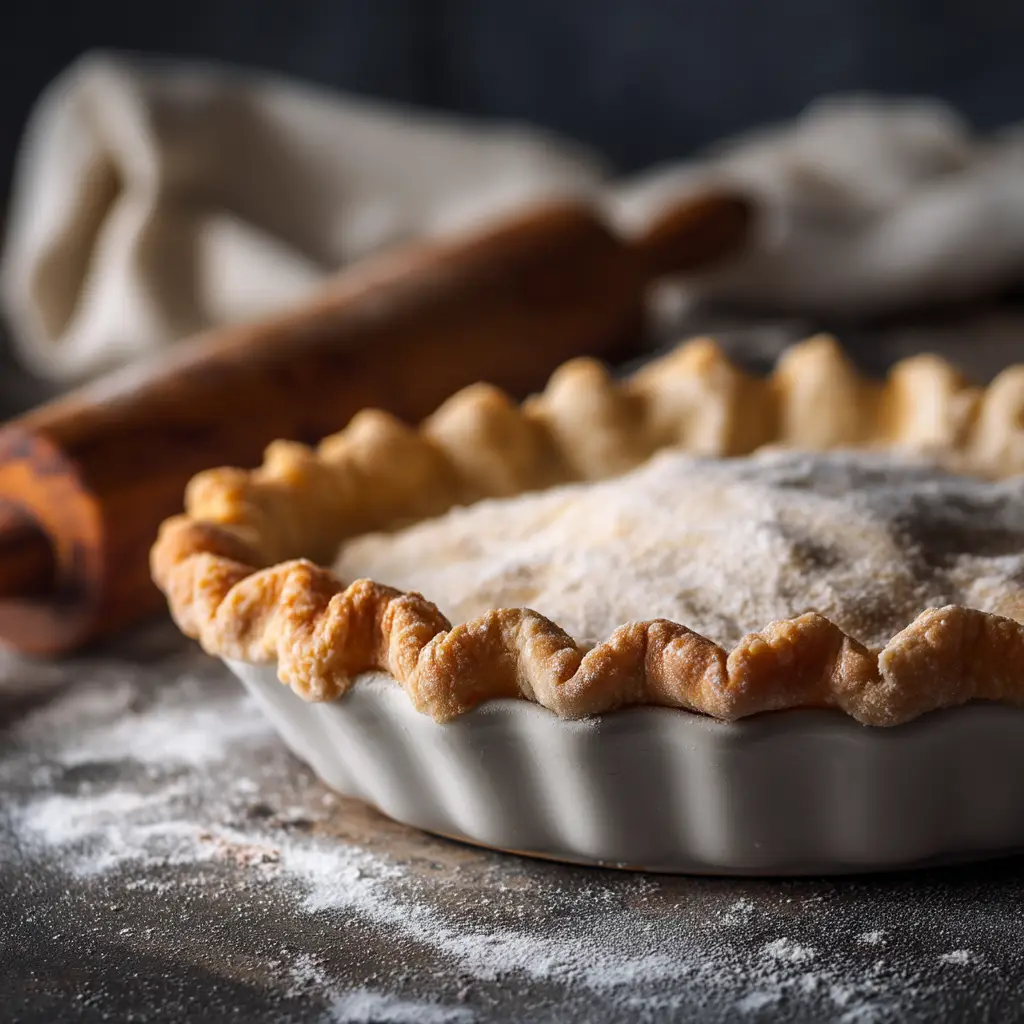
A perfect pie crust requires just a few simple, high-quality ingredients. The magic isn’t in a long list of items, but in how you handle them.
- All-Purpose Flour: Provides the structure for the dough. No need for anything fancy here.
- Unsalted Butter: The star of the show! It must be very cold and cut into cubes. Cold butter creates steam pockets as it bakes, which results in those delicious flaky layers.
- Ice Water: The key to keeping the butter solid and hydrating the flour just enough to form a dough. Add it one tablespoon at a time.
- Salt: Essential for flavor. Don’t skip it, as it balances the richness of the butter.
- Optional Sugar: A teaspoon of sugar can be added for a bit of flavor and to help with browning, especially for sweet pies.
How to Make Homemade Pie Crust (Step-by-Step)
Follow these precise steps for a flawless homemade pie crust. The key at every stage is to work quickly and keep everything as cold as possible.
Step 1: Combine the Dry Ingredients
In the bowl of a food processor, add the flour and salt (and sugar, if using). Pulse 2-3 times just to combine them evenly.
Step 2: Cut in the Cold Butter
Scatter the cold, cubed butter over the flour mixture. Pulse the food processor about 8-10 times, in 1-second bursts, until the butter is broken down into pea-sized pieces. Don’t over-mix; those visible pieces of butter are crucial for flakiness.
Step 3: Add the Ice Water
Sprinkle 3 tablespoons of ice water over the flour and butter mixture. Pulse again in short bursts until the dough just starts to come together. It will still look crumbly, but if you can squeeze a bit together and it holds, it’s ready. If it’s too dry, add more ice water, 1 teaspoon at a time, pulsing once after each addition.
Step 4: Form and Chill the Dough
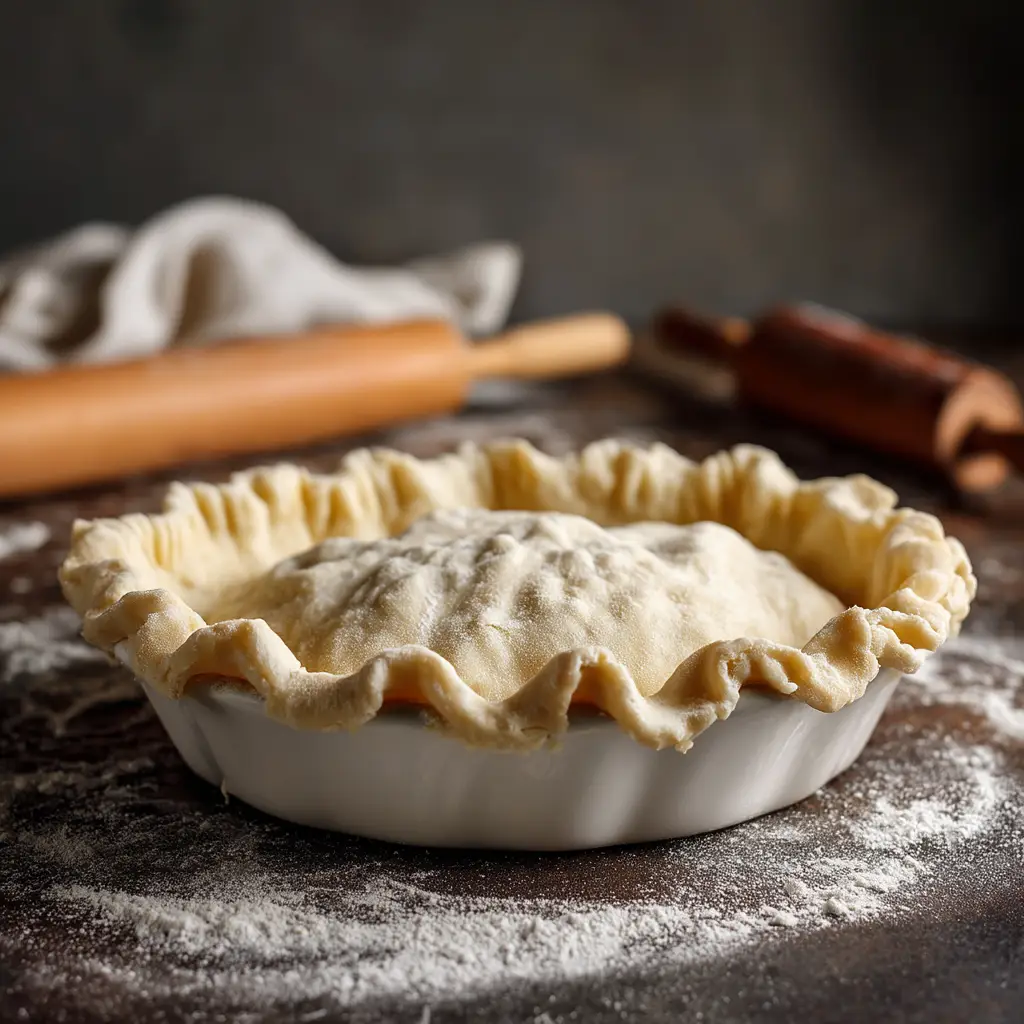
Turn the crumbly dough out onto a clean surface. Do not knead it! Use your hands to quickly press and gather the dough into a ball. Flatten it into a 1-inch thick disc, wrap it tightly in plastic wrap, and refrigerate for at least 1 hour, or up to 2 days. This chilling step is non-negotiable—it allows the gluten to relax (preventing a tough crust) and ensures the butter is firm.
Step 5: Roll and Shape
Once chilled, let the dough sit at room temperature for 5-10 minutes to become slightly more pliable. On a lightly floured surface, roll the dough out from the center, turning it a quarter turn after each roll to maintain a circular shape. Roll it into a circle about 12 inches in diameter. Carefully transfer the dough to a 9-inch pie plate. Trim the edges to leave about a 1-inch overhang, then fold the overhang under and crimp the edges as desired.
Essential Tips for a Perfect, Flaky Pie Crust
Making a great homemade pie crust comes down to a few key principles. Keep these tips in mind for guaranteed success.
- Keep Everything Cold: Your butter, your water, and even your hands and equipment should be as cold as possible. If your kitchen is warm, you can even chill the flour beforehand.
- Don’t Overwork the Dough: Overworking develops gluten, which leads to a tough, chewy crust. Mix just until the dough comes together and handle it as little as possible.
- Let it Rest: Chilling the dough is crucial. This “resting” period lets the gluten relax and the butter firm up, which prevents shrinking and ensures a tender, flaky texture.
- To Blind Bake or Not?: For pies with very wet fillings (like pumpkin or custard), you’ll need to “blind bake” the crust first to prevent it from getting soggy. To do this, line the chilled crust with parchment paper, fill with pie weights or dried beans, and bake at 400°F (200°C) for 15 minutes. Remove the weights and paper, and bake for another 5-7 minutes until lightly golden.
This crust is the perfect base for so many recipes, from a comforting beef pot pie to a stunning pecan pie cheesecake.
Storing Your Pie Dough
One of the best things about this recipe is that you can make it ahead of time. Properly wrapped, the pie dough will keep in the refrigerator for up to 3 days. For longer storage, you can freeze the dough disc for up to 3 months. Just thaw it in the refrigerator overnight before rolling it out. This is perfect for holiday baking or for when you want a delicious dessert like apple fritter bread on short notice.
FAQs
Absolutely! This is a great make-ahead recipe. You can store the dough disc, tightly wrapped in plastic, in the refrigerator for up to 3 days or in the freezer for up to 3 months. Thaw frozen dough in the fridge overnight before using.
You only need to blind bake (pre-bake) the crust if you’re making a pie with a very wet, custard-style filling, like pumpkin pie or quiche. This prevents the bottom from getting soggy. For pies with fillings that cook with the crust, like apple pie, you do not need to blind bake.
This is a classic debate! Shortening can make a slightly more tender crust, but all-butter crusts, like this recipe, have far superior flavor. We believe the rich, buttery taste is well worth it and you can still achieve incredible flakiness with proper technique.
Shrinking is usually caused by overworking the dough, which develops too much gluten. To prevent this, handle the dough as little as possible and, most importantly, let it rest in the refrigerator for at least 1 hour before rolling. This allows the gluten to relax.
A tough crust is the result of two main things: overworking the dough or not using cold enough ingredients. Using ice-cold butter and water, and mixing just until the dough comes together, is essential for a tender, flaky texture.
Share Your Creations!
We are confident this will become your favorite homemade pie crust recipe. It’s a foundational skill that opens up a world of baking possibilities. Give it a try and let us know what you create in the comments below. Don’t forget to save this recipe to your favorite board on Pinterest!

Homemade Pie Crust Recipe
Homemade Pie Crust: The Ultimate Guide to Flaky, Buttery Perfection
Ingredients
Equipment
Method
- In a food processor, add the flour, salt, and optional sugar. Pulse 2-3 times to combine.
- Add the cold, cubed butter. Pulse in 1-second bursts for 8-10 times, until the butter is the size of small peas.
- Sprinkle 3 tablespoons of ice water over the mixture. Pulse until the dough just begins to clump together. If needed, add more water, 1 teaspoon at a time.
- Turn the dough onto a clean surface, gather into a ball (do not knead), and flatten into a 1-inch disc. Wrap tightly in plastic and refrigerate for at least 1 hour.
- On a lightly floured surface, roll the chilled dough into a 12-inch circle. Transfer to a 9-inch pie plate. Trim the overhang to 1 inch, fold under, and crimp the edges.
- Use the crust as your favorite pie recipe directs. For pies with wet fillings, blind bake at 400°F (200°C) for 15-20 minutes.
Notes
Keeping all your ingredients, especially the butter and water, as cold as possible is the key to a flaky crust.