There’s something incredibly satisfying about a perfectly cooked Japanese Katsu Bowl recipe. It’s a symphony of textures and flavors—from the shatteringly crisp, panko-crusted pork cutlet to the savory-sweet katsu sauce and the fluffy steamed rice beneath. This isn’t just a meal; it’s a comforting experience that rivals any restaurant dish, and you can easily make it in your own kitchen. Whether you’re a seasoned fan of Japanese cuisine or looking for a new and exciting weeknight dinner, this recipe will guide you every step of the way.
We’ll break down the process into simple, manageable steps, ensuring your katsu is golden and juicy, your sauce is perfectly balanced, and your bowl is assembled for the perfect bite, every time. Get ready to create a meal that will have everyone asking for seconds.
What is a Katsu Bowl?
A katsu bowl, or Katsudon, is a popular Japanese rice bowl dish. The name itself tells you what it is: “katsu” refers to the deep-fried cutlet, and “don” (from donburi) means rice bowl. Typically, it consists of a breaded and fried pork cutlet (Tonkatsu) that’s sliced and served over a bed of steamed rice. Often, the dish also includes a sweet and savory sauce, and sometimes a layer of egg and onions simmered in dashi broth. Our version focuses on the classic combination of crispy katsu, tangy sauce, and fresh garnishes for a clean yet deeply satisfying flavor.
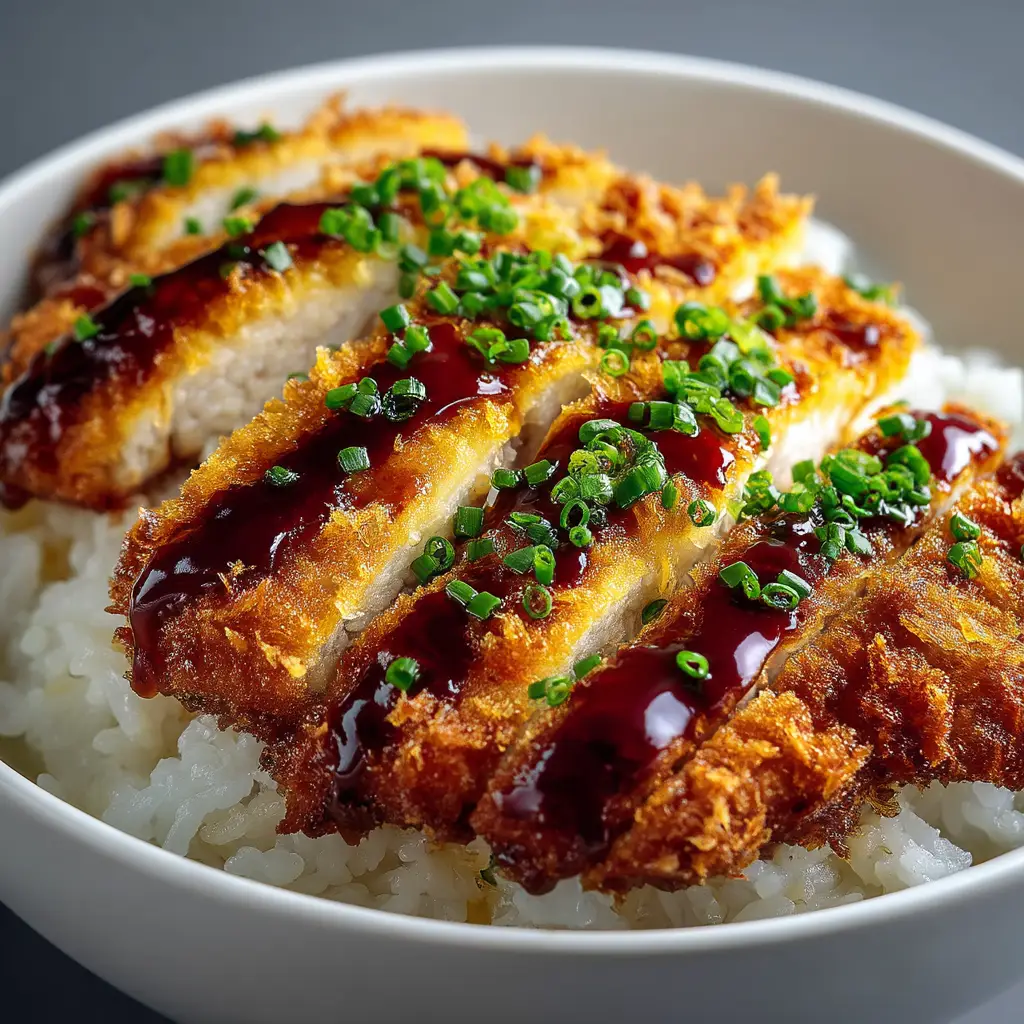
Why You’ll Love This Japanese Katsu Bowl Recipe
- Incredibly Crispy: We use a specific technique with panko breadcrumbs to achieve that signature, audible crunch that makes katsu so irresistible.
- Flavorful & Juicy Pork: By properly preparing the pork cutlets, we ensure they remain tender and juicy on the inside while the outside gets perfectly golden.
- Simple Homemade Sauce: Our easy-to-make katsu sauce uses just a few pantry staples but delivers that authentic, complex flavor that perfectly complements the pork. It’s so much better than store-bought!
- Customizable: This recipe is a fantastic base. You can serve it simply with rice and cabbage or add your favorite toppings like pickled ginger, sesame seeds, or a drizzle of Japanese mayo. For another delicious bowl idea, check out this Shrimp and Avocado Bowl recipe.
The Key Ingredients for a Perfect Katsu Bowl
The beauty of this recipe lies in its simplicity. High-quality ingredients are key to achieving the best flavor and texture. Here’s what you’ll need.
For the Tonkatsu (Pork Cutlet)
- Pork Loin Cutlets: Look for boneless, center-cut loin chops about ½ to ¾-inch thick. This cut is lean but tender, perfect for frying.
- All-Purpose Flour: This creates a dry surface for the egg to adhere to, which is crucial for the breading to stick.
- Egg: The binder that holds the crispy panko coating onto the pork.
- Panko Breadcrumbs: This is non-negotiable for authentic katsu! These Japanese-style breadcrumbs are lighter and flakier than traditional breadcrumbs, which makes for a much crispier crust.
- Salt and Black Pepper: For seasoning the pork directly.
- Neutral Oil for Frying: Use an oil with a high smoke point, such as canola, vegetable, or peanut oil.
For the Katsu Sauce
- Ketchup: Forms the sweet and tangy base of the sauce.
- Worcestershire Sauce: Adds a deep, savory, and slightly funky umami flavor.
- Oyster Sauce: Provides a rich, savory, and slightly sweet seafood note that adds incredible depth. If you enjoy this flavor profile, you might also like these Honey Garlic Shrimp.
- Sugar: Balances the acidity and savory elements.
For Assembly
- Steamed Short-Grain Rice: The essential foundation of the bowl. Japanese short-grain rice is best for its slightly sticky texture.
- Green Cabbage: Very thinly shredded cabbage adds a refreshing, crisp contrast to the rich pork.
- Optional Garnishes: Toasted sesame seeds, chopped scallions, or pickled ginger.
How to Make the Ultimate Japanese Katsu Bowl Recipe
Follow these steps carefully for a flawless result. We’ll prepare the sauce first, then the pork, and finally assemble our delicious bowls.
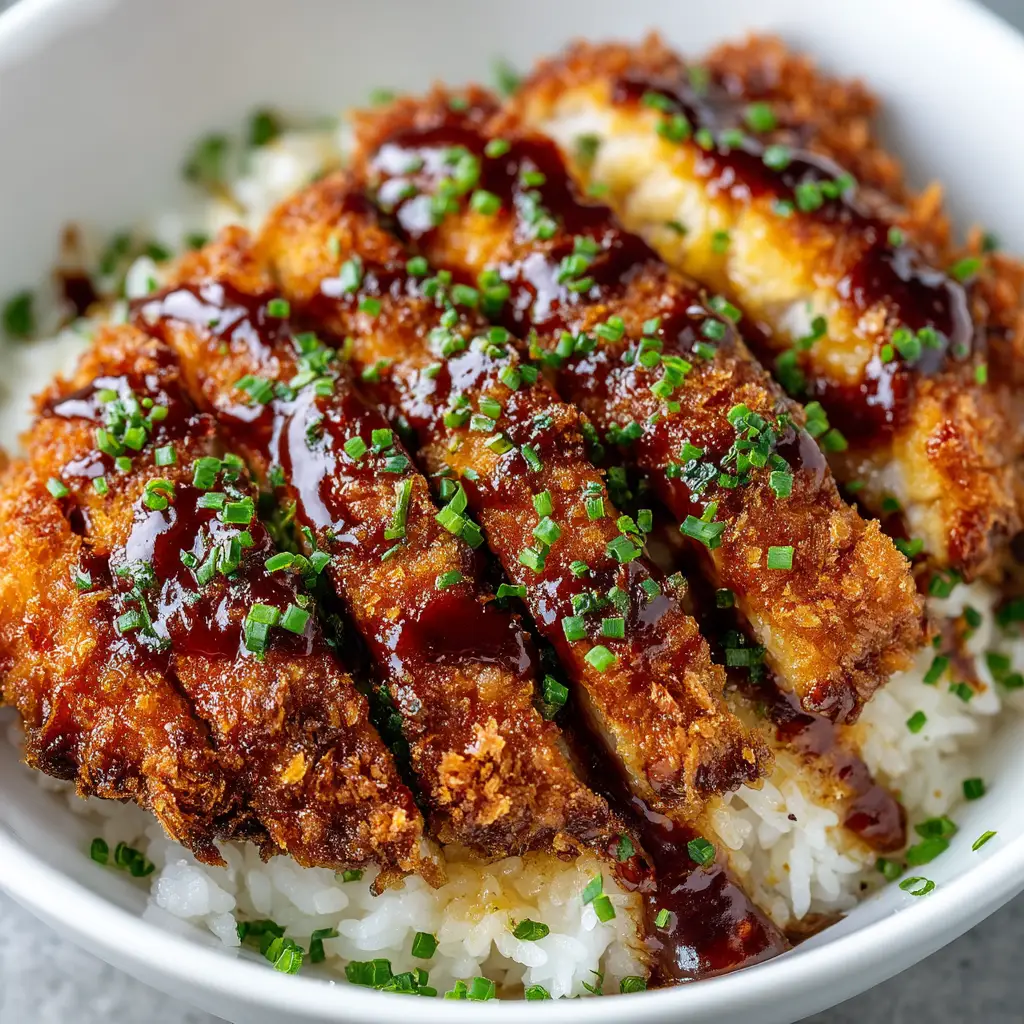
Step 1: Prepare the Homemade Katsu Sauce
In a small bowl, whisk together the ketchup, Worcestershire sauce, oyster sauce, and sugar until the sugar is completely dissolved. Set it aside to allow the flavors to meld together. This can be made a day or two ahead and stored in the refrigerator.
Step 2: Prepare the Pork Cutlets
Pat the pork cutlets dry with a paper towel. If they are thicker than ¾-inch, you can gently pound them to an even thickness. Make a few shallow cuts along the edge of the fat cap—this prevents the pork from curling up as it fries. Season both sides of the cutlets generously with salt and pepper.
Step 3: Set Up Your Breading Station
You’ll need three shallow dishes. Place the all-purpose flour in the first dish. In the second, beat the egg until it’s uniform. In the third dish, spread out the panko breadcrumbs. This assembly line makes the breading process clean and efficient. Creating a crispy coating is an art, similar to what’s needed for Crispy Chicken Wraps.
Step 4: Bread the Pork
Working with one cutlet at a time, dredge it in the flour, making sure to coat it completely. Shake off any excess. Next, dip the floured pork into the beaten egg, letting any excess drip off. Finally, press the cutlet firmly into the panko breadcrumbs, ensuring an even and thick coating on all sides. Place the breaded cutlets on a wire rack.
Step 5: Fry the Tonkatsu
In a large skillet or Dutch oven, heat about 1-2 inches of neutral oil to 340-350°F (170-175°C). If you don’t have a thermometer, you can test the oil by dropping in a panko breadcrumb; it should sizzle vigorously and turn golden brown in about 30-45 seconds. Carefully place one or two breaded cutlets into the hot oil, being sure not to overcrowd the pan. Fry for about 3-4 minutes per side, until deep golden brown and cooked through. The internal temperature should reach 145°F (63°C).
Step 6: Rest and Slice
Once cooked, remove the katsu from the oil and let it drain on a wire rack. Resting is crucial—it allows the juices in the pork to redistribute, keeping it moist. After a few minutes of resting, slice the katsu into ½-inch wide strips.
Step 7: Assemble Your Katsu Bowl
To assemble, fill a bowl with a generous portion of steamed rice. Top it with a handful of thinly shredded cabbage. Arrange the sliced tonkatsu over the cabbage. Drizzle generously with your homemade katsu sauce. Garnish with toasted sesame seeds and chopped scallions, if desired. Serve immediately and enjoy the crunch!
Tips for Success
- Don’t Skip the Panko: For that authentic crispy texture, panko breadcrumbs are a must. Regular breadcrumbs will result in a denser, less crispy crust.
- Maintain Oil Temperature: If the oil is too hot, the panko will burn before the pork cooks. If it’s too cool, the katsu will absorb too much oil and become greasy. Use a thermometer for the best results.
- Shred Cabbage Thinly: Use a mandoline or a very sharp knife to get paper-thin shreds of cabbage. This provides the best texture contrast.
- Rest the Meat: Placing the fried katsu on a wire rack instead of paper towels prevents the bottom from getting soggy and helps it stay crispy.
What to Serve with Your Katsu Bowl
While this Japanese Katsu Bowl recipe is a complete meal on its own, it also pairs wonderfully with a few simple sides. Consider serving it with a bowl of miso soup, some Japanese pickles (tsukemono), or a side of steamed edamame. For a veggie-packed meal, a side of sautéed vegetables would also be a fantastic addition.
Absolutely! To make a Chicken Katsu Bowl, simply substitute the pork cutlets with boneless, skinless chicken breasts pounded to an even thickness. The cooking time may be slightly shorter, so cook until the chicken reaches an internal temperature of 165°F (74°C).
The key to extra crispy katsu is using panko breadcrumbs, not regular breadcrumbs. Also, ensure your oil is at the correct temperature (340-350°F / 170-175°C). After frying, let the katsu rest on a wire rack, not paper towels, to prevent the bottom from becoming soggy.
Store leftover katsu separately from the rice and sauce in an airtight container in the refrigerator for up to 2 days. For the best results, reheat the katsu in an air fryer or oven at 375°F (190°C) for 5-7 minutes until it’s heated through and crispy again. Microwaving is not recommended as it will make the breading soggy.
Katsu sauce is a sweet and savory sauce typically made from a base of ketchup or tomato puree, Worcestershire sauce, oyster sauce, and sugar. It has a tangy flavor that perfectly complements the rich, fried cutlet.
Katsu is the general term for a Japanese deep-fried cutlet of meat or seafood made with panko breadcrumbs. Tonkatsu specifically refers to a katsu made from pork (ton means pork).
Absolutely! To make a Chicken Katsu Bowl, simply substitute the pork cutlets with boneless, skinless chicken breasts pounded to an even thickness. The cooking time may be slightly shorter, so cook until the chicken reaches an internal temperature of 165°F (74°C).
The key to extra crispy katsu is using panko breadcrumbs, not regular breadcrumbs. Also, ensure your oil is at the correct temperature (340-350°F / 170-175°C). After frying, let the katsu rest on a wire rack, not paper towels, to prevent the bottom from becoming soggy.
Store leftover katsu separately from the rice and sauce in an airtight container in the refrigerator for up to 2 days. For the best results, reheat the katsu in an air fryer or oven at 375°F (190°C) for 5-7 minutes until it’s heated through and crispy again. Microwaving is not recommended as it will make the breading soggy.
Katsu sauce is a sweet and savory sauce typically made from a base of ketchup or tomato puree, Worcestershire sauce, oyster sauce, and sugar. It has a tangy flavor that perfectly complements the rich, fried cutlet.
Katsu is the general term for a Japanese deep-fried cutlet of meat or seafood made with panko breadcrumbs. Tonkatsu specifically refers to a katsu made from pork (ton means pork).
Love this Recipe? Share It!
If you enjoyed this Japanese Katsu Bowl recipe as much as we do, we’d love for you to share your creation! Leave a comment below with your experience or any fun twists you added. Don’t forget to save this recipe to your favorite board on Pinterest so you can find it easily next time. Your shares help us bring more delicious recipes to home cooks like you!
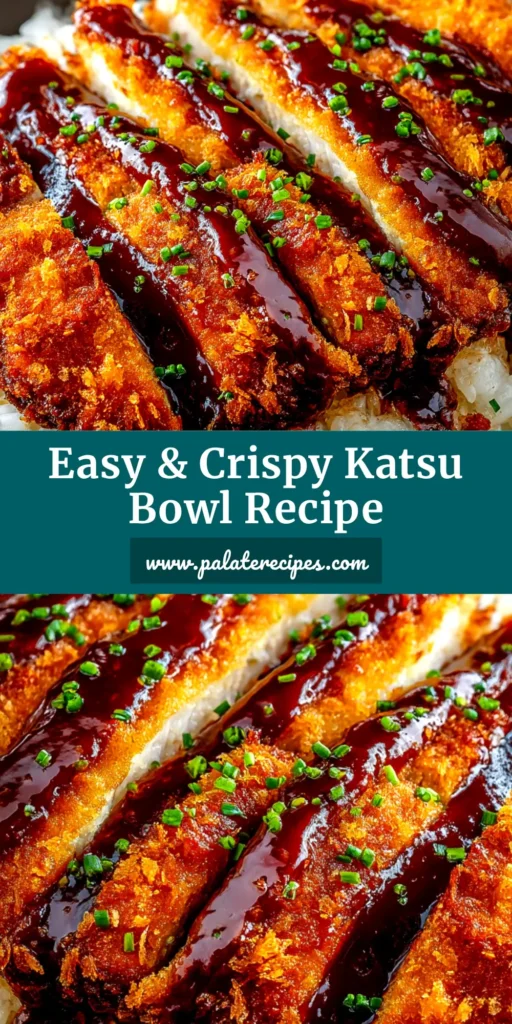
Japanese Katsu Bowl Recipe: The Ultimate Crispy Comfort Food
Learn to make the perfect Japanese Katsu Bowl at home! This recipe features a shatteringly crispy panko-crusted pork cutlet, fluffy rice, and a tangy homemade katsu sauce. An easy and authentic meal for any night of the week.
Ingredients
Equipment
Method
- In a small bowl, whisk together ketchup, Worcestershire sauce, oyster sauce, and sugar until fully combined. Set aside.
- Pat the pork cutlets dry. Make a few shallow cuts into the fat cap to prevent curling. Season both sides generously with salt and pepper.
- Arrange three shallow dishes. Place flour in the first, the beaten egg in the second, and panko breadcrumbs in the third.
- Dredge a pork cutlet in flour, shake off excess. Dip in egg, let excess drip off. Firmly press into the panko, coating completely. Place on a wire rack.
- Heat 1-2 inches of oil in a skillet to 340-350°F (170-175°C). Carefully place breaded pork in the oil and fry for 3-4 minutes per side, until golden brown and cooked through.
- Remove the katsu from the oil and let it drain and rest on a wire rack for a few minutes. Slice into 1/2-inch strips.
- Add steamed rice to a bowl, top with shredded cabbage. Arrange the sliced katsu over the cabbage. Drizzle with katsu sauce and garnish with sesame seeds and scallions.
Notes
Tip 1: Use a thermometer to monitor the oil temperature for perfectly crispy, non-greasy katsu.
Tip 2: Don't overcrowd the pan when frying. Cook the cutlets in batches if necessary to maintain the oil temperature.
Tip 3: Slicing the fat cap on the pork is a small step that makes a big difference in keeping the cutlet flat and evenly cooked.
Japanese Katsu Bowl Recipe: The Ultimate Crispy Comfort Food
Ingredients
Equipment
Method
- In a small bowl, whisk together ketchup, Worcestershire sauce, oyster sauce, and sugar until fully combined. Set aside.
- Pat the pork cutlets dry. Make a few shallow cuts into the fat cap to prevent curling. Season both sides generously with salt and pepper.
- Arrange three shallow dishes. Place flour in the first, the beaten egg in the second, and panko breadcrumbs in the third.
- Dredge a pork cutlet in flour, shake off excess. Dip in egg, let excess drip off. Firmly press into the panko, coating completely. Place on a wire rack.
- Heat 1-2 inches of oil in a skillet to 340-350°F (170-175°C). Carefully place breaded pork in the oil and fry for 3-4 minutes per side, until golden brown and cooked through.
- Remove the katsu from the oil and let it drain and rest on a wire rack for a few minutes. Slice into 1/2-inch strips.
- Add steamed rice to a bowl, top with shredded cabbage. Arrange the sliced katsu over the cabbage. Drizzle with katsu sauce and garnish with sesame seeds and scallions.
Notes
Tip 2: Don't overcrowd the pan when frying. Cook the cutlets in batches if necessary to maintain the oil temperature.
Tip 3: Slicing the fat cap on the pork is a small step that makes a big difference in keeping the cutlet flat and evenly cooked.