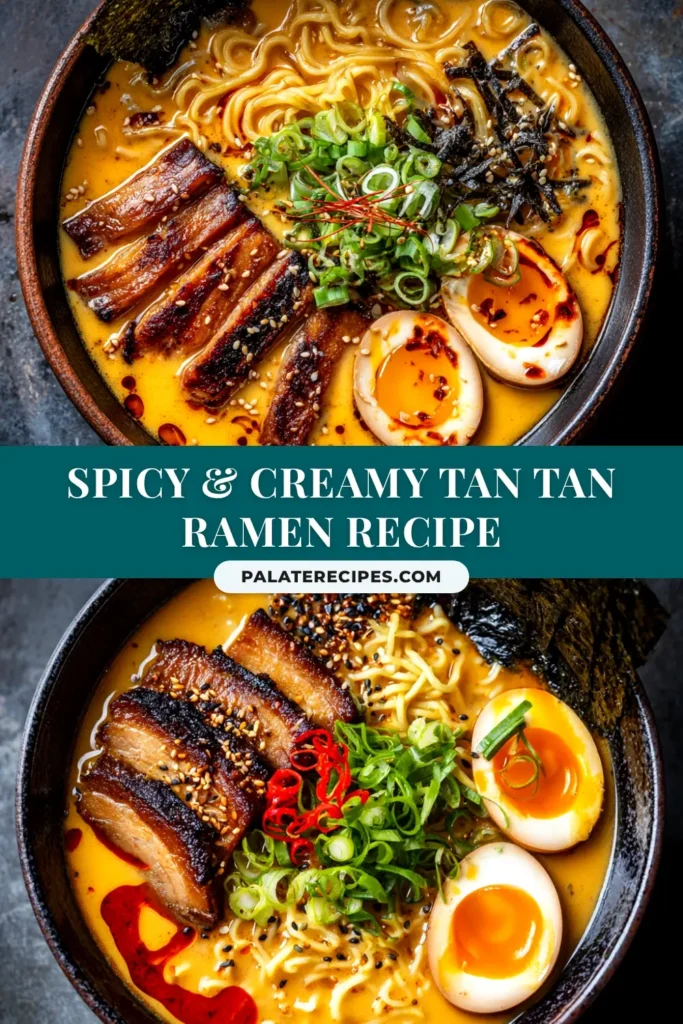
Craving that deeply satisfying, slurp-worthy bowl of ramen you love from your favorite restaurant? This Tan Tan Ramen recipe is your ticket to recreating that magic right in your own kitchen. Forget bland, one-note broths. We’re diving deep into the world of rich, nutty sesame, a gentle hum of spice from homemade chili oil, and savory ground pork all mingling in a creamy, luscious soup. This guide will walk you through every step, demystifying the process and guaranteeing a perfect bowl every single time. Get ready to impress yourself, your family, and anyone lucky enough to get a taste.
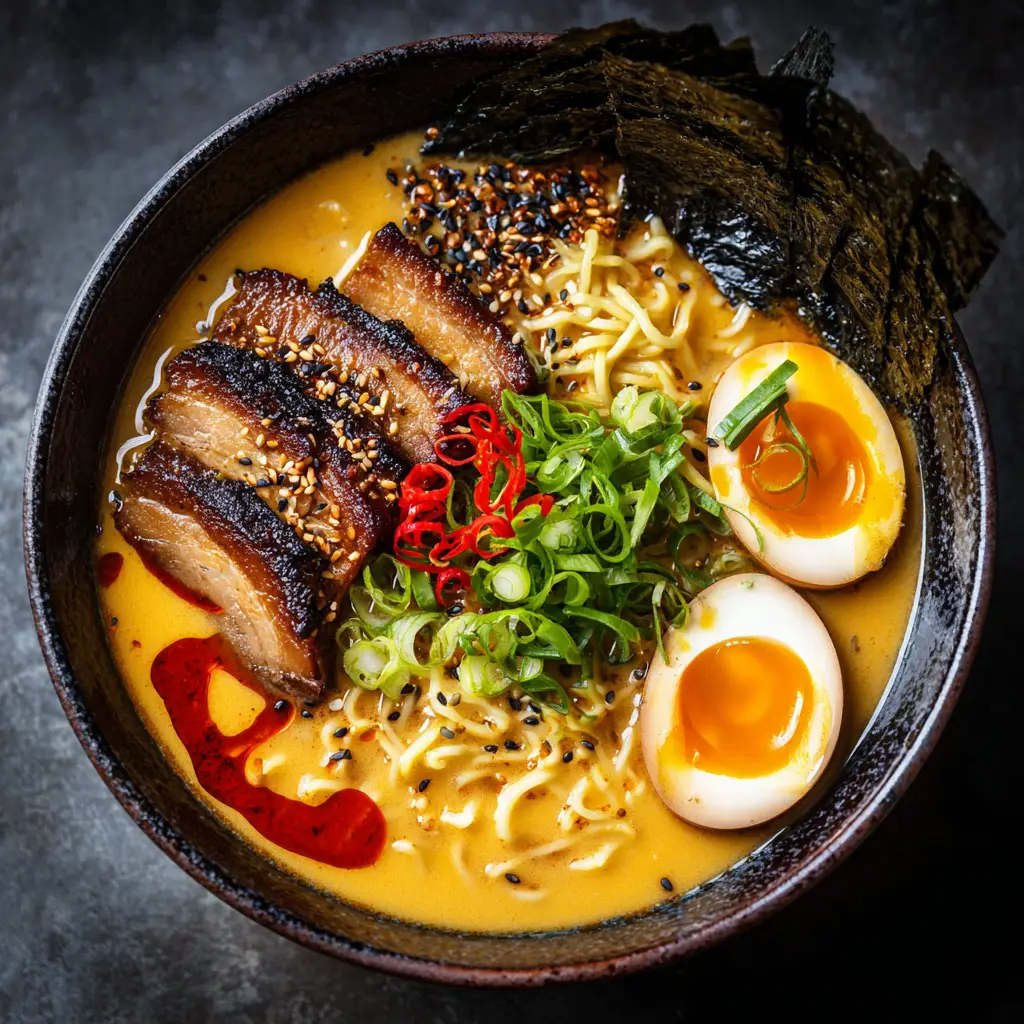
What is Tan Tan Ramen?
Tan Tan Ramen, or Tantanmen, is a Japanese noodle soup that finds its roots in Chinese Sichuan cuisine, specifically from a dish called Dandanmian. While Dandanmian is typically served with minimal broth or as a “dry” noodle dish, the Japanese adaptation evolved into a full-fledged ramen bowl with a rich, soupy base. The signature flavor profile is a masterful blend of nutty and creamy notes from sesame paste (tahini or Chinese sesame paste), a savory depth from soy sauce and chicken broth, and a vibrant, aromatic heat from chili oil.
The Four Pillars of Perfect Tan Tan Ramen
Mastering this Tan Tan Ramen recipe comes down to understanding its four core components. Each one is simple to make on its own, but together they create an incredible symphony of flavor.
The Aromatic Chili Oil (La-yu)
This isn’t just about heat; it’s about flavor. We’ll infuse oil with aromatics like garlic, ginger, and Sichuan peppercorns to create a fragrant, flavorful chili oil that provides the foundational layer of spice.
The Creamy Sesame Tare
The “tare” is the seasoning base of the ramen. For Tan Tan Ramen, this is a rich and creamy mixture of sesame paste, soy sauce, and other seasonings that gets ladled into the bottom of the bowl before the broth.
The Rich and Savory Broth
While some recipes call for complex, day-long broths, our version uses quality store-bought chicken or vegetable broth as a base. We then infuse it with flavor, creating a simple yet deeply savory soup that perfectly complements the other components.
The Flavorful Ground Pork Topping
The seasoned ground pork is the final piece of the puzzle. Sautéed with garlic, ginger, and a touch of soy sauce and miso, it adds a wonderful savory and textural element to the finished bowl.
Essential Ingredients for Tan Tan Ramen
Here’s what you’ll need to gather. We’ve broken it down by each component to keep things organized.
For the Spicy Ground Pork:
- 1 tbsp sesame oil
- 1 lb ground pork
- 2 cloves garlic, minced
- 1 inch ginger, grated
- 1 tbsp soy sauce
- 1 tsp doubanjiang (spicy bean paste)
- 1 tsp sugar
For the Broth & Tare:
- 1/2 cup Chinese sesame paste or tahini
- 1/4 cup soy sauce
- 2 tbsp rice vinegar
- 1 tbsp chili oil (plus more for serving)
- 8 cups low-sodium chicken or vegetable broth
- 1 cup unsweetened soy milk (for extra creaminess)
For Assembly:
- 4 servings of fresh or dried ramen noodles
- 4 soft-boiled eggs (Ajitsuke Tamago), optional
- 1 cup bok choy, blanched
- Scallions, thinly sliced for garnish
- Toasted sesame seeds for garnish
How to Make This Tan Tan Ramen Recipe: A Step-by-Step Guide
Follow these steps for a foolproof path to the best ramen you’ve ever made at home. For another fantastic noodle dish, check out our Creamy Lemon Garlic Pasta recipe.
- Cook the Ground Pork: Heat the sesame oil in a large skillet or wok over medium-high heat. Add the ground pork and cook, breaking it apart with a spoon, until browned and cooked through. Add the minced garlic and grated ginger, and cook for another minute until fragrant. Stir in the soy sauce, doubanjiang, and sugar. Cook for 2 more minutes until the sauce has thickened slightly. Remove from heat and set aside.
- Prepare the Tare: In a small bowl, whisk together the sesame paste, soy sauce, rice vinegar, and chili oil until smooth. This is the flavor base of your ramen. Divide this mixture evenly among four large ramen bowls.
- Heat the Broth: In a large pot, bring the chicken or vegetable broth to a simmer. Once simmering, stir in the unsweetened soy milk and heat through. Do not let it boil after adding the soy milk.
- Cook the Noodles: While the broth is heating, cook the ramen noodles according to package directions. Be careful not to overcook them; they should be firm and chewy. Drain the noodles well.
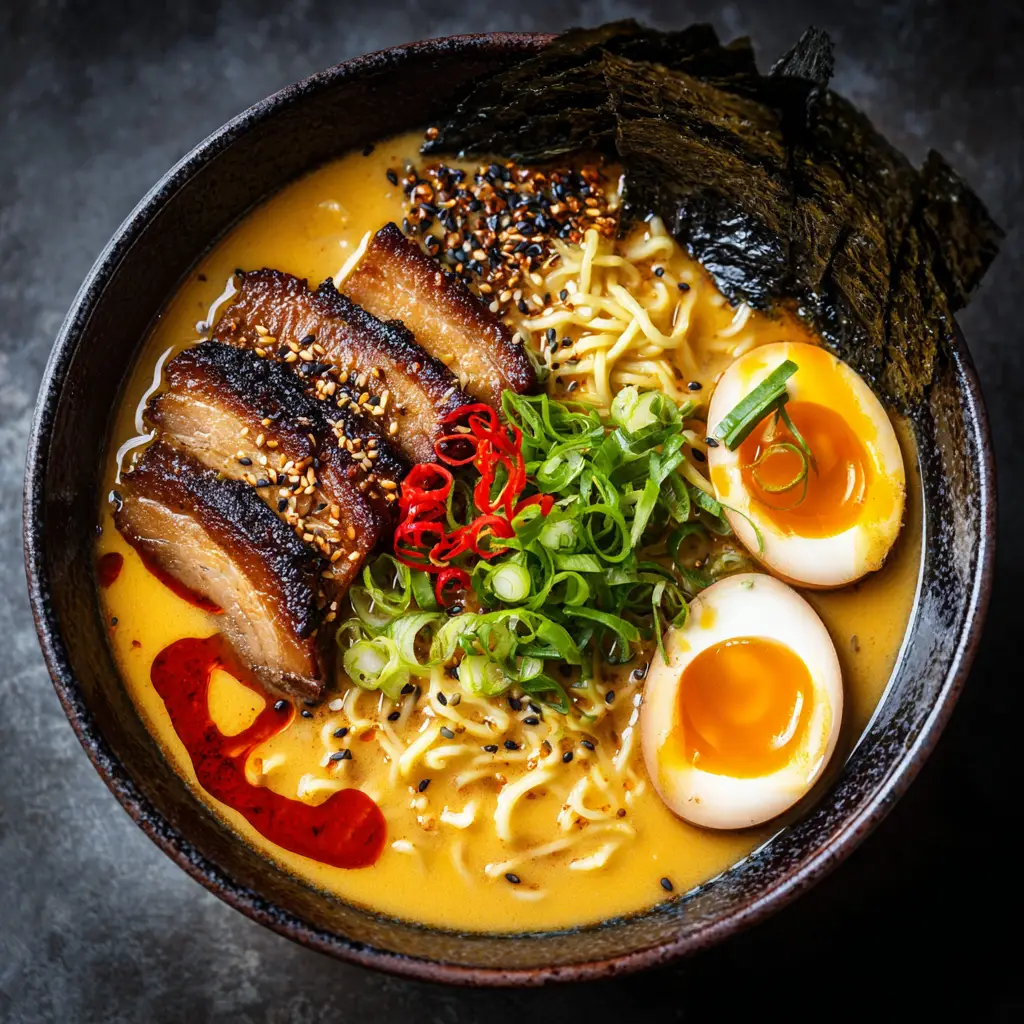
- Assemble Your Bowl: Pour about 2 cups of the hot broth into each bowl containing the tare. Stir vigorously to combine the broth and the sesame paste mixture until the soup is creamy and emulsified. Add the cooked noodles to each bowl. Top with a generous portion of the spicy ground pork, a soft-boiled egg, blanched bok choy, and a sprinkle of sliced scallions and sesame seeds. Drizzle with extra chili oil if you like it spicy!
Tips for Success
To ensure your ramen is top-tier, keep these tips in mind.
- Use Quality Ingredients: The final dish is only as good as its parts. Use a good quality sesame paste and fresh aromatics for the best flavor.
- Don’t Boil the Soy Milk: Adding the soy milk at the end and gently heating it prevents it from curdling, ensuring a smooth, creamy broth.
- Prep Ahead: You can make the ground pork mixture and the tare a day or two in advance to make assembly quick and easy. This makes it a great option, just like these Korean Beef Meal Prep Bowls (coming soon).
Customization & Variations
One of the best parts of making ramen at home is tailoring it to your taste.
Vegetarian or Vegan Tan Tan Ramen
To make a delicious vegan version, simply substitute the ground pork with crumbled firm tofu or plant-based ground “meat.” Sauté it the same way you would the pork. Use vegetable broth instead of chicken broth. The result is just as creamy and satisfying. If you’re looking for another plant-forward dish, try our Beet and Feta Salad.
Topping Ideas
Feel free to get creative with your toppings! Other great additions include corn, bamboo shoots, bean sprouts, or crispy garlic chips.
Adjusting the Spice Level
You have full control over the heat. The primary source of spice is the chili oil and the doubanjiang. Reduce the amount in the tare for a milder version, or serve extra chili oil on the side for those who want to turn up the heat.
Frequently Asked Questions
To make it vegan, use vegetable broth and substitute the ground pork with crumbled firm tofu, mushrooms, or a plant-based ground meat alternative. Ensure your ramen noodles do not contain egg.
It can be, but you can easily control the spice level. The heat comes from chili oil and spicy bean paste (doubanjiang). Our recipe allows you to adjust these ingredients to your preference, from mild to extra spicy.
If you can’t find Chinese sesame paste, high-quality, smooth tahini is an excellent substitute. It provides a similar nutty and creamy base for the broth’s tare.
Tan Tan Ramen has a unique and complex flavor profile. It’s very creamy and nutty from the sesame paste, savory from the soy sauce and pork, and has a pleasant, aromatic spiciness from the chili oil. It’s rich, comforting, and incredibly satisfying.
Tan Tan Ramen is the Japanese adaptation of Chinese Dandanmian. The main difference is that Tan Tan Ramen is served as a full soup with a rich broth, while traditional Dandanmian is a ‘dry’ noodle dish, served with a thick sauce and very little broth.
The Best Tan Tan Ramen Recipe
Tan Tan Ramen Recipe: The Ultimate Guide to Creamy & Spicy Noodles
Ingredients
Equipment
Method
- Cook the Ground Pork: Heat the sesame oil in a large skillet or wok over medium-high heat. Add the ground pork and cook, breaking it apart with a spoon, until browned and cooked through. Add the minced garlic and grated ginger, and cook for another minute until fragrant. Stir in the soy sauce, doubanjiang, and sugar. Cook for 2 more minutes until the sauce has thickened slightly. Remove from heat and set aside.
- Prepare the Tare: In a small bowl, whisk together the sesame paste, soy sauce, rice vinegar, and chili oil until smooth. This is the flavor base of your ramen. Divide this mixture evenly among four large ramen bowls.
- Heat the Broth: In a large pot, bring the chicken or vegetable broth to a simmer. Once simmering, stir in the unsweetened soy milk and heat through. Do not let it boil after adding the soy milk.
- Cook the Noodles: While the broth is heating, cook the ramen noodles according to package directions. Be careful not to overcook them; they should be firm and chewy. Drain the noodles well.
- Assemble Your Bowl: Pour about 2 cups of the hot broth into each bowl containing the tare. Stir vigorously to combine the broth and the sesame paste mixture until the soup is creamy and emulsified. Add the cooked noodles to each bowl. Top with a generous portion of the spicy ground pork, a soft-boiled egg, blanched bok choy, and a sprinkle of sliced scallions and sesame seeds. Drizzle with extra chili oil if you like it spicy!
Notes
Tip 2: You can make the spicy pork topping and the tare mixture up to 2 days in advance and store them in the refrigerator for a quick weeknight meal.
Tip 3: Don't pour the hot broth over the noodles. Always add the noodles to the prepared broth bowl to prevent them from becoming soggy.
We Hope You Love This Recipe!
This Tan Tan Ramen recipe is a true labor of love that pays off in every single spoonful. It’s the perfect dish for a cozy night in, a weekend project, or any time you’re craving a truly spectacular bowl of noodles. If you make it, we’d love to hear from you! Leave a comment below or share a picture of your beautiful creation on Pinterest.