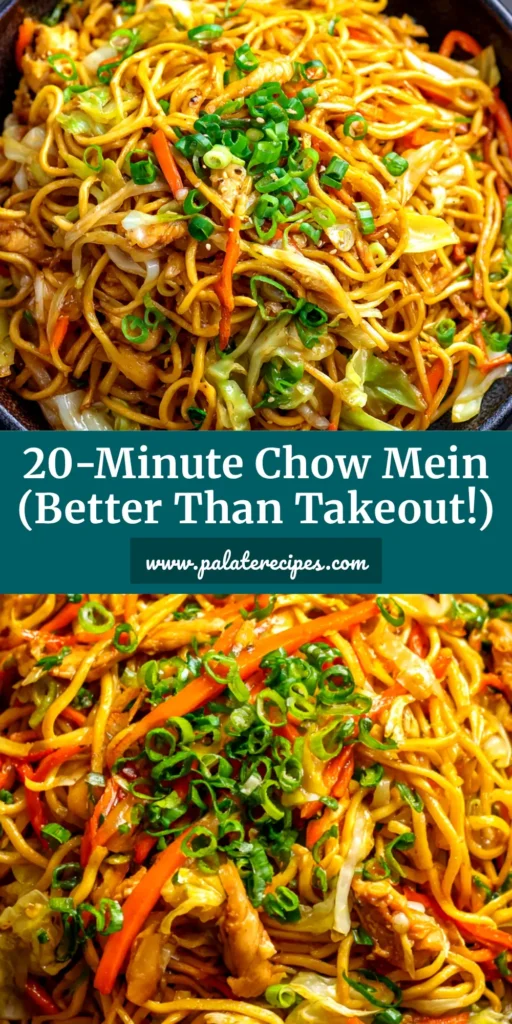
Craving a noodle dish that’s faster, fresher, and more flavorful than delivery? This easy Chow Mein Recipe is your answer. In less than 30 minutes, you can create a restaurant-quality meal right in your own kitchen. We’re talking perfectly stir-fried noodles, crisp-tender vegetables, and your favorite protein, all tossed in a savory sauce that will have you coming back for seconds. Forget the takeout menu; this is the only chow mein you’ll ever need.
This recipe is designed for busy weeknights but is special enough for a weekend meal. It’s incredibly versatile, allowing you to use chicken, beef, shrimp, or even just a mix of your favorite vegetables. We will walk through every step to ensure your homemade chow mein is a spectacular success.
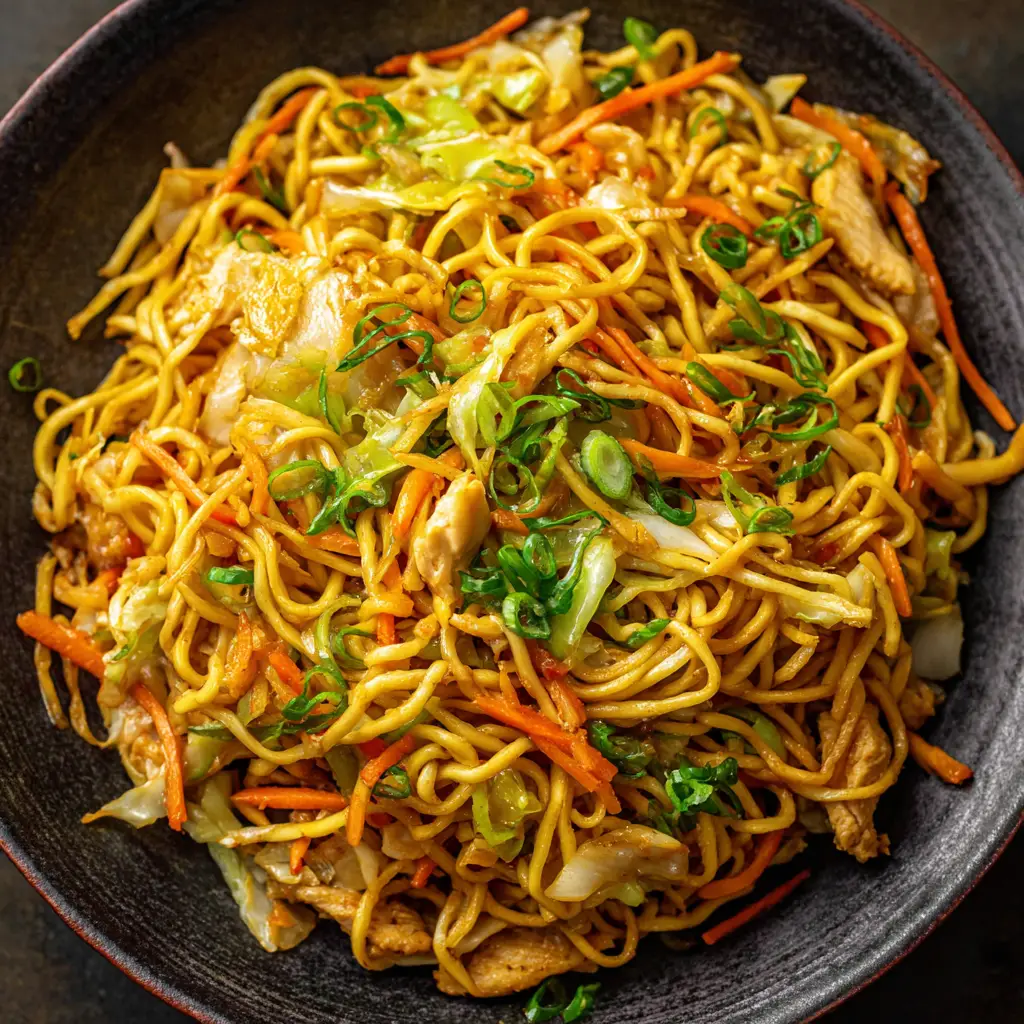
What is Chow Mein?
Chow Mein is a classic Chinese dish of stir-fried noodles. The name itself translates to “stir-fried noodles” (炒麵). Unlike other noodle dishes where noodles are often boiled and served with a sauce, chow mein involves cooking the noodles and then adding them to a hot wok or skillet with other ingredients like vegetables and protein to be fried together. This process gives the noodles a distinct, slightly crispy texture that is the signature of a great chow mein.
The Key Difference: Chow Mein vs. Lo Mein
The most common point of confusion is the difference between Chow Mein and Lo Mein. It all comes down to the preparation method. For Chow Mein, the noodles are par-boiled and then pan-fried, often until crispy. For Lo Mein, cooked noodles are simply tossed with the sauce and other ingredients at the very end of cooking, resulting in a softer, saucier dish. Think of it this way: “Chow” means fried, while “Lo” means tossed.
Why You’ll Love This Easy Chow Mein Recipe
- Quick and Easy: This entire meal comes together in under 30 minutes, making it perfect for a weeknight dinner.
- Completely Customizable: Easily swap proteins or add any vegetables you have on hand. It’s a great way to clean out the fridge!
- Better Than Takeout: You control the ingredients, meaning less sodium and oil, and a much fresher taste than you’ll get from a restaurant. For another great takeout alternative, try our Bang Bang Fried Rice.
- One-Pan Meal: Everything cooks in a single wok or skillet, making cleanup an absolute breeze.
The Heart of the Dish: Chow Mein Ingredients
A great chow mein starts with the right ingredients. Here’s what you’ll need:
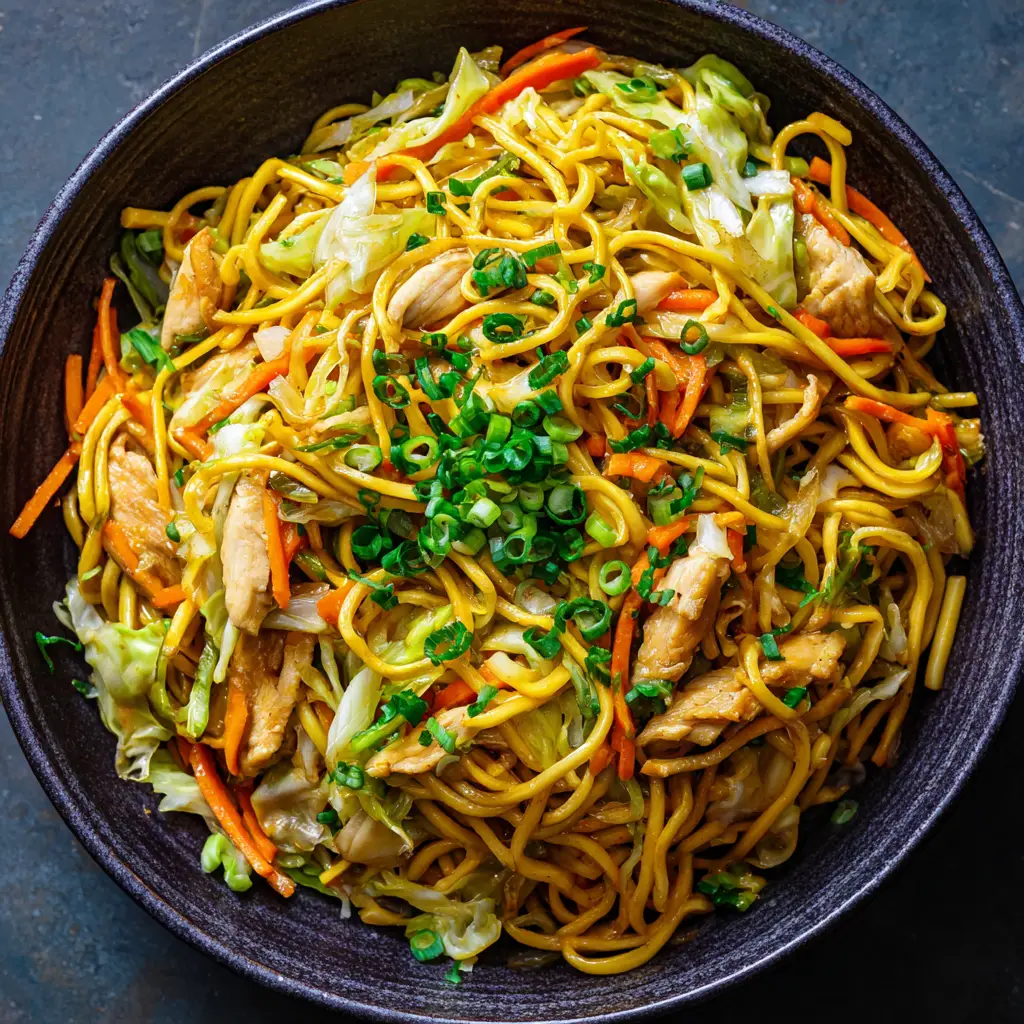
For the Noodles
- Chow Mein Noodles: Look for fresh (refrigerated) or dried steamed chow mein noodles. If you can’t find them, you can substitute with spaghetti or ramen noodles (discard the seasoning packet).
For the Protein
- Chicken: Boneless, skinless chicken breast or thighs, thinly sliced. You can also use ground chicken.
For the Vegetables
- Aromatics: Garlic and ginger are the essential flavor base.
- Classic Stir-Fry Veggies: We’re using carrots, celery, cabbage, and bean sprouts for that classic texture and crunch.
- Garnish: Green onions add a fresh, sharp finish.
For the Perfect Chow Mein Sauce
This sauce is the secret to a truly delicious dish. It’s a simple combination of savory and slightly sweet flavors.
- Soy Sauce: The savory, salty backbone of the sauce. Use low-sodium to control the salt level.
- Oyster Sauce: Adds a deep, rich, umami flavor.
- Sesame Oil: Toasted sesame oil provides a nutty, aromatic finish.
- Cornstarch: Helps to slightly thicken the sauce so it coats the noodles perfectly.
- Sugar: Just a touch to balance the saltiness of the soy sauce.
How to Make The Best Chow Mein Recipe: A Step-by-Step Guide
Making this Chow Mein Recipe is all about preparation and timing. Have all your ingredients chopped and ready to go before you start cooking.
- Prepare the Noodles: Cook the noodles according to package directions, but slightly undercook them (by about 1 minute). They will finish cooking in the pan. Drain them well and rinse with cold water to stop the cooking process.
- Mix the Sauce: In a small bowl, whisk together the soy sauce, oyster sauce, sesame oil, cornstarch, and sugar. Set aside.
- Cook the Chicken: Heat a large wok or skillet over high heat with a tablespoon of oil. Add the sliced chicken and cook until golden brown and cooked through. Remove the chicken from the wok and set it aside.
- Sauté the Aromatics and Veggies: Add another tablespoon of oil to the wok. Add the minced garlic and ginger and stir-fry for 30 seconds until fragrant. Add the carrots, celery, and cabbage. Stir-fry for 3-4 minutes until the vegetables are crisp-tender.
- Combine Everything: Return the cooked chicken to the wok. Add the drained noodles and the prepared sauce. Use tongs to toss everything together continuously for 2-3 minutes, ensuring the noodles are well-coated and heated through.
- Finish and Serve: Turn off the heat. Fold in the bean sprouts and sliced green onions. The residual heat will wilt them slightly while keeping them crisp. Serve immediately. For a lighter meal, you can serve it alongside some healthy sauteed vegetables.
Pro Tips for Restaurant-Quality Chow Mein
- Don’t Overcrowd the Pan: Use a large wok or skillet to give your ingredients enough space. Overcrowding will steam the vegetables instead of stir-frying them, resulting in a soggy dish. If needed, cook in batches.
- High Heat is Key: A high temperature is crucial for getting that classic “wok hei” flavor and ensuring your veggies stay crisp.
- Mise en Place: This French term means “everything in its place.” Because stir-frying is so fast, you won’t have time to chop vegetables or mix the sauce once you start. Prepare everything before you turn on the stove. If you enjoy this cooking style, you might also like our quick Thai Basil Beef Rolls.
Delicious Chow Mein Variations
One of the best things about this Chow Mein Recipe is its versatility.
Beef Chow Mein
Use thinly sliced flank steak or sirloin instead of chicken. Marinate the beef in a tablespoon of soy sauce for 15 minutes before cooking for extra flavor.
Shrimp Chow Mein
Use large, peeled and deveined shrimp. Add them during the last 2-3 minutes of cooking the vegetables, as they cook very quickly.
Vegetable Chow Mein
For a vegetarian option, simply omit the protein and double the vegetables. Add mushrooms, bell peppers, broccoli florets, or snow peas for more variety.
Storing and Reheating Leftovers
Store leftover chow mein in an airtight container in the refrigerator for up to 3 days. To reheat, stir-fry it in a lightly oiled skillet over medium-high heat until warmed through. You can also microwave it, but the skillet method helps revive the texture of the noodles.
Frequently Asked Questions About Chow Mein
Yes, you can make this recipe gluten-free. Use gluten-free spaghetti or rice noodles as a substitute for wheat noodles. You will also need to replace the soy sauce and oyster sauce with gluten-free tamari and a gluten-free oyster sauce alternative.
For crispier noodles, make sure they are very dry before adding them to the hot pan. After boiling, drain them well and let them air dry. Frying them in a hot wok or skillet with enough oil without overcrowding the pan will help them crisp up nicely.
The primary difference lies in how the noodles are prepared. In chow mein, the noodles are stir-fried, often to a crispy texture. In lo mein, cooked noodles are simply tossed with the sauce and other ingredients, resulting in a softer, saucier dish.
The best noodles are specifically labeled ‘chow mein noodles,’ which can be found fresh or dried. They are made from wheat flour and eggs and are designed to fry well. If you can’t find them, you can substitute with thin spaghetti, linguine, or even ramen noodles (without the seasoning packet).
Chow mein is incredibly versatile! You can add many other vegetables based on your preference. Great additions include broccoli florets, sliced bell peppers, mushrooms, snow peas, bok choy, and water chestnuts. Add heartier vegetables like broccoli earlier and delicate ones like snow peas towards the end.
Get the Full, Printable Chow Mein Recipe
Chow Mein Recipe (Better Than Takeout!)
Ingredients
Equipment
Method
- Cook the chow mein noodles according to package directions, undercooking by 1 minute. Drain well and rinse with cold water to prevent sticking and stop the cooking process.
- In a small bowl, whisk together all sauce ingredients: low-sodium soy sauce, oyster sauce, toasted sesame oil, sugar, and cornstarch. Set aside.
- Heat 1 tbsp of oil in a large wok or skillet over high heat. Add the thinly sliced chicken and cook until golden brown and cooked through, about 4-5 minutes. Remove from the wok and set aside.
- Add the remaining 1 tbsp of oil to the hot wok. Add the minced garlic and grated ginger and stir-fry for 30 seconds until fragrant.
- Add the julienned carrots, sliced celery, and shredded cabbage to the wok. Stir-fry for 3-4 minutes until the vegetables are crisp-tender.
- Return the cooked chicken to the wok. Add the drained noodles and pour the sauce over everything.
- Use tongs to toss everything together continuously for 2-3 minutes, until the noodles are heated through and evenly coated with the sauce.
- Turn off the heat. Add the fresh bean sprouts and sliced green onions, tossing to combine. The residual heat will gently wilt them. Serve immediately.
Notes
High Heat: Don't be afraid to turn up the heat. A hot wok is essential for getting the right texture on the vegetables and noodles.
Noodle Prep: Rinsing the noodles with cold water after boiling is a crucial step to stop them from overcooking and becoming mushy.
Share Your Creations!
We are so excited for you to try this amazing Chow Mein Recipe! It’s a game-changer for weeknight dinners and a guaranteed family favorite. If you make this dish, we’d love to see it! Leave a comment below or share a photo on Pinterest and tag us. Your feedback helps us and inspires other home cooks!