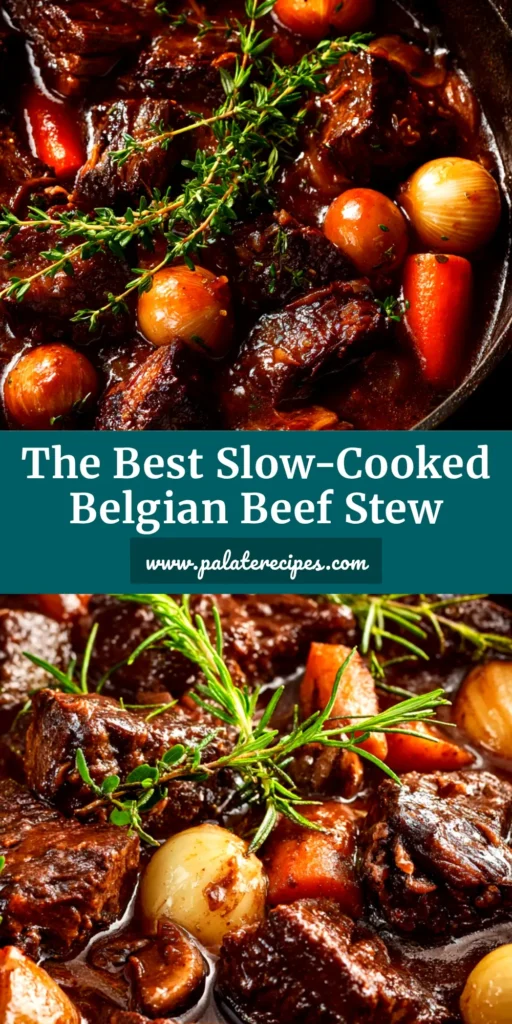
There are few dishes as comforting and deeply flavorful as a traditional Belgian Beef Stew. Known as Carbonnade Flamande or stoofvlees, this recipe transforms simple ingredients into a rich, savory, and slightly sweet masterpiece that will warm you from the inside out. Forget thin, bland stews; this is a robust meal, slow-simmered to perfection with the magic of dark Belgian beer and a secret ingredient that adds incredible depth. It’s the perfect centerpiece for a family dinner or a cozy weekend meal.
Whether you’re new to this classic dish or looking for a recipe that guarantees authentic flavor, you’ve come to the right place. We’re breaking down every step to make it simple, from choosing the right cut of beef to achieving that perfect, velvety sauce.
What Makes This Belgian Beef Stew So Special?
At its heart, a Belgian Beef Stew is a tale of perfectly balanced flavors. Unlike French stews that often rely on red wine, this one builds its foundation on the rich, malty notes of Belgian dark beer. This creates a sauce that’s both savory and subtly sweet. The addition of tangy Dijon mustard and the traditional slice of gingerbread (or pain d’épices) for thickening and spice are what truly set this dish apart, creating a complex flavor profile you won’t find anywhere else.
Key Ingredients for Authentic Flavor
The quality of your stew comes down to the quality of your ingredients. While the list isn’t long, each component plays a crucial role in building the final flavor.
The Best Beef for Stew
For a truly tender stew, you need a cut of beef with plenty of collagen and connective tissue that will break down during the long, slow cooking process. Look for beef chuck, shoulder, or brisket. These tougher cuts become incredibly succulent and flavorful after a few hours of simmering. Cut the beef into generous 1.5 to 2-inch cubes to ensure they don’t fall apart.
Choosing the Right Belgian Beer
The beer is the soul of this recipe. You must avoid anything too hoppy or bitter, as that bitterness will concentrate as the stew cooks. A Belgian Dubbel (like Chimay Blue or Rochefort 6) is a classic choice, offering dark fruit and caramel notes. A simple brown ale can also work well. The goal is a malty, slightly sweet beer that complements the beef.
The Secret Ingredient: Gingerbread (Pain d’Épices)
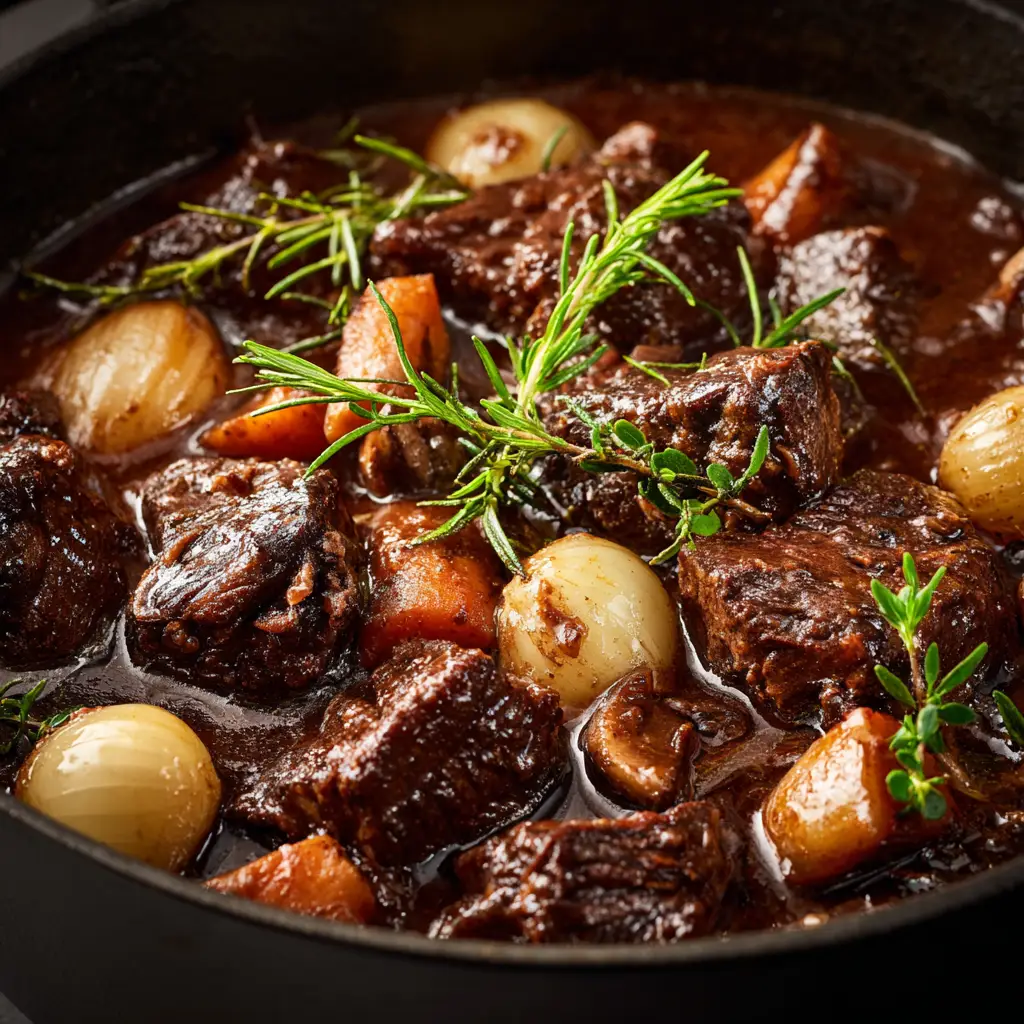
This might sound unusual, but it’s a traditional and brilliant trick. A slice of gingerbread, spread with sharp mustard, is placed on top of the stew to melt into the sauce as it simmers. The bread helps to thicken the stew naturally, while its warm spices—like cinnamon, nutmeg, and cloves—add a subtle, warming complexity that is signature to an authentic Belgian Beef Stew.
How to Make The Perfect Belgian Beef Stew
This recipe is all about patience and allowing the flavors to meld. Don’t rush the process, and you’ll be rewarded with a spectacular meal.
- Sear the Beef: Pat your beef cubes completely dry and season them generously with salt and pepper. Working in batches, sear the beef in a hot Dutch oven with a little oil until all sides are deeply browned. This step is critical for developing flavor. Don’t overcrowd the pan! Set the browned beef aside.
- Sauté the Aromatics: In the same pot, lower the heat and add your sliced onions. Cook them slowly, stirring occasionally, for 15-20 minutes until they are soft, sweet, and deeply caramelized. Add the garlic and cook for another minute until fragrant.
- Deglaze and Build the Sauce: Pour in the Belgian beer to deglaze the pot, scraping up all the browned bits from the bottom. Bring to a simmer and let it cook for a few minutes. Stir in the beef broth, beef stock, fresh thyme, and bay leaves.
- Simmer to Perfection: Return the seared beef to the pot. Spread a thick layer of Dijon mustard on your slice of gingerbread and place it, mustard-side down, on top of the stew. Bring the mixture to a gentle simmer, then reduce the heat to low, cover, and let it cook for at least 2.5 to 3 hours, or until the beef is fork-tender.
Expert Tips for the Best Stew
- Don’t Skip the Sear: Properly browning the beef creates the Maillard reaction, which is the foundation of the stew’s deep, savory flavor. It’s a step worth the time.
- Low and Slow is Key: The magic of this dish happens over a long, slow simmer. Rushing the cooking time will result in tougher meat and a less developed sauce. Your patience will be rewarded.
- Better the Next Day: Like many stews, the flavor of this Belgian Beef Stew deepens and improves overnight. If you have the time, make it a day ahead and simply reheat it to serve. Looking for another make-ahead dish? Try these delicious creamy sausage tortellini for an easy weeknight meal.
What to Serve with Your Stew
This rich stew is traditionally served with thick, crispy Belgian fries (frites) for soaking up the delicious gravy. It’s also fantastic over creamy mashed potatoes, buttery egg noodles, or even with a side of crusty bread. For a lighter pairing, a simple green salad with a vinaigrette works wonderfully. For dessert, something light like simple baked pears would be a perfect finish.
Storing and Reheating Instructions
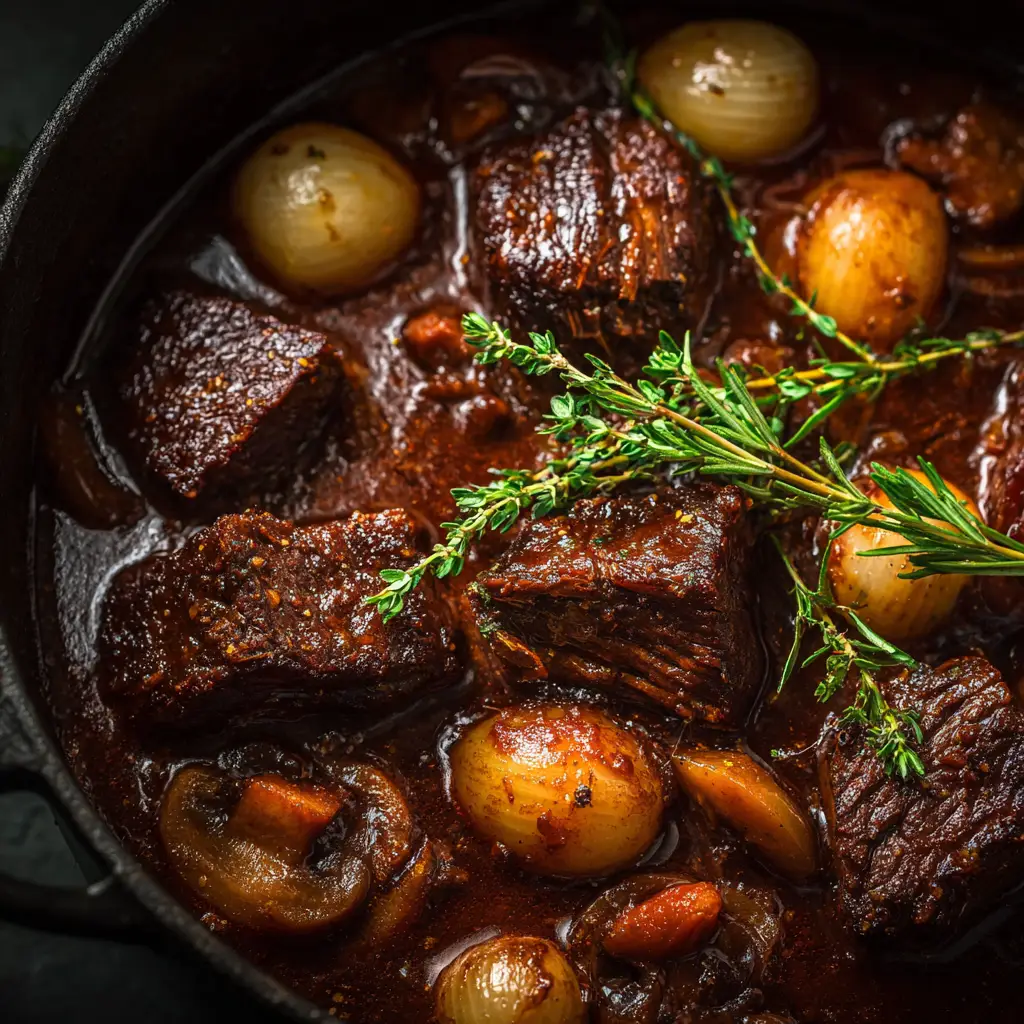
This Belgian Beef Stew stores beautifully. Allow it to cool completely before transferring it to an airtight container. It will keep in the refrigerator for up to 4 days or in the freezer for up to 3 months. To reheat, gently warm it on the stovetop over low heat until hot. If the sauce has become too thick, you can add a small splash of beef broth to reach your desired consistency. This dish is perfect for batch cooking, much like a versatile Italian spaghetti sauce.
Frequently Asked Questions
Yes, absolutely. Follow the steps for searing the beef and sautéing the aromatics on the stovetop first, as this builds essential flavor. Then, transfer everything to your slow cooker and cook on low for 6-8 hours or on high for 4-5 hours, until the beef is tender.
This recipe uses a traditional slice of gingerbread which naturally thickens the stew as it dissolves. The flour used to coat the beef also acts as a thickener. If your stew is still thinner than you’d like, you can simmer it uncovered for the last 20-30 minutes to allow the sauce to reduce.
If you can’t find gingerbread (pain d’épices), you can create a similar effect. Mix 1 tablespoon of brown sugar with a pinch of cinnamon and nutmeg, and add it to the stew. To thicken, make a slurry with 1 tablespoon of cornstarch and 2 tablespoons of cold water and stir it in at the end of cooking.
The main difference is the cooking liquid. Beef Bourguignon is a French stew made with red wine (specifically Burgundy), while Belgian Beef Stew (Carbonnade Flamande) is made with dark beer. This gives each stew a distinct flavor profile—one is wine-based and savory, the other is beer-based with malty, slightly sweet notes.
The best beer is a dark, malty Belgian ale like a Dubbel or a brown ale. These beers add a slightly sweet, rich flavor without the overpowering bitterness of an IPA. Avoid very hoppy beers, as the bitterness will concentrate during cooking.
The Ultimate Belgian Beef Stew Recipe
Belgian Beef Stew (Carbonnade Flamande): A Rich & Hearty Recipe
Ingredients
Equipment
Method
- Pat the beef cubes dry with paper towels. In a bowl, toss the beef with flour, salt, and pepper until evenly coated.
- In a large Dutch oven, heat the vegetable oil over medium-high heat. Working in batches to avoid overcrowding, sear the beef on all sides until deeply browned. Transfer the browned beef to a separate plate.
- Reduce the heat to medium-low and add the sliced onions to the pot. Cook slowly, stirring occasionally, for 15-20 minutes, until they are soft and caramelized.
- Add the minced garlic and cook for another minute until fragrant.
- Pour in the Belgian beer to deglaze the pot, using a wooden spoon to scrape up any browned bits stuck to the bottom. Bring to a simmer.
- Stir in the beef broth, brown sugar, apple cider vinegar, fresh thyme, and bay leaves.
- Return the seared beef and any accumulated juices to the pot. Spread the Dijon mustard over the slice of gingerbread and place it mustard-side down on top of the stew.
- Bring the stew to a gentle simmer, then reduce the heat to low, cover the pot, and let it cook for 2.5 to 3 hours, or until the beef is fork-tender. Stir occasionally to prevent sticking.
- Remove the thyme sprigs and bay leaves before serving. Taste and adjust seasoning with salt and pepper if needed. The sauce should be rich and slightly thickened.
Notes
Serve hot with french fries, mashed potatoes, or egg noodles.
Share Your Creation!
We are confident this will become one of your favorite comfort food recipes. There’s nothing better than sharing a delicious meal with people you love. If you make this Belgian Beef Stew, we’d love to see it! Please leave a comment below or share a photo on Pinterest. Your feedback helps us and inspires other home cooks!