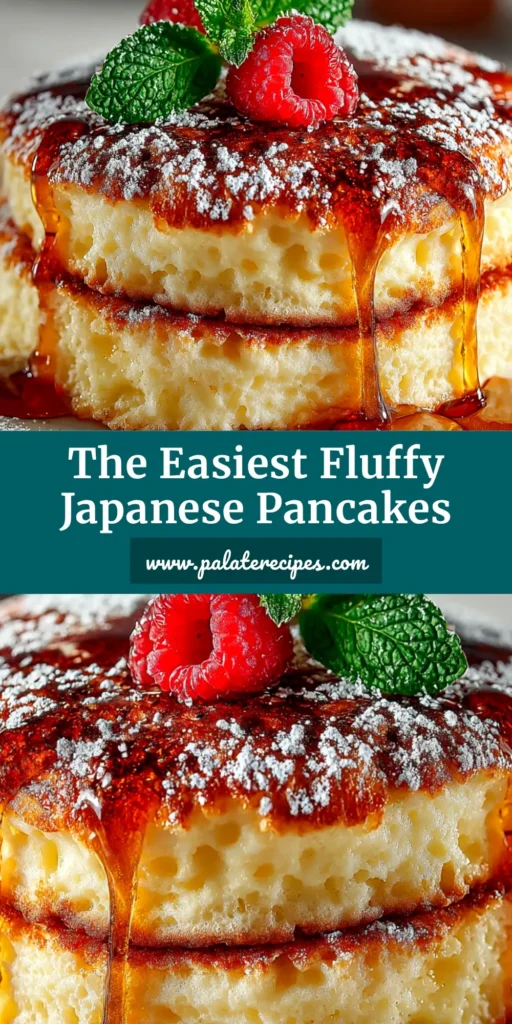
Ever dreamed of creating those impossibly tall, cloud-like Japanese Pancakes you’ve seen all over social media? You’ve found the right place. This is the ultimate, foolproof guide to making the fluffiest, most delicate soufflé pancakes right in your own kitchen. Forget flat, dense imitations; we’re diving deep into the techniques that guarantee a perfect, jiggly stack every time.
This recipe demystifies the process, focusing on the critical steps—like mastering the meringue—to ensure your pancakes rise to incredible heights. Get ready to impress everyone with a breakfast that looks like it came straight from a specialty café in Tokyo.
What Makes Japanese Pancakes So Fluffy?
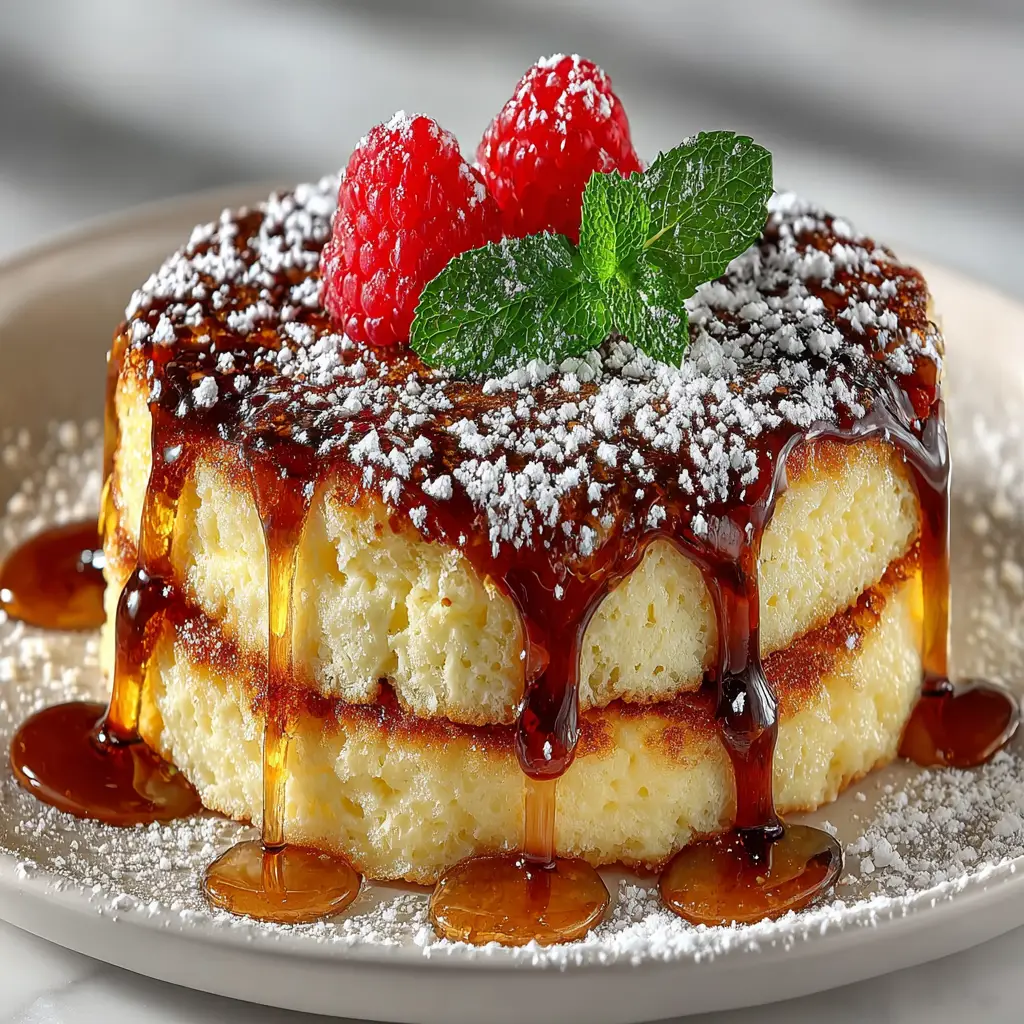
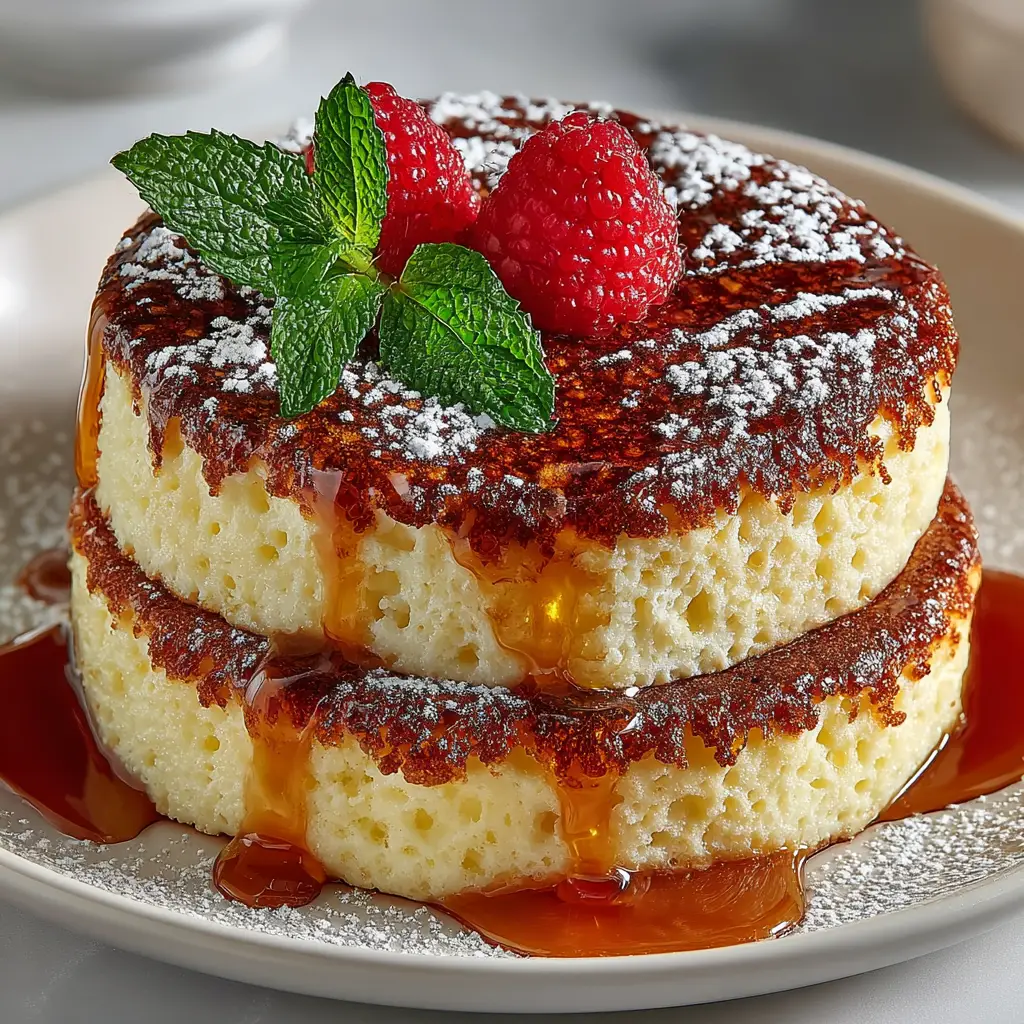
The magic of Japanese Pancakes lies in two key elements: meringue and steam. Unlike their flatter American cousins, these pancakes incorporate a Swiss or French meringue (whipped egg whites and sugar) directly into the batter. This meringue creates a web of tiny air bubbles that provide the initial lift and airy structure.
When you cook the pancakes in a covered pan, you trap steam. This steam works alongside the meringue, pushing the batter upwards and cooking the delicate, egg-rich interior into a soufflé-like texture. It’s a brilliant combination of baking science and culinary technique.
Essential Ingredients for Success
While the ingredient list is simple, the quality and type of each component matter. Using the right ingredients is the first step toward achieving pancake perfection.
- Cake Flour: This is non-negotiable for the most tender crumb. Cake flour has a lower protein content than all-purpose flour, resulting in a finer, more delicate texture.
- Eggs: You’ll need to separate them. The yolks add richness and flavor, while the whites are the foundation of your lifting meringue.
- Sugar: Granulated sugar works perfectly. It sweetens the pancake and, more importantly, stabilizes the egg whites in the meringue.
- Milk: Whole milk provides the necessary fat and moisture for a rich flavor.
- Baking Powder: This gives the pancakes an extra chemical lift, working alongside the meringue.
- Vanilla Extract: For a touch of aromatic sweetness that complements the egg-forward flavor.
- Cream of Tartar: A secret weapon for a super-stable meringue. Just a pinch helps the egg whites hold their shape and prevents them from collapsing.
The Right Tools for the Job: Equipment Guide
You don’t need a professional kitchen, but a few specific tools will make the process much smoother and yield better results for your Japanese Pancakes.
The most important tool is a large non-stick skillet with a tight-fitting lid. A heavy-bottomed pan will distribute heat evenly, preventing the bottoms from burning before the centers are cooked. For perfectly round and tall pancakes, English muffin rings or specialty pancake molds are highly recommended. If you don’t have any, you can create your own using parchment paper and paperclips.
How to Make Japanese Pancakes: A Step-by-Step Guide
This process is divided into two main stages: creating the batter and yolk base, then folding in the meringue before cooking. Pay close attention to the meringue technique—it’s the heart of this recipe.
Part 1: Preparing the Yolk Base
First, ensure your ingredients are measured and ready. In a medium bowl, whisk together the egg yolks, a tablespoon of sugar, and the milk until smooth and pale. In a separate, larger bowl, sift the cake flour and baking powder together. Sifting is crucial to prevent lumps and create an airy final product. Pour the wet yolk mixture into the dry ingredients and whisk gently until just combined. Be careful not to overmix; a few small lumps are perfectly fine.
Part 2: Mastering the Meringue
This is where the magic happens. In a spotlessly clean, dry bowl (any grease will ruin the meringue), combine the egg whites and cream of tartar. Using an electric hand mixer or a stand mixer, beat on medium speed until the whites become frothy. Gradually add the remaining sugar while mixing, then increase the speed to high. Continue beating until the meringue reaches soft peaks—this means when you lift the beaters, a peak will form and then gently curl over. This texture is strong enough to provide lift but soft enough to fold easily without deflating the batter.
Part 3: Combining and Cooking
Gently fold one-third of the meringue into the yolk base to lighten it. Then, add the remaining meringue and fold carefully with a spatula until no white streaks remain. The goal is to keep as much air in the batter as possible.
Preheat your non-stick skillet over the lowest possible heat. Lightly grease the pan and your ring molds. Place the molds in the pan and fill them about three-quarters full with batter. Cover the pan with a lid and cook for 9-12 minutes. Add a teaspoon of water to the pan away from the pancakes before covering to create steam. Once the tops are set, carefully flip the pancakes, cover again, and cook for another 5-6 minutes until golden brown and cooked through.
Expert Tips for Pancake Perfection
Follow these tips to troubleshoot and perfect your technique.
- Low and Slow is Key: The biggest mistake is cooking these pancakes on high heat. Use the lowest heat setting on your stove to prevent burning and allow the centers to cook through.
- Don’t Skip the Sifting: Sifting the dry ingredients is essential for a smooth batter and a light, fluffy texture.
- A Clean Bowl is Crucial: Any trace of fat or yolk in your egg white bowl will prevent the meringue from whipping up properly.
- Fold, Don’t Stir: When combining the meringue and batter, use a gentle folding motion to preserve the air bubbles you worked so hard to create.
Troubleshooting Common Pancake Problems
Sometimes things don’t go as planned. Here’s how to fix common issues.
- Pancakes are flat: This is usually due to an under-whipped or over-mixed meringue. Ensure you beat the egg whites to soft, stable peaks and fold gently.
- Pancakes are burnt outside but raw inside: Your heat is too high. Turn the stove down to the lowest setting and be patient.
- Pancakes stick to the molds: Make sure to grease your ring molds thoroughly with butter or a neutral oil before adding the batter.
Creative Toppings and Serving Suggestions
While classic butter and maple syrup are delicious, these Japanese Pancakes are a canvas for creativity. Try serving them with a dusting of powdered sugar, a dollop of fresh whipped cream, and seasonal berries. For a truly decadent experience, a drizzle of chocolate sauce or a scoop of vanilla ice cream is fantastic. If you’re looking for other dessert ideas, why not try these amazing crème brûlée cookies?
Storing and Reheating
Japanese pancakes are best enjoyed immediately while they are warm and airy. If you have leftovers, you can store them in an airtight container in the refrigerator for up to two days. To reheat, place them on a microwave-safe plate and heat for 20-30 seconds. Note that they will lose some of their signature height and fluffiness upon reheating.
Ready for More Breakfast Delights?
If this recipe has inspired you to elevate your breakfast game, you’re in the right place. For another fun twist on a classic, try these easy sheet pan pancakes for a crowd. Or, for a savory option, these sausage and cinnamon roll-ups are always a huge hit. We love seeing your creations, so please share them on Pinterest!
Unfortunately, no. The meringue is the key to their fluffiness, and it will begin to deflate shortly after being made. The batter should be cooked immediately after it’s mixed for the best results.
You can create your own molds! Cut strips of parchment paper about 2 inches wide and long enough to form a 3-inch diameter circle. Secure the ends with a paperclip or staple. Grease them well before pouring in the batter.
They are best served fresh and warm. Popular toppings include a simple dusting of powdered sugar, a pat of butter, maple syrup, fresh berries, and a dollop of freshly whipped cream.
The main difference is the use of a meringue. Japanese pancakes have whipped egg whites folded into the batter, which, along with steam from cooking in a covered pan, gives them their signature tall, airy, soufflé-like texture. Regular American pancakes are denser and rely only on chemical leaveners like baking powder.
Pancakes typically deflate for two reasons: the meringue was not stable enough, or the batter was overmixed. To prevent this, whip your egg whites to stable soft peaks and use a gentle folding motion to combine the batter, preserving as much air as possible.
Unfortunately, no. The meringue is the key to their fluffiness, and it will begin to deflate shortly after being made. The batter should be cooked immediately after it’s mixed for the best results.
You can create your own molds! Cut strips of parchment paper about 2 inches wide and long enough to form a 3-inch diameter circle. Secure the ends with a paperclip or staple. Grease them well before pouring in the batter.
They are best served fresh and warm. Popular toppings include a simple dusting of powdered sugar, a pat of butter, maple syrup, fresh berries, and a dollop of freshly whipped cream.
The main difference is the use of a meringue. Japanese pancakes have whipped egg whites folded into the batter, which, along with steam from cooking in a covered pan, gives them their signature tall, airy, soufflé-like texture. Regular American pancakes are denser and rely only on chemical leaveners like baking powder.
Pancakes typically deflate for two reasons: the meringue was not stable enough, or the batter was overmixed. To prevent this, whip your egg whites to stable soft peaks and use a gentle folding motion to combine the batter, preserving as much air as possible.
Japanese Pancakes Recipe
Japanese Pancakes: The Ultimate Guide to Fluffy Soufflé Perfection
Ingredients
Equipment
Method
- In a medium bowl, whisk the egg yolks and 1 tablespoon of the sugar until pale. Stir in the milk and vanilla extract. In a separate large bowl, sift together the cake flour and baking powder. Pour the yolk mixture into the flour mixture and whisk gently until just combined. Do not overmix.
- In a large, clean, dry bowl, beat the egg whites and cream of tartar with an electric mixer on medium speed until frothy. Gradually add the remaining sugar and increase the speed to high. Beat until soft peaks form—the peaks should hold their shape but curl slightly at the tip.
- Gently fold about one-third of the meringue into the yolk mixture to lighten it. Add the rest of the meringue and continue to fold gently with a spatula until no white streaks remain, being careful not to deflate the batter.
- Heat a large non-stick skillet over the lowest possible heat. Lightly grease the pan and the inside of your ring molds. Place the molds onto the skillet and fill each about 3/4 full with batter. Add 1 teaspoon of water to an empty part of the pan to create steam.
- Cover the skillet with a lid and cook for 9-12 minutes, or until the top is set and bubbles have appeared. Carefully remove the lid, slide a spatula under each pancake, and gently flip. Cover again and cook for another 5-6 minutes until golden and cooked through.
- Carefully remove the pancakes from the molds and serve immediately with your favorite toppings.
Notes
Ensure your mixing bowl for the meringue is completely clean and free of any grease.
Cook on the absolute lowest heat setting for even cooking without burning.